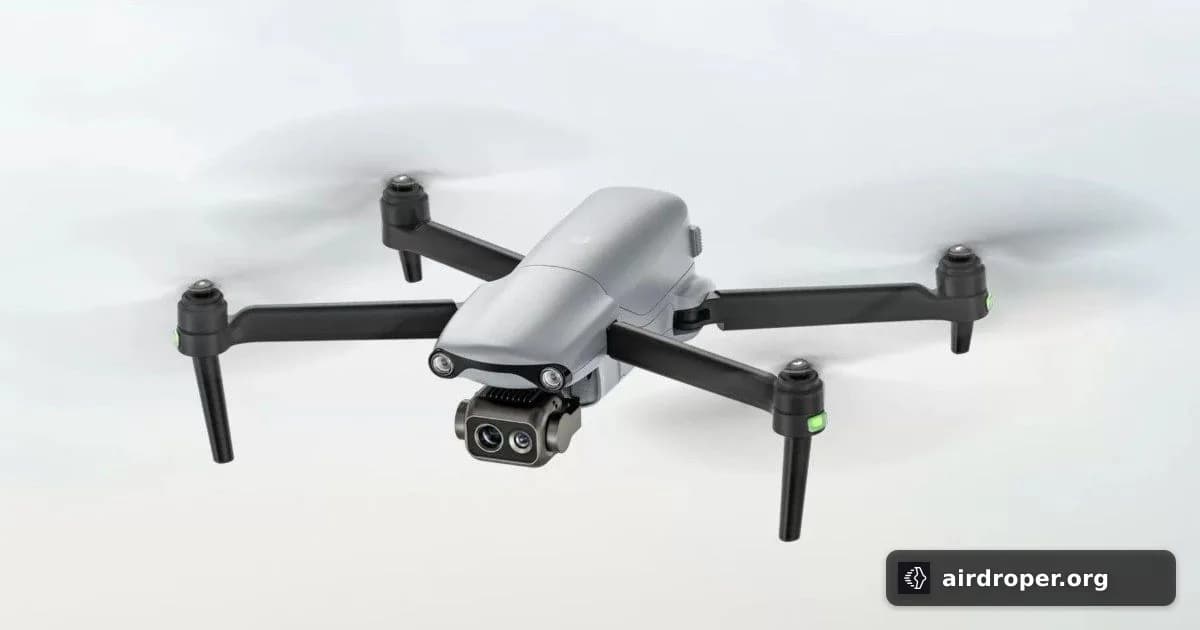
DJI Lito Skips the US Market: What It Means for Drone Buyers
DJI Launches Lito — But Not for America
DJI has unveiled its new Lito drone series, aimed squarely at the entry-level market. The lineup brings 4K cameras, obstacle avoidance, and beginner-friendly controls — features that make consumer drones genuinely accessible to a broader audience.
However, US buyers are being left out. Ongoing regulatory uncertainty surrounding DJI's status in America — particularly issues tied to FCC approvals — means the Lito series is launching in international markets while the US market remains on hold.
Regulation as a Market Force
The DJI situation in the US is not an isolated event. It reflects a broader pattern of increasing scrutiny applied to Chinese drone manufacturers operating in American airspace and retail channels. This affects both government procurement and consumer sales.
For drone hardware manufacturers and component suppliers, the takeaway is clear: market diversification is no longer optional. Companies tightly tied to a single geography face real exposure when regulatory winds shift.
Discounts Fill the Gap
There is one notable side effect worth tracking. DJI models already approved for sale in the US are now seeing significant price reductions — some reportedly exceeding 30%. Retailers are moving existing inventory as uncertainty grows around future product availability.
Outside the US, where consumers have access to the full DJI lineup including Lito, these discounts may be less relevant. But the dynamic illustrates how regulatory pressure translates directly into pricing behavior across the supply chain.
What This Signals for the Industry
The DJI Lito story carries a few practical lessons for anyone operating in the UAV space:
- Regulatory environments shift — sometimes faster than product roadmaps
- Geographic diversification reduces dependence on any single approval body
- Local manufacturers gain strategic ground when foreign competitors face access restrictions
For autopilot and flight controller developers in particular, this is a reminder that local certification compliance and supply chain independence are becoming genuine competitive advantages — not just compliance checkboxes.
Related Posts
Comments
Sign in to leave a comment