
DJI Launches Next-Gen Agras Agriculture Drones
DJI broadens its Agras lineup
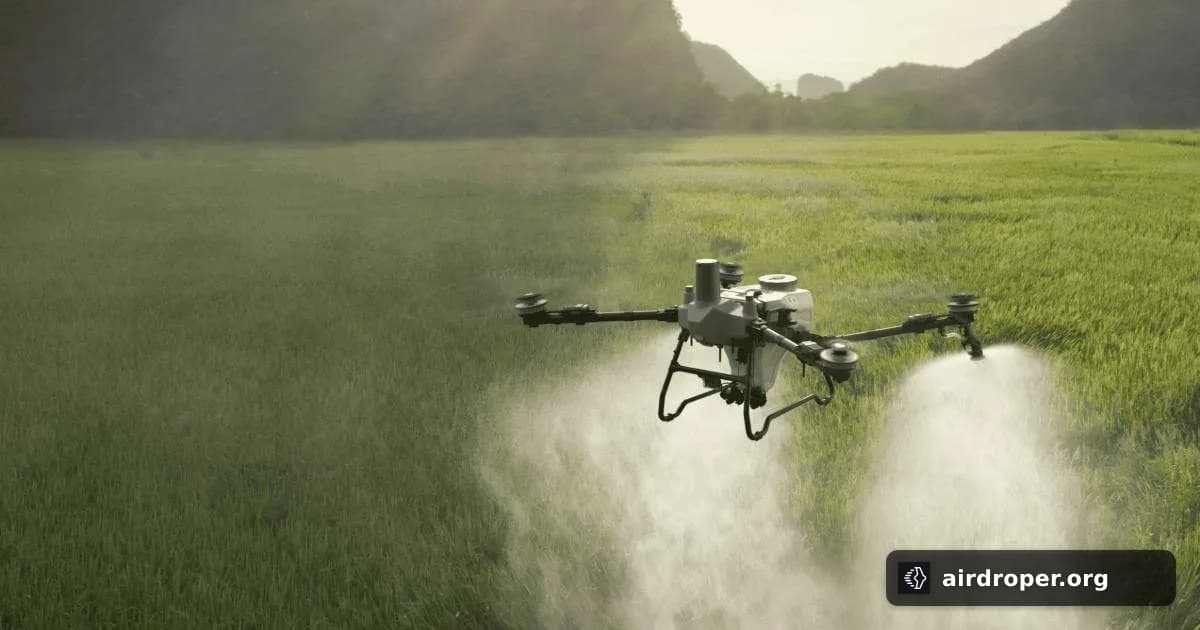
DJI has unveiled two new precision-agriculture drones for global markets: the Agras T55 and the Agras T100 Dual Battery Spraying System. The company says the aircraft are intended for a wide range of use cases, from orchards and smaller farms to large field operations.
Built on years of agricultural R&D
The launch extends a product line shaped by more than a decade of DJI Agriculture research. The emphasis is not only on payload and coverage, but also on making everyday farm work more efficient and safer.
The new drones are designed to support three core tasks:
- aerial spraying;
- spreading agricultural materials;
- lifting and transport operations.
That mix matters because modern farm aviation is no longer just about applying inputs from the air. It is increasingly about handling multiple workflows with one platform, while keeping operations predictable and controlled.
Different tools for different farms
DJI is clearly targeting two ends of the agriculture spectrum. Smaller and more complex environments, such as orchards, need aircraft that can work in tighter spaces and adapt to irregular layouts. Larger farms, by contrast, need systems that can cover more ground and keep pace with demanding schedules.
The T100’s dual-battery spraying system signals a focus on sustained operations and fast turnaround between working cycles. That makes it more suitable for users who need consistency across longer spraying sessions.
Why this launch matters
Agricultural drones have moved well beyond the novelty stage. The market is now defined by specialization: platforms are expected to fit specific farm workflows, not just fly and spray.
DJI’s latest Agras models reinforce that trend. By expanding the lineup with aircraft aimed at different scales of operation, the company is continuing to position drones as practical tools for precision agriculture rather than experimental equipment.
For operators, the key question is no longer whether drones belong in agriculture, but which configuration best matches the job at hand.
Related Posts


Comments
Sign in to leave a comment