24 Hours Aloft: What a 3 kg Electric UAV Changes
A small electric UAV that stayed up for a full day
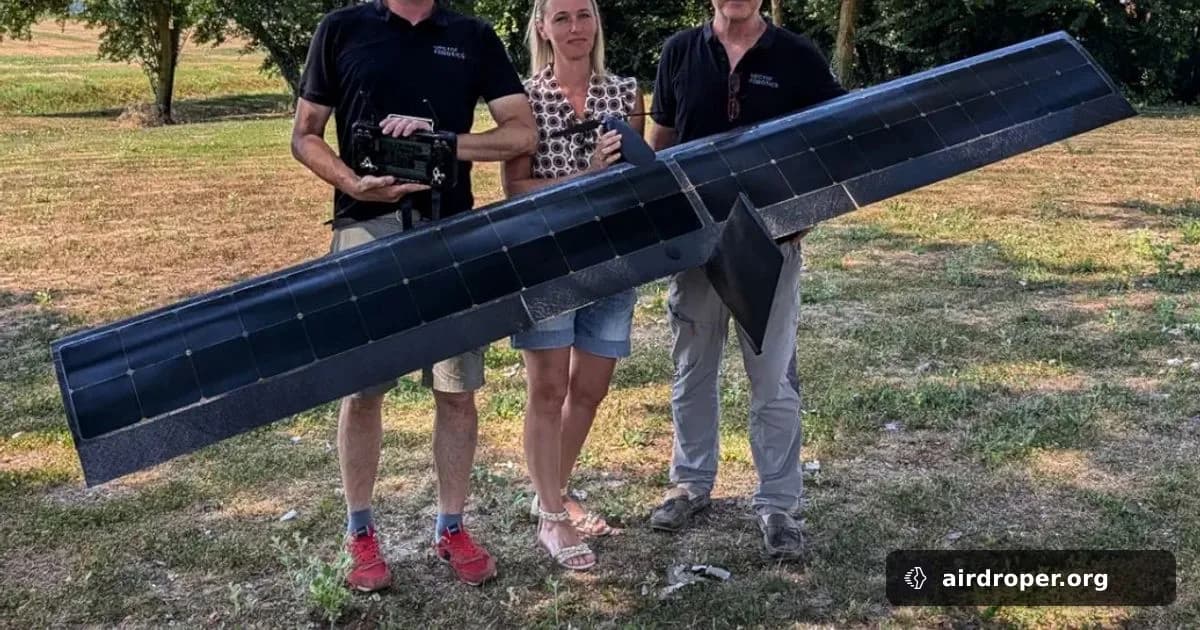
Vector Robotics has demonstrated a 24-hour, 5-minute continuous flight with a 3.1 kg electric drone. The result matters not because it is dramatic, but because it challenges a long-standing assumption in UAV operations: persistent airborne coverage has usually been associated with large, noisy, fuel-powered aircraft.
Why endurance changes the mission profile
For many aerial tasks, the key requirement is not speed or payload size, but time on station. A drone that can remain aloft for a full day without landing can support operations that benefit from continuous presence, including:
- wildfire prevention and early detection;
- environmental monitoring over broad areas;
- long-duration patrols with fewer handoffs;
- low-noise missions where acoustic footprint matters.
That is why this type of flight test is important: it shows that silent, persistent observation can be delivered by a compact electric platform rather than only by heavy systems.
What this milestone suggests
The flight points to several shifts in UAV design and deployment. First, electric propulsion is no longer limited to short, tactical missions. Second, small airframes are increasingly able to support endurance-focused roles. Third, real-world testing remains the strongest proof of readiness, because it reflects actual mission conditions rather than idealized lab performance.
For operators, the implication is practical. If a lightweight UAV can stay airborne for more than 24 hours, mission planning, energy management, and sensor integration all become part of a new design conversation. Endurance is no longer just a feature of large platforms.
The broader takeaway
This does not mean every mission can be solved by a small electric drone. But it does show where the industry is heading: toward quieter, more efficient aircraft that can take on longer assignments with less logistical overhead.
In that sense, Vector Robotics’ flight is more than a record. It is a marker for a new class of lightweight UAVs, where persistence becomes a core capability rather than an exception.
Related Posts
Comments
Sign in to leave a comment