
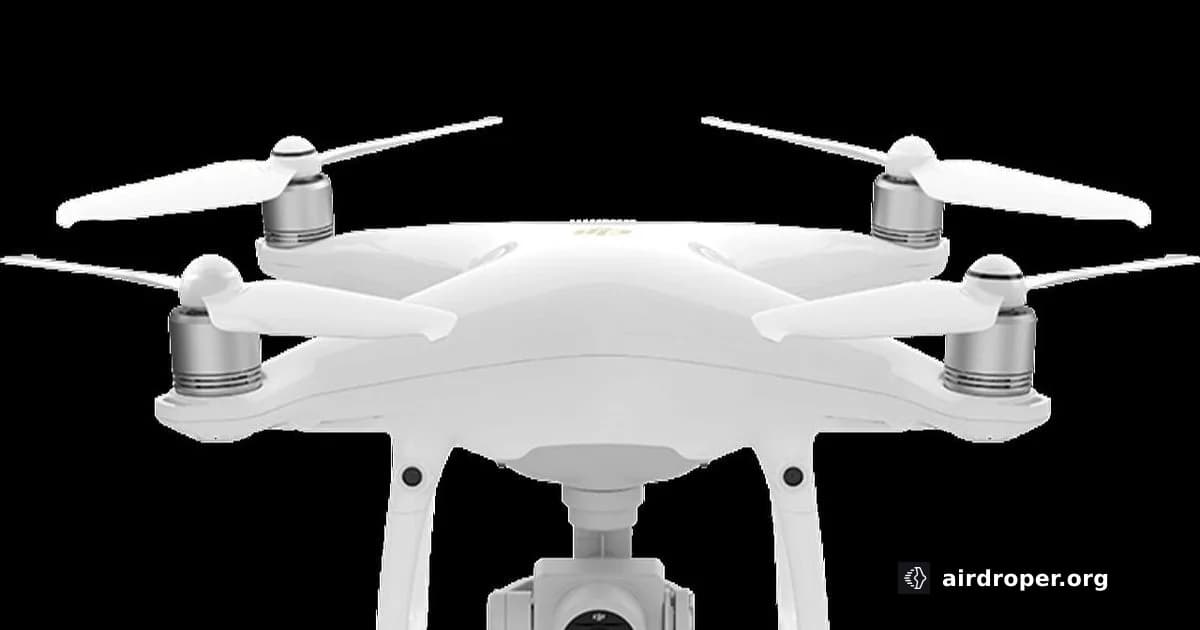
DJI Phantom 4 Pro V2.0 Heads Toward Retirement
A milestone drone reaches the end of its road
Before compact camera drones became the default choice for many pilots, DJI’s Phantom line helped bring serious aerial photography to a much wider audience. The Phantom 4 Pro V2.0 stood out in that era as one of the series’ most capable aircraft, and it is now moving toward retirement.
Why this model mattered
The Phantom 4 Pro V2.0 earned attention because it combined features that were especially valuable for image-focused flying:
- a 1-inch sensor for stronger image quality and detail;
- a mechanical shutter to reduce distortion during motion;
- 4K/60fps video for smoother high-frame-rate capture.
That mix made it a practical tool for users who needed more than a consumer drone — they needed a stable platform for reliable aerial video and photography.
What retirement means in practice
For operators, retirement is not the same as instant obsolescence. A drone may remain usable for a long time, but the real question becomes support: can it still be serviced, repaired, and kept operational with available parts?
That is where planning matters. Teams relying on older platforms typically need to think about:
- service and repair availability;
- battery inventory and other consumables;
- whether it is time to move to a newer platform for business work.
As long as support exists, many organizations will keep proven aircraft in the air. Once serviceability declines, however, replacement becomes harder to avoid.
Why this matters beyond one model
The Phantom 4 Pro V2.0 is also a reminder of how quickly the drone market has changed. In the past, the big advantage was sensor size and flight stability. Today, the industry is leaning more toward compact form factors, automation, and streamlined day-to-day operation.
Still, the Phantom series deserves credit for shaping expectations around aerial imaging. It helped define what pilots considered a serious camera drone: dependable, predictable, and capable of delivering professional-looking footage. Its gradual retirement marks the end of an important chapter in civilian UAV development.
Related Posts
Comments
Sign in to leave a comment