
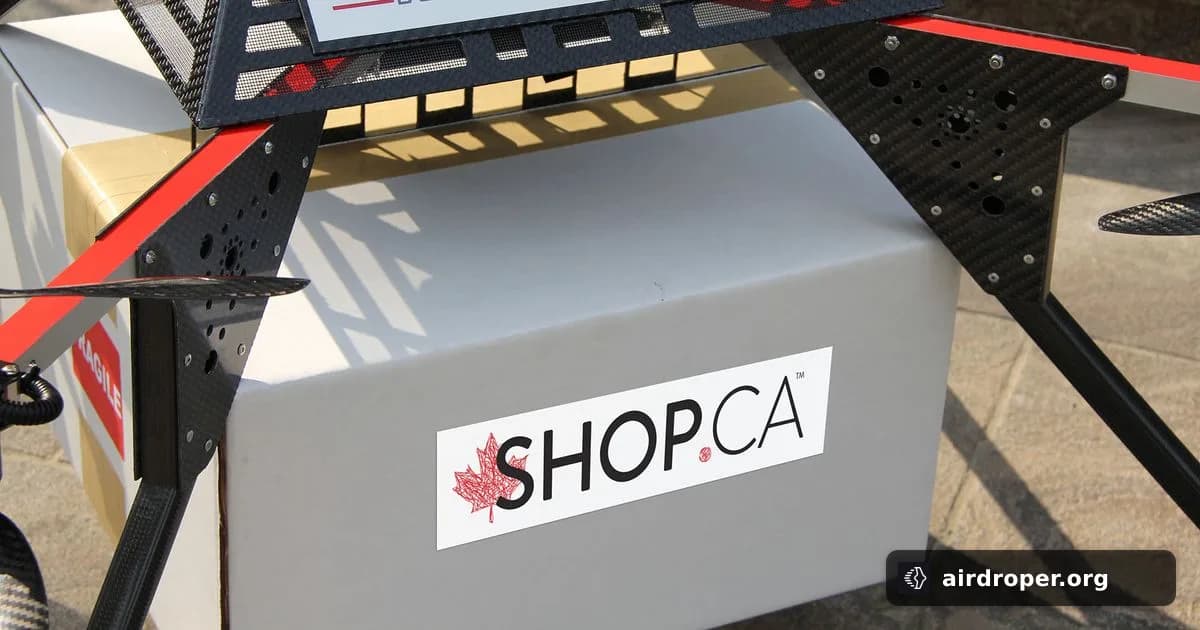
Drone Delivery vs Ground Robots: Who Wins?
The real contest in last-mile delivery
Drone delivery has long been framed as the obvious future of logistics. Yet ground robots have matured alongside it, offering a different answer to the same problem: how to move small parcels faster, cheaper, and with less human labor. The winner may not be a single technology, but a system that uses the right tool for the right route.
Where drones make sense
Drones have one major advantage: they move directly through the air. That can bypass traffic, shorten delivery times, and open access to routes that are awkward or slow on the ground. For urgent shipments, rural areas, or hard-to-reach locations, that can be a meaningful advantage.
But drone delivery also comes with clear constraints:
- weather sensitivity;
- safety requirements;
- limited flight endurance;
- more complex integration into urban airspace.
In other words, drones are strong when speed matters and the route is manageable. They are less effective when conditions are crowded, unpredictable, or tightly regulated.
Why ground robots keep gaining ground
Ground robots are less dramatic than aircraft, but they often fit daily operations better. They can run for longer periods, avoid many of the risks tied to flight operations, and work in areas where air delivery would be difficult to approve or scale.
Their advantages are practical rather than flashy:
- more predictable operation;
- lower complexity in deployment;
- easier integration into controlled environments;
- better suitability for repetitive short routes.
That makes them useful in campuses, business districts, residential complexes, and other environments where the terrain and traffic pattern are relatively stable.
Not a winner-takes-all market
The more realistic view is that drone delivery and ground robot delivery will split use cases. Drones are better suited to time-sensitive or hard-to-access deliveries. Ground robots are a stronger fit for routine, repeatable trips in structured environments.
What will shape adoption is not marketing language, but operational logic:
- deployment cost
- daily reliability
- infrastructure needs
- regulatory limits
- customer expectations for speed
Bottom line
Delivery automation is unlikely to be decided by one platform “winning” outright. Drones and ground robots solve different problems, and the most effective logistics networks will probably use both. The real advantage will go to systems that match the vehicle to the mission, not to the most eye-catching machine.
Related Posts
Comments
Sign in to leave a comment