
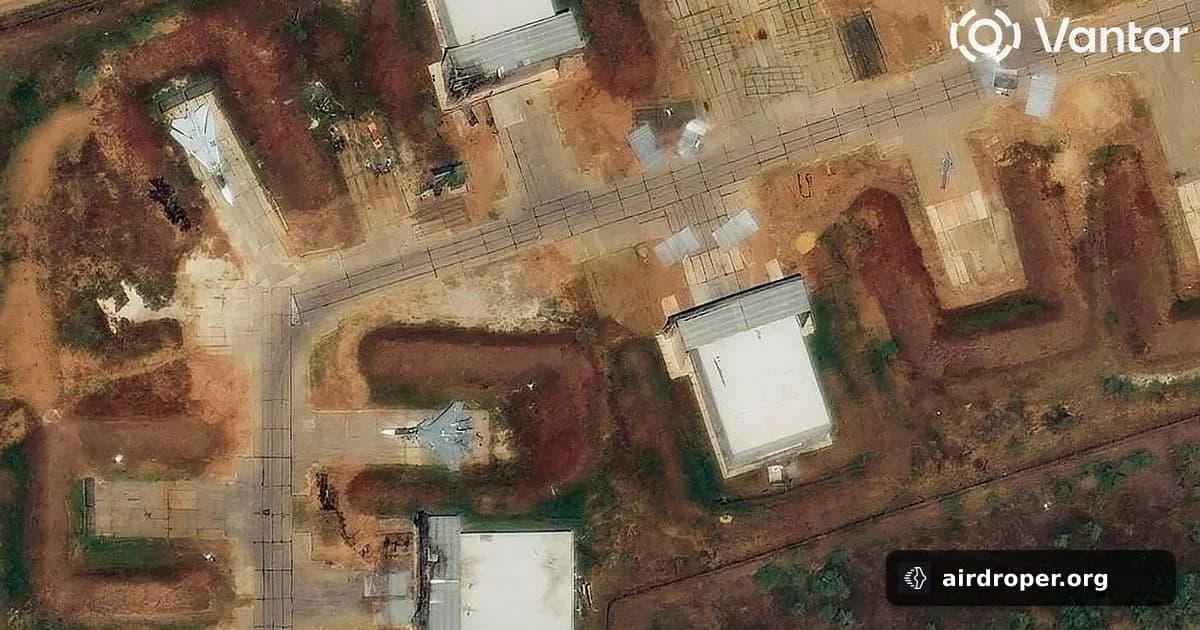
Drone Strikes Damage Shelters at Saki Air Base in Crimea
What was hit
Russian positions at Saki Air Base in Crimea have again come under pressure from Ukrainian drone strikes. According to the source report, the attack damaged hardened aircraft shelters on the base, adding to the growing list of infrastructure losses tied to drone warfare in the region.
Why hardened shelters matter
Hardened shelters are designed to protect aircraft from shrapnel, blast effects, and secondary damage during attacks. They are a key part of any air base’s defensive layout, especially when aircraft are expected to remain operational under threat.
When these shelters are damaged, the impact goes beyond visible destruction. It can reduce sortie generation, complicate maintenance, and force a base to spend time and resources restoring facilities that were meant to survive strikes in the first place.
Crimea as a sustained target
The broader pattern is clear: Ukraine’s campaign in Crimea is aimed at making the peninsula far less usable for Russian military operations. The source frames the attacks on Saki as part of a larger effort to make Crimea as inhospitable as possible for Russian forces.
That strategy does not rely on a single dramatic strike. Instead, it builds pressure through repeated attacks on airfields, depots, air defense systems, and other military infrastructure. The goal is to make normal operations difficult, costly, and predictable for the defending side.
For air power planners, that creates a familiar challenge. A shelter or hangar is only effective if it can withstand repeated strikes, and even then the surrounding infrastructure must keep working: fuel supply, command links, runway access, repair capacity, and air defense coverage all matter.
What the incident shows about drone warfare
The Saki Air Base damage is another reminder that drones are now shaping rear-area combat as much as frontline engagements. They can be used to probe defenses, force dispersal, and expose weak points in otherwise hardened facilities.
That puts a premium on layered protection and rapid response. Militaries facing drone threats need more than passive concrete defenses. They need early warning, interception tools, dispersal plans, and the ability to recover quickly after a strike.
The attack on Saki does not stand alone. It fits into a wider operational logic in which unmanned systems are used not just to observe the battlefield, but to reshape it.
Related Posts


Comments
Sign in to leave a comment