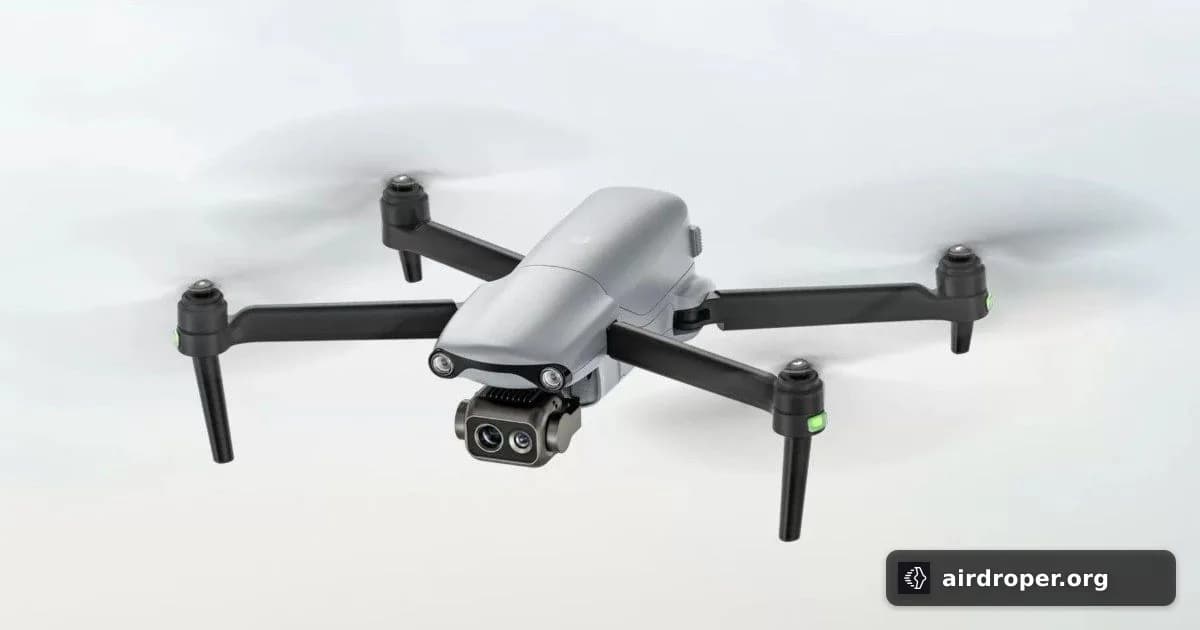
Drones in Construction: Surveying and Monitoring
Why drones are becoming standard on construction sites
Construction teams work in an environment where timing, visibility, and safety all matter at once. Drones are proving useful because they provide a fast way to observe a site, collect visual data, and support day-to-day project control without replacing the people already responsible for the work.
What drones are used for
Site surveying
At the beginning of a project, drone-based surveying can speed up the first assessment of the site. Aerial images help teams understand terrain, boundaries, earthworks, and overall site conditions. That makes early planning more efficient and gives managers a clearer starting point before heavy work begins.
Progress tracking
Once construction is underway, drones can be used for repeated site checks. Regular flights make it easier to document progress, compare current conditions with the project plan, and spot changes that need attention. Instead of relying only on ground-level inspections, teams get a broader view of the whole site.
Safety inspections
Drones are also valuable when the inspection area is difficult or risky to reach. They can be used to examine elevated structures, roofs, and other hard-to-access zones while keeping personnel away from unnecessary exposure. That makes inspections faster and safer, especially when the site includes active machinery or elevated work areas.
Operational benefits
The real value of drones in construction is not only better imagery. It is the ability to support management with timely information. When teams can see what is happening on site more clearly, they can react faster and reduce the chances of missed issues.
Key advantages include:
- faster visual assessment of the site;
- better oversight of ongoing work;
- safer inspections in hard-to-reach areas;
- more consistent documentation across project stages.
A practical tool, not a replacement
Drones do not replace surveying crews, supervisors, or safety specialists. They strengthen the workflow by making inspection and monitoring more efficient. In a field where deadlines are tight and errors are expensive, that matters.
For many construction teams, the drone is becoming less of an optional add-on and more of a standard operational tool — one that improves visibility, supports safety, and helps keep the project on track.
Related Posts
Comments
Sign in to leave a comment