Drones to Speed Up NHS Test Deliveries in Southwest London
Drone delivery is moving into routine healthcare
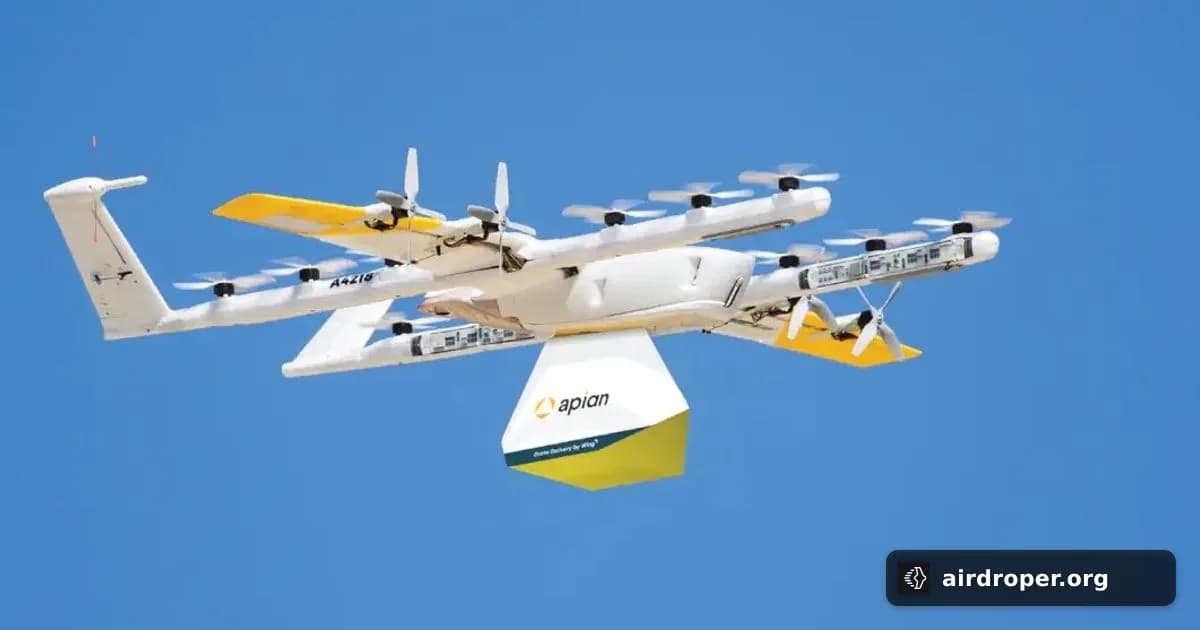
In southwest London, drone delivery is no longer being treated as a side experiment. It is now part of the workflow supporting NHS test transport, where speed and reliability matter as much as the flight itself.
For pathology services, even small delays can affect how quickly samples move through the system. By adding drones into the transport chain, healthcare teams can reduce dependence on road traffic and create a more predictable path between collection points and laboratories.
Why this matters for medical logistics
Medical delivery is not just about moving parcels faster. It is about keeping samples within a controlled process, maintaining timing, and reducing operational uncertainty. That is where drones offer a clear advantage: they can support regular transfers without being exposed to the same congestion and variability as ground transport.
The southwest London case is significant because the technology is described as embedded in South West London Pathology operations. In other words, it is being used as part of a working system, not as a temporary trial.
What makes drone transport useful here
In healthcare logistics, a drone must do more than fly from one point to another. It has to fit into a chain that includes dispatch, tracking, handling, and laboratory intake. For that reason, the most valuable drone deployments are the ones built around reliability and repeatability.
Key benefits in this type of use case include:
- faster transfer of samples between sites;
- fewer delays caused by road congestion;
- more consistent transport timing;
- better integration with clinical operations.
This is why drone delivery is increasingly viewed as infrastructure rather than novelty. Once it becomes part of routine operations, it can support a wider service area without adding the friction that often comes with traditional transport.
A signal for future UAV adoption
The southwest London example shows where the drone sector is heading: toward practical, high-value tasks with clear operational benefits. Healthcare is a strong fit because it demands precision, dependable scheduling, and short turnaround times.
For the UAV industry, that is an important marker. The next stage of adoption is not only about flight capability, but about becoming a dependable part of essential public services.
Related Posts
Comments
Sign in to leave a comment