
The Dutch Drone Panic: What Bureaucracy and False Sightings Teach Us About UAV Regulation
When the Sky Becomes a Source of Panic
In late 2025, the Netherlands found itself gripped by what many described as a drone crisis. Reports of unidentified UAVs appearing over sensitive infrastructure spread rapidly through media and official channels. Emergency services were put on alert, and public concern escalated quickly. But when investigators took a closer look at the reported sightings, a very different picture emerged.
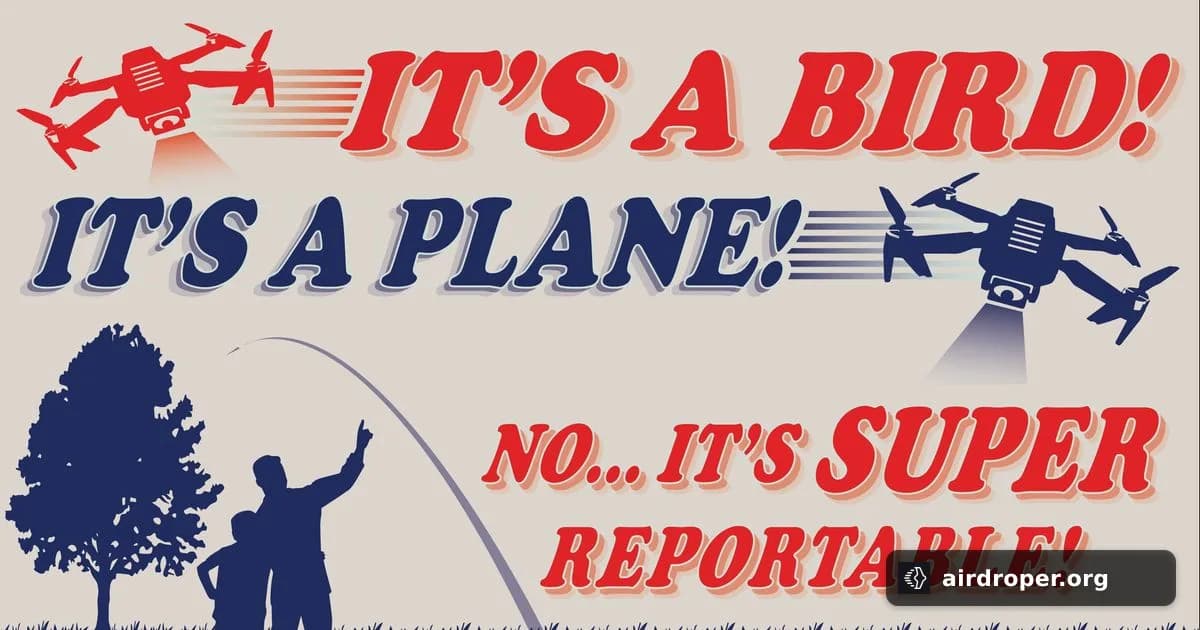
A substantial portion of the incidents turned out to be misidentifications — stars, aircraft, birds, and even streetlights logged as drones by untrained observers. The phenomenon is not unique to the Netherlands, but the Dutch case illustrates with striking clarity how public anxiety and limited technical literacy can combine to manufacture a crisis that isn't entirely real.
Bureaucratic Fragmentation Made It Worse
Beyond the false sightings, the response itself exposed serious structural weaknesses. Police, aviation authorities, and intelligence agencies operated without a unified incident-reporting protocol. The consequences were predictable:
- Duplicate reports of the same objects filed by different agencies
- No centralised verification mechanism to filter credible sightings from noise
- Delayed decision-making due to unclear chains of responsibility
The result was an artificially inflated incident count that fed media narratives and deepened public unease.
The Identification Problem
Reliably distinguishing a drone from other airborne objects — especially at night or in poor visibility — is genuinely difficult without the right tools. Human witnesses, regardless of their good intentions, are simply not equipped to make that call consistently.
Accurate UAV detection requires:
- Multi-sensor systems combining radar, RF detection, and acoustic monitoring
- Trained analysts capable of correlating data from multiple sources
- Standardised reporting frameworks that guide civilian witnesses toward useful, actionable information
Lessons for Regulators and the Industry
The Dutch episode carries clear implications for anyone involved in drone governance:
- Interagency coordination must be established before incidents occur, not improvised during them
- Technology investment in detection infrastructure should take priority over relying on eyewitness accounts
- Public education about what drones actually look like — and don't look like — can significantly reduce false positives
For manufacturers and operators, the case reinforces the value of Remote ID and other transparency mechanisms. When legitimate flights are easily identifiable, the signal-to-noise ratio in incident reporting improves dramatically.
The Bigger Picture
As drone adoption accelerates across logistics, agriculture, infrastructure inspection, and defence, incidents like the Dutch panic will become more common, not less. The question is whether regulators will build the institutional capacity to respond proportionately — or continue reacting to phantom threats while real challenges go unaddressed.
Technical literacy, coordinated governance, and proper detection tooling: these are the foundations of airspace management in the drone era.
Related Posts
Comments
Sign in to leave a comment