
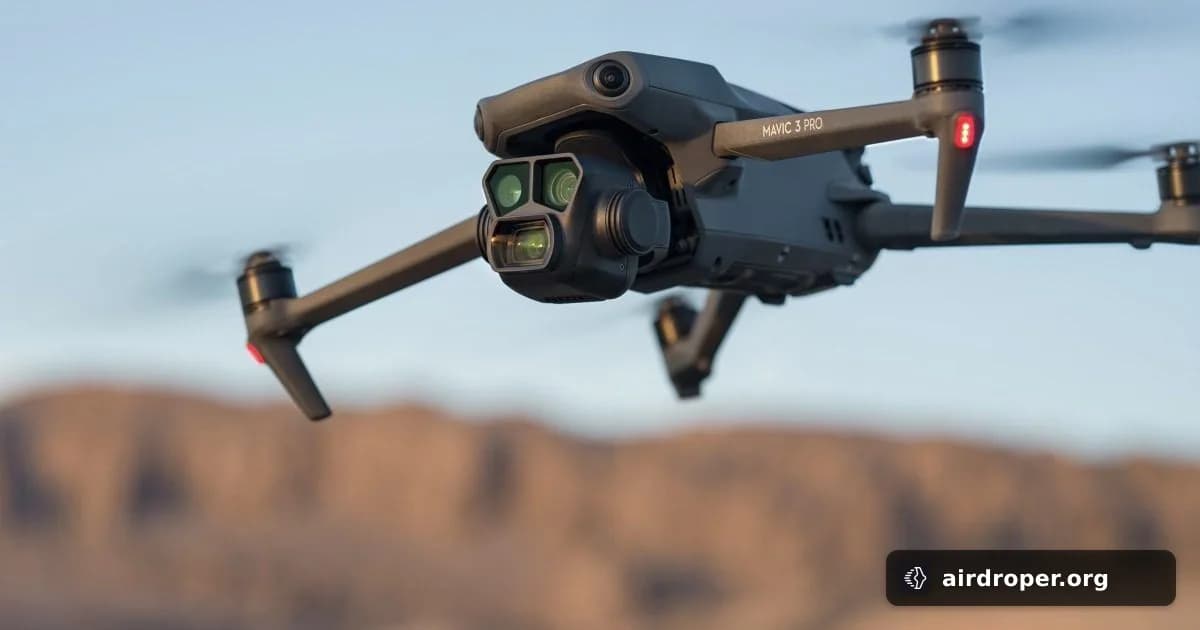
Elsight’s Positioning Tech for GPS-Denied Drones
Why GPS is no longer enough
For years, GPS has been treated as a standard part of drone operations. But that convenience hides a weakness: satellite navigation can be jammed or spoofed, and when that happens, an autonomous system may suddenly lose confidence in where it is.
That matters most in missions where the aircraft is expected to fly, navigate, and adapt with limited human input.
Elsight’s idea
Elsight says its new positioning technology is built to help uncrewed systems determine location even when GPS is missing, disrupted, or manipulated. In other words, it is aimed at keeping navigation available when satellite-based positioning is no longer reliable.
The value of that approach extends beyond drones in the air. Ground robots and other autonomous platforms face the same vulnerability when operating in contested or complex environments.
Why the industry should care
GPS interference is no longer a niche concern. For operators, it can turn a routine flight into a situation where the platform must cope without one of its main navigation references.
That is why alternative positioning methods are moving from “nice to have” to a practical requirement for more use cases. Systems that can hold position, maintain route awareness, or preserve mission continuity without relying on GPS are becoming increasingly relevant.
What to watch next
The key question is not only whether the technology works in principle, but how it fits into real-world platforms. For drone builders and electronics integrators, compatibility, reliability, and ease of deployment will matter as much as the concept itself.
If systems like this prove dependable, they could make autonomous platforms more resilient in environments where satellite navigation cannot be trusted.
Related Posts
Comments
Sign in to leave a comment