
White House Ballroom Hides a Deep Fortress Below
What the project reveals
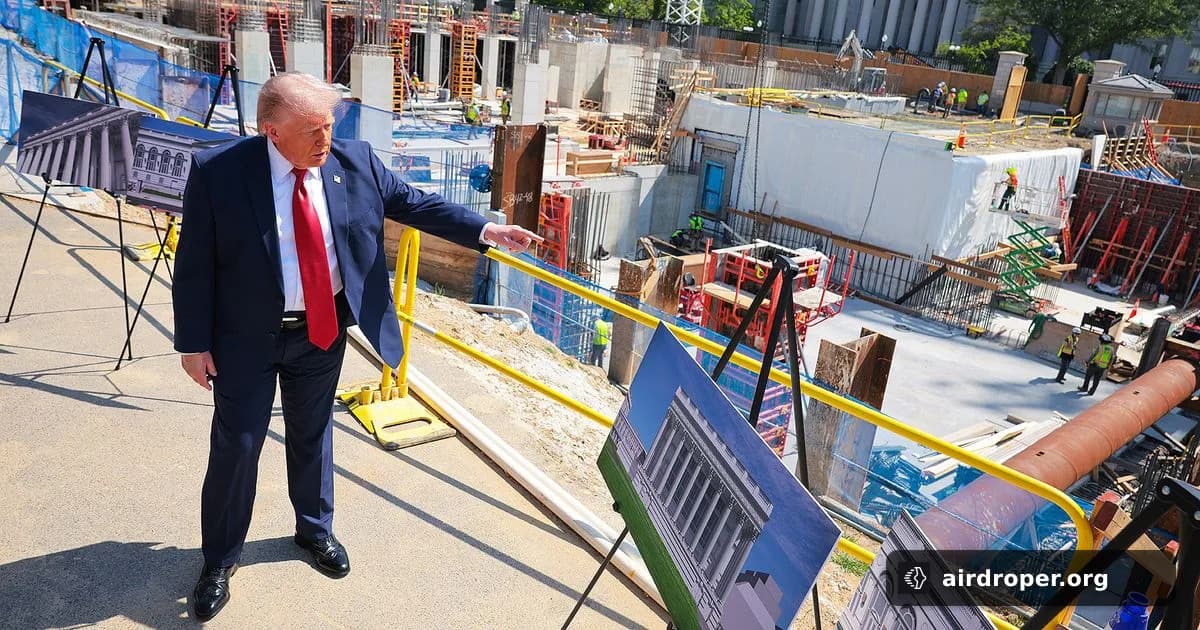
Fresh details about the White House ballroom project suggest it is far more than a ceremonial venue. According to the information now available, the building will extend six floors underground, while the roof will host a dedicated anti-drone system designed to protect Washington.
Why this matters
That combination points to a broader shift in how high-profile government sites are designed. The goal is no longer just to create elegant rooms for events and receptions. Modern protected facilities increasingly include layered underground spaces that can serve as secure infrastructure, shelter, and technical support zones.
Drones are now part of the security equation
The rooftop element is especially notable. The reported system is described in unusually expansive terms, emphasizing a large-scale counter-UAV capability aimed at defending the capital from airborne threats. The message is clear: drones are no longer seen only as tools for surveillance or attack, but also as a trigger for an entire class of defensive technologies.
What it signals for the UAV sector
For the drone industry, this is another sign that counter-UAS solutions are becoming a standard part of strategic infrastructure planning. Critical sites increasingly need:
- multi-layer aerial detection;
- drone suppression or neutralization systems;
- integrated sensors, communications, and control;
- building-level protection rather than only citywide defenses.
Bottom line
The ballroom project shows how modern government facilities can blend public-facing architecture with deep security engineering. With six underground levels and rooftop anti-drone defenses, the building is being shaped as much by threat response as by design.
Related Posts


Comments
Sign in to leave a comment