
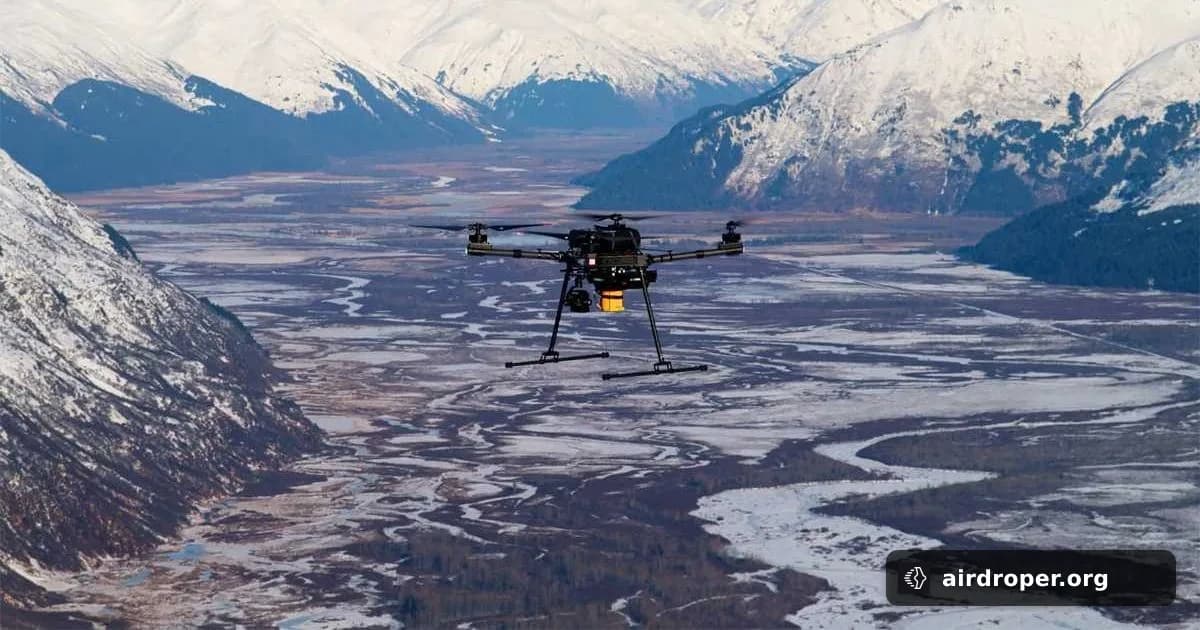
FAA Approves MONTIS Drone System for Avalanche Safety
Drone avalanche control is moving into practical use
Drone-based avalanche mitigation is no longer just a concept for remote mountain operations in the United States. Drone Amplified says the Federal Aviation Administration has approved operations of its MONTIS system, creating a clearer route for organizations that need to manage avalanche risk with unmanned aircraft.
The development matters for transportation agencies, ski resorts, and other groups responsible for keeping mountain routes and recreation areas safe. With FAA approval in place, they now have a more defined regulatory path to use drones for controlled avalanche triggering.
Why the approval matters
Avalanche control has traditionally relied on ground-based methods. Those procedures can be effective, but they also require people to work in hazardous terrain and often under tight timing constraints. Drone systems shift part of that risk away from crews by allowing remote operations in places that are difficult to reach on foot.
The FAA decision does not mean every operator can immediately deploy the system everywhere. It does, however, remove one of the biggest barriers: uncertainty around whether the operation fits within an approved framework. For safety-driven applications, that regulatory clarity is often as important as the hardware itself.
A useful fit for a specialized mission
Avalanche mitigation is a narrow but demanding use case. Any platform used there needs to handle challenging terrain, operate predictably, and align with strict procedures. It also has to reduce exposure for personnel while supporting repeatable operations.
That is why drone adoption in this field is significant. It shows how unmanned systems are expanding beyond imaging and inspection into high-consequence work where reliability and compliance are central.
What this signals for the wider market
The approval also points to a broader trend: drones are increasingly being accepted for missions that involve public safety and infrastructure protection. When regulators provide a workable path, agencies and commercial operators are more likely to move from testing to deployment.
For the drone industry, this is another example of regulation enabling real-world adoption. For mountain safety teams, it is a sign that drone-based avalanche control may become a more practical part of their toolkit.
Related Posts
Comments
Sign in to leave a comment