
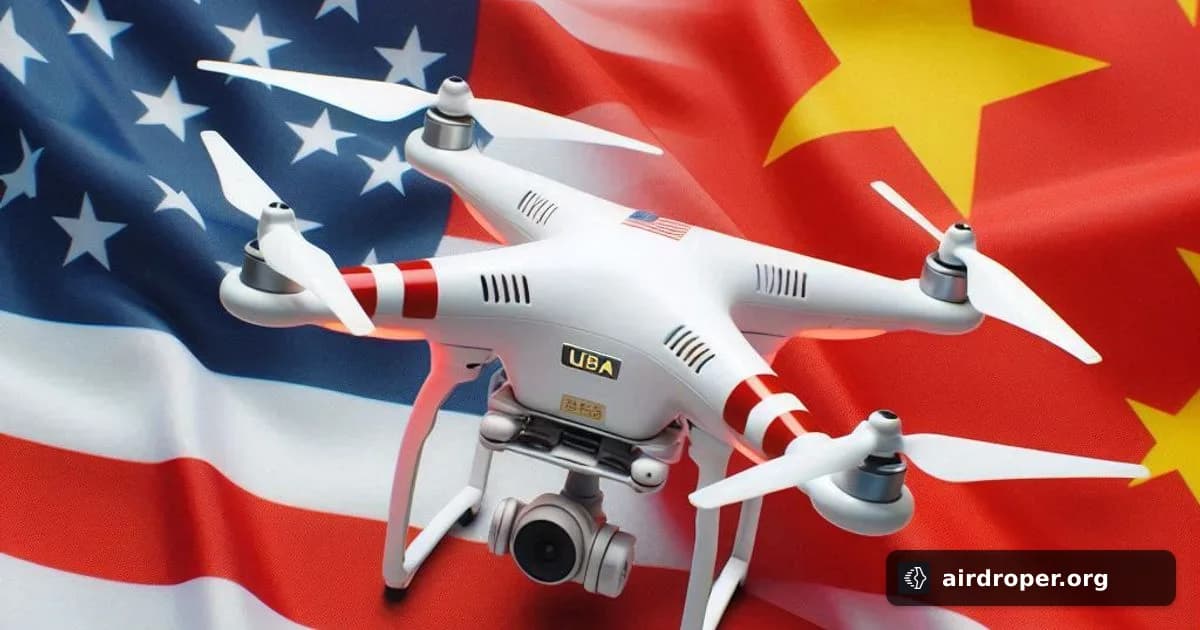
FCC Drone Import and Marketing Ban: What It Means
FCC Tightens the Rules Around Drone Access
On July 17, 2026, the FCC’s Public Safety and Homeland Security Bureau and the Office behind the latest action signaled a tougher approach to drone import and marketing oversight. For the U.S. drone market, the message is straightforward: compliance is becoming just as important as product performance.
For manufacturers, that shifts attention from hardware alone to the full regulatory path a drone must clear before it reaches customers. For distributors and resellers, the stakes are also higher. Products that do not meet FCC requirements or lack the necessary approvals may face barriers to import or promotion in the U.S.
Why the Move Matters
Actions like this typically affect several parts of the supply chain:
- Imports — tighter checks at the border and during customs processing.
- Marketing and sales — limits on promoting devices that do not meet FCC rules.
- Supply chains — pressure to review certifications, contracts, and logistics plans.
For UAV companies, the takeaway is clear: regulatory readiness is now a core product requirement. That includes radio compliance, documentation, and market-specific planning long before the first shipment leaves the factory.
What Manufacturers Should Watch
Drone development sits at the intersection of engineering, safety, and policy. When import or marketing rules change, the effect goes beyond consumer brands. It also reaches integrators, electronics developers, and component suppliers.
Teams working on flight controllers, avionics, and communication modules should treat compliance as part of the design process, not as a final checklist item. That approach helps reduce delays, avoid added costs, and lower the risk of shipment disruption.
The Bigger Picture
The FCC’s latest step reflects a broader trend: drone markets are becoming more controlled, and access to large sales channels depends increasingly on regulatory alignment. Technical capability still matters, but it now has to move in step with formal approval and market rules.
For the industry, that means one thing above all: product strategy must include compliance strategy from the start.
Related Posts


Comments
Sign in to leave a comment