
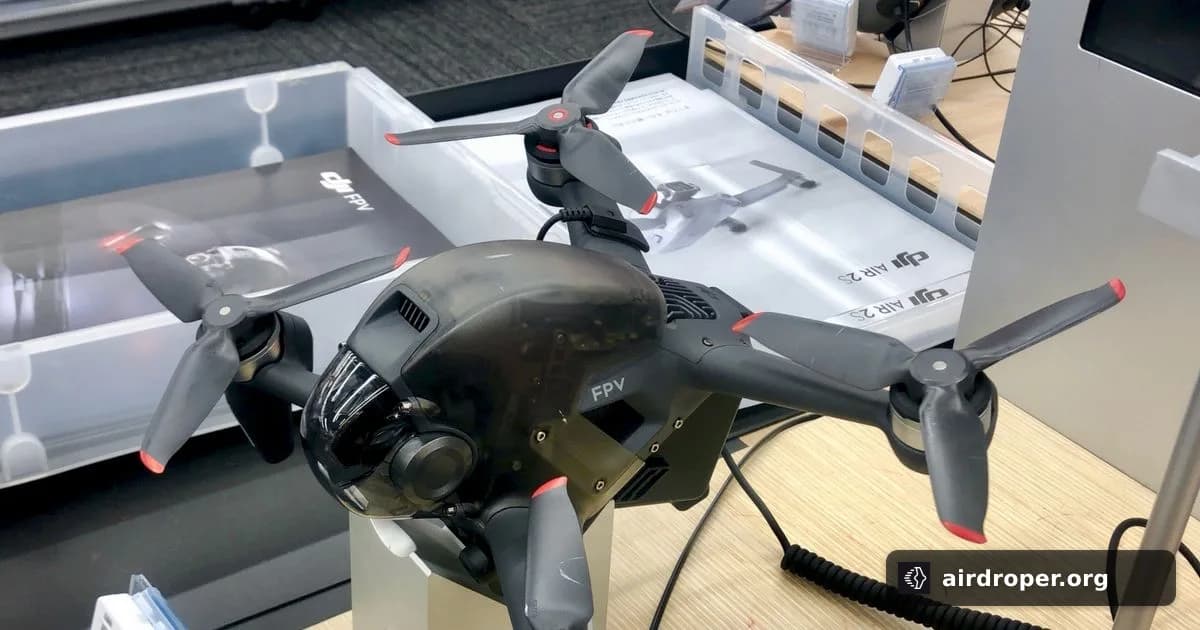
FPV Drones on the Front Line: How Hezbollah Is Adapting Its Tactics in Lebanon
FPV Drones as a Modern Battlefield Tool
The ongoing conflict between Israel and Hezbollah in Lebanon is offering yet another case study in how small unmanned aerial systems are reshaping ground combat. As IDF units advance further into Lebanese territory, Hezbollah has been increasingly deploying FPV drones to target them — a shift that reflects broader trends in modern asymmetric warfare.
FPV (First Person View) drones are small, agile aircraft flown by operators wearing video goggles or watching a live monitor feed. Cheap to produce, easy to deploy, and capable of carrying explosive payloads, they have become one of the defining weapons of contemporary conflicts.
Why Advancing Forces Are Vulnerable
An offensive push inherently creates exposure. Supply convoys, temporary staging areas, and troop concentrations along extended lines of advance all become potential targets. This is where FPV drones excel:
- Precision — the operator has a direct visual on the target until impact
- Low observability — small form factor makes detection difficult
- Cost asymmetry — an inexpensive drone can neutralize high-value equipment
- Tactical flexibility — attacks can come from unexpected vectors
Implications for UAV Development
What we're seeing in Lebanon reinforces lessons already evident from the war in Ukraine: FPV drones are now a standard element of any serious military toolkit. But their effectiveness depends heavily on the quality of underlying systems:
- Low-latency control links that maintain responsiveness in contested environments
- Robust video transmission resistant to jamming
- Reliable onboard electronics that handle aggressive flight dynamics
These requirements are driving innovation across the UAV components industry, pushing engineers to build smaller, more resilient, and more interference-resistant hardware.
The Countermeasures Race
The surge in FPV attacks is accelerating investment in counter-drone technologies — electronic warfare systems, RF jammers, and tactical defensive protocols. In response, operators are exploring optical guidance, frequency-hopping, and autonomous terminal homing to defeat those countermeasures.
The result is a fast-evolving technological competition where advances on one side quickly prompt adaptation on the other — a cycle that shows no signs of slowing down.
Related Posts
Comments
Sign in to leave a comment