
GARC Kamikaze Drone Boat Hit Ex-USS Peleliu
A kamikaze USV in the spotlight at RIMPAC
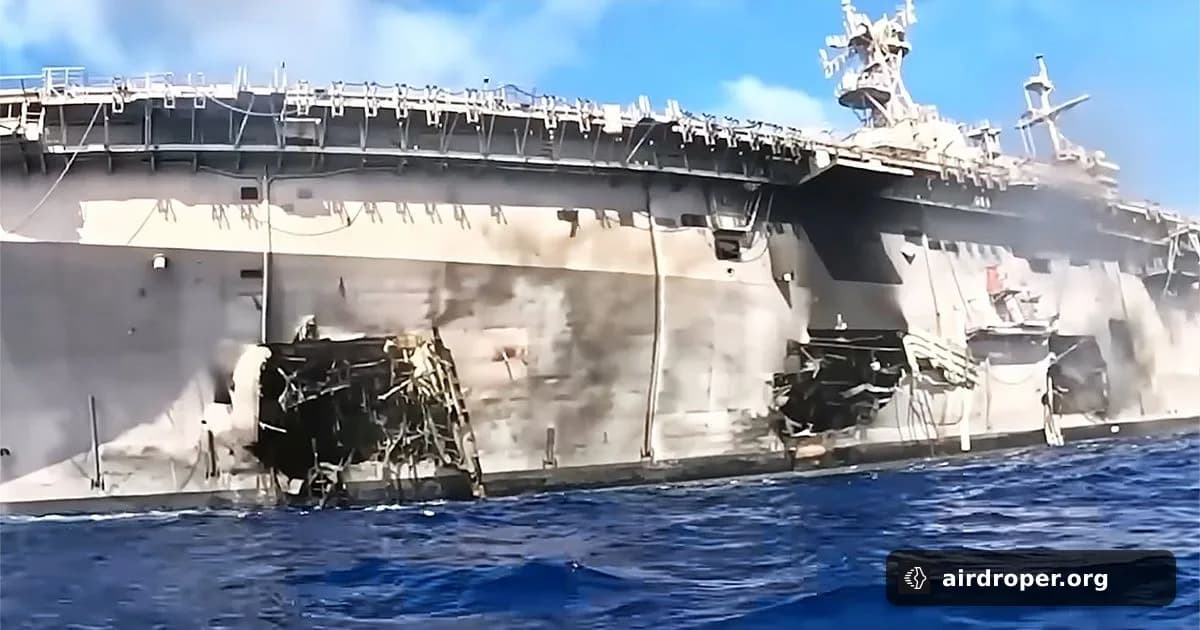
A Navy GARC kamikaze surface drone drew attention during RIMPAC after being used in the sinking of the former amphibious assault ship Ex-USS Peleliu. Coming only days after the Navy’s first combat use of a kamikaze unmanned surface vessel, the episode underscored how quickly these systems are moving from tests and demonstrations into operational relevance.
What stood out was not just the target, but the message. Small unmanned boats are no longer being treated as niche tools for experimentation. They are increasingly being integrated into realistic maritime scenarios that reflect how future naval fights could unfold.
Why the strike matters
The GARC USV struck the hull of Ex-USS Peleliu during the sinking exercise, leaving a visible breach. That kind of result highlights a basic but important point: a relatively compact and expendable platform can still deliver a meaningful effect against a much larger ship.
For naval planners, that has several implications:
- low-cost, high-impact pressure on more expensive surface assets;
- a threat in coastal waters where ships may have less room to maneuver;
- greater demand for counter-USV defenses including detection, tracking, and defeat systems.
From concept to operational concern
Exercises like this are valuable because they test more than the weapon itself. They help show how unmanned maritime systems fit into broader tactics, from ship attacks to layered defense. A kamikaze USV can be used to saturate defenses, force reactions, or hit a target while keeping crews out of harm’s way.
The Peleliu event also reflects a wider shift in naval thinking. Surface drones are no longer just a promising idea or a future capability. They are becoming part of the real-world threat environment that fleets must plan for, train against, and adapt to.
Bottom line
The damage to Ex-USS Peleliu was a vivid demonstration of what small autonomous boats can do in practice. For modern navies, the takeaway is clear: unmanned maritime systems are becoming a factor in both offense and defense, and their role is likely to grow.
Related Posts


Comments
Sign in to leave a comment