
The Hidden Planning Issue Facing UK Drone Delivery
UK drone delivery: the issue is bigger than flight
When people discuss drone delivery in the UK, the conversation usually starts with airspace, detect-and-avoid, and flight safety. That focus makes sense: without reliable navigation and separation from other airspace users, commercial operations will struggle to scale. But there is another obstacle that often receives far less attention — planning.
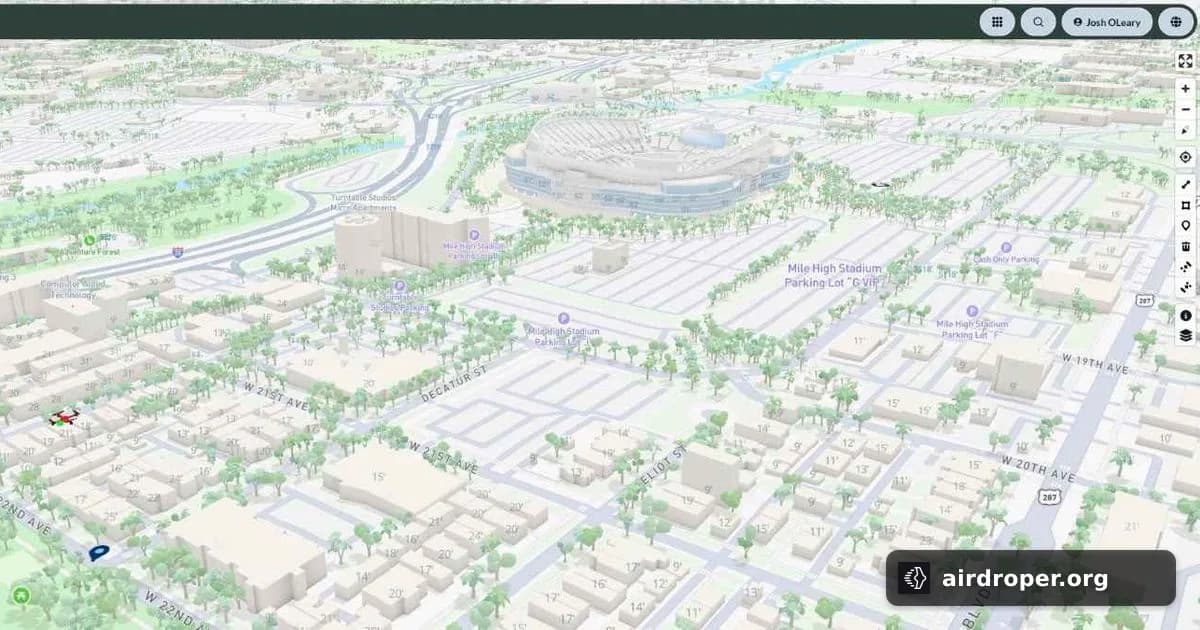
For many delivery projects, the bottleneck appears before the first routine flight ever happens. The challenge is not only whether the aircraft can fly, but whether the whole operation has been designed to work day after day: routes, launch and recovery points, ground handling, procedures, and the way the service fits into the local environment.
Why planning becomes the bottleneck
A drone delivery program is not ready just because the aircraft is technically capable. It needs an operating model that can run consistently and without constant exceptions. In practice, that means:
- choosing suitable takeoff and landing locations;
- aligning routes with safety requirements;
- building contingency procedures;
- connecting drone operations with ground logistics;
- accounting for local constraints and community expectations.
If these parts are not assembled into one system early enough, even strong hardware and software will not guarantee a smooth launch.
What changes when planning is taken seriously
Drone delivery is as much an operations problem as an engineering one. That means companies have to think like both an aviation operator and a logistics provider. Early planning, scenario testing, and documentation become essential, because they show whether the service can operate reliably instead of just demonstrating one successful flight.
The key point is timing. If planning is left too late, the launch becomes dependent on many small approvals, redesigns, and operational workarounds. In that case, the hidden barrier is not the drone itself — it is the structure around it.
Bottom line
UK drone delivery can move faster if the sector gives planning the same attention it gives flight technology. The real test is not whether a drone can complete a mission once, but whether the service can be made routine, scalable, and predictable.
Related Posts

Comments
Sign in to leave a comment