
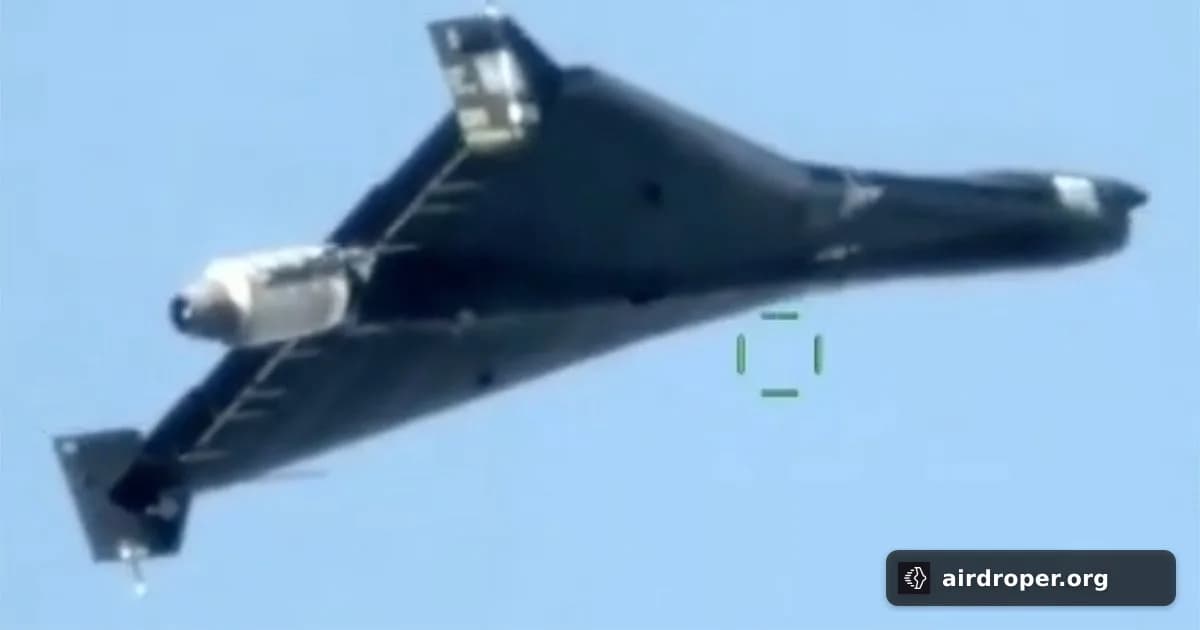
Jet-Powered Shahed Drones Pose a New Threat
A faster Shahed enters the fight
Russia is continuing to refine its one-way attack drones, and the most important shift is the move toward jet-powered variants such as the Geran-4. The core idea is straightforward: more speed and a different flight profile make these drones harder to stop with the low-cost interceptors that Ukraine relies on heavily.
That matters because the Shahed family has already been central to Russia’s strategy of pressure and attrition. Large waves of drones force defenders to spend time, attention, and resources on each incoming threat. A faster drone compresses that timeline even further.
Why this is a problem for defenders
Traditional Shahed drones are dangerous partly because they are cheap and numerous. They are used to stretch air defenses and keep systems busy. A jet-powered version adds a new layer of difficulty: it reduces the window for detection, tracking, and engagement.
In practical terms, this shifts the burden away from a single interceptor and toward the entire air-defense chain. Early warning, sensor coverage, command decisions, and layered response become even more important when targets arrive faster and may fly differently than earlier versions.
What the adaptation looks like
Ukraine does not need to abandon current counter-drone methods, but it does need to keep adjusting how they are used. A drone like Geran-4 pushes defenders to think in terms of:
- stronger air-domain awareness;
- layered air defense;
- fast, cost-conscious interception options;
- more resilient detection and targeting systems.
This is part of the broader pattern in drone warfare: every new offensive system forces a defensive response. When attack drones evolve, interceptors, sensors, and command processes must evolve with them.
The bigger picture
Jet-powered Shahed drones are best seen as another step in the rapid evolution of one-way attack UAVs. They do not change the basic logic of the campaign, but they do make it harder to blunt its effects at scale. For defenders, the challenge is no longer only about destroying drones — it is about doing it quickly enough, cheaply enough, and reliably enough to keep pace with the threat.
Related Posts

Comments
Sign in to leave a comment