
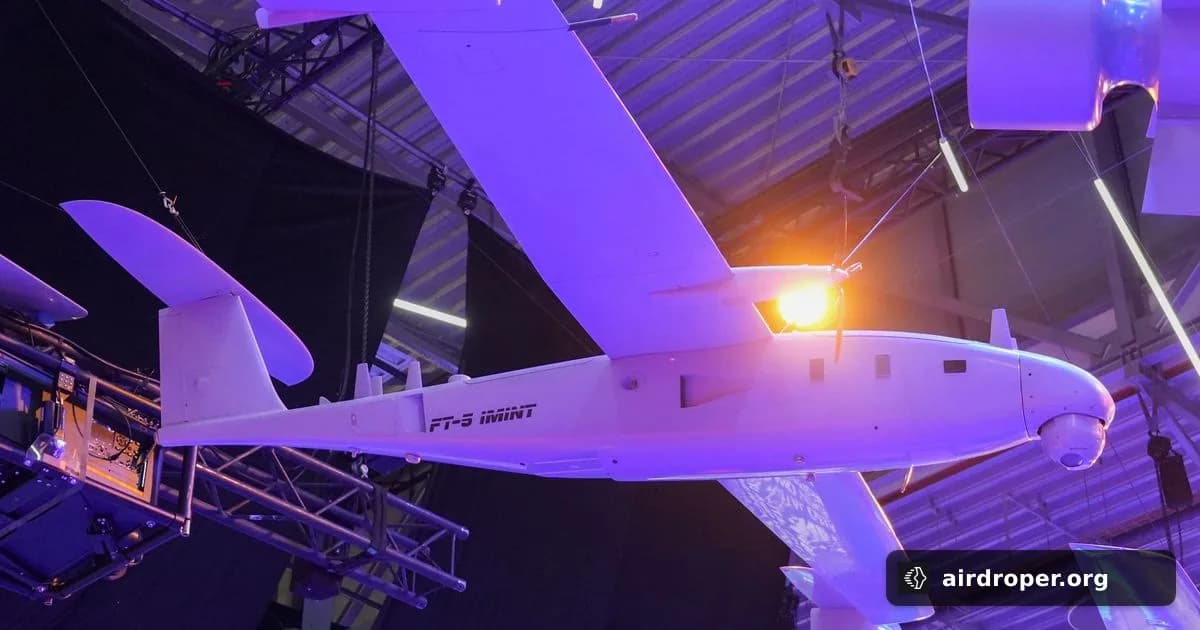
BVLOS Operations in Atypical Air Environments
Why atypical air matters
As drone operations expand beyond simple line-of-sight missions, regulators are being pushed to define how unmanned aircraft can safely operate in more complex environments. A policy concept focused on an atypical air environment is aimed at making BVLOS flights more structured and easier to authorize.
Why BVLOS needs a different framework
BVLOS operations are central to the wider adoption of UAS. They support infrastructure inspection, area monitoring, logistics corridors, and search-and-rescue missions. Yet these flights also raise the most difficult questions around safety, airspace integration, and operational control.
Rather than treating every mission the same, this concept points toward a risk-based approach. In practice, that means evaluating the environment, the mission profile, and the capability of the aircraft and control systems before granting access to a given operation.
What such a policy can change
A framework like this can give the industry several benefits:
- clearer expectations for operators planning BVLOS missions;
- better alignment between safety requirements and mission needs;
- a more realistic path to scaling operations;
- stronger emphasis on system reliability, not just paperwork compliance.
That matters most where standard operating assumptions do not fit. In dense, constrained, or otherwise unusual airspace conditions, broad restrictions alone are rarely enough. Operators need rules that reflect the actual complexity of the mission.
Implications for manufacturers and operators
For UAV manufacturers and system integrators, policy concepts of this kind shape future technical requirements. As missions become more demanding, reliability, communications resilience, navigation performance, and fail-safe behavior become more important.
For operators, the value is practical: a clearer route from one-off trials to routine BVLOS services. But that progression depends on a system where regulation, aircraft capability, and operational discipline are aligned.
Bottom line
The move toward atypical-air policies shows that drone growth is not only a hardware story. Access to airspace, mission-specific rules, and safety logic are becoming just as important. For BVLOS, that clarity may be the factor that determines how quickly the sector can scale.
Related Posts
Comments
Sign in to leave a comment