MQ-28 Ghost Bat and Allied Shared Control
Shared control is becoming a real military requirement
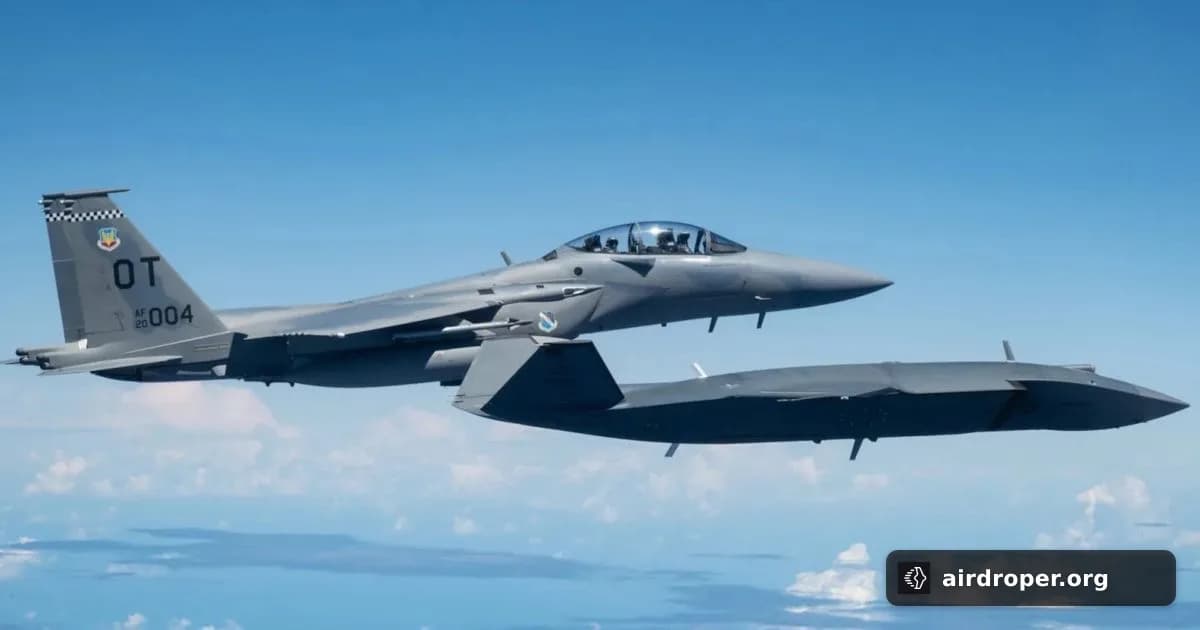
Australia’s MQ-28 Ghost Bat is more than a prototype headline. It reflects a broader shift in military aviation: combat drones are being designed not just as standalone systems, but as assets that can fit into allied air operations.
The most important idea behind Ghost Bat is interoperability. A platform built to work inside a shared combat network can support different missions and different operators, depending on how the air picture evolves. That makes the drone relevant well beyond a single national program.
Why allied access matters
Future air combat is increasingly networked. A crewed fighter is no longer expected to do everything on its own. It needs supporting nodes — sensors, decoys, relays and expendable assets — that can extend reach and reduce risk to pilots.
A system like MQ-28 can contribute in several ways:
- add an extra sensor layer to the formation;
- support screening or distraction roles;
- increase the number of available air assets without putting crews in harm’s way;
- slot into multinational operations through shared command arrangements.
For the United States and Australia, this is also about flexibility. If a drone family can be integrated into allied command structures, mission planners gain more options for dividing tasks between manned aircraft and unmanned wingmen.
The real trend: from autonomy to coalition use
The idea that U.S. pilots could command Australian combat drones points to a larger direction in the defense UAV market. The challenge is no longer simply building a capable unmanned aircraft. The harder part is making that aircraft usable inside a coalition environment.
That requires attention to:
- control software;
- communications standards;
- secure data exchange;
- compatibility across allied platforms.
This raises the bar for manufacturers. A combat drone now needs to be more than aerodynamic hardware. It must be a dependable node in a larger digital system, ready to cooperate with different aircraft and different operators.
Bottom line
Ghost Bat is a reminder that the future of combat drones is likely to be collaborative rather than isolated. If allies can share these platforms and control them across national lines, they gain a stronger, more adaptable air combat structure.
Related Posts
Comments
Sign in to leave a comment