SiFly Drones Join ADS-B Exchange: A Step Toward True Airspace Integration
The Visibility Problem Holding Drones Back
For all the progress the drone industry has made, one fundamental challenge remains: knowing where unmanned aircraft actually are in the sky. As operations grow longer, farther, and increasingly beyond visual line of sight (BVLOS), real-time airspace awareness becomes not just useful — but essential.
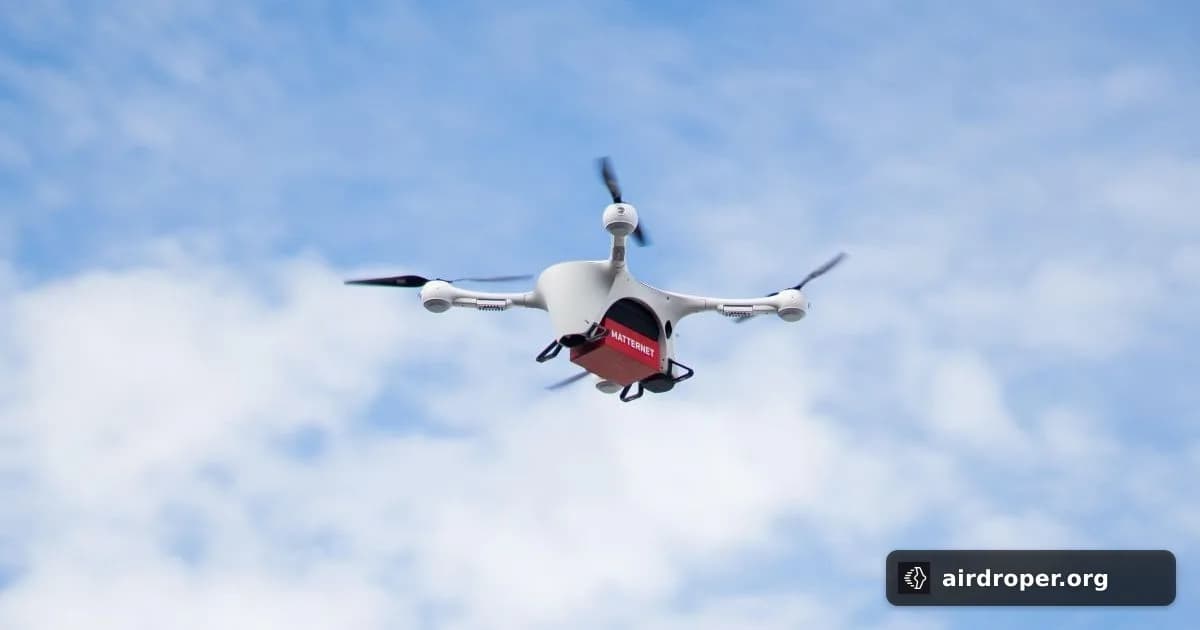
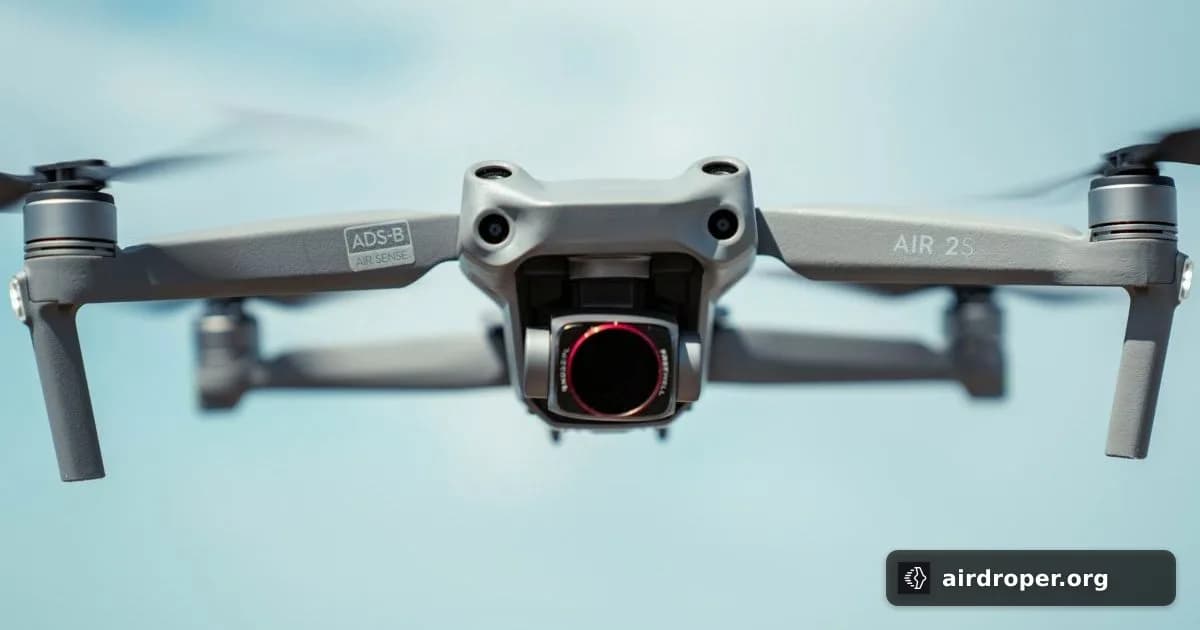
SiFly Aviation has announced a partnership with ADS-B Exchange, one of the most widely used open flight tracking platforms in the world. The move signals a growing push to make drones visible within the same infrastructure used to track conventional aircraft.
What ADS-B Exchange Brings to the Table
ADS-B (Automatic Dependent Surveillance–Broadcast) is a surveillance technology that allows aircraft to continuously broadcast their position, altitude, and velocity. ADS-B Exchange aggregates this data from thousands of ground-based receivers globally, making it a go-to resource for real-time flight visibility.
Historically, drones have been largely absent from these platforms. SiFly's integration changes that — at least for its own fleet — by making its aircraft appear alongside commercial and general aviation traffic.
Why BVLOS Makes This Critical
The push toward beyond visual line of sight operations is accelerating across the industry. When an operator can no longer see their drone directly, technical systems must compensate. Regulators and airspace managers increasingly require proof that a drone can be tracked and identified without relying solely on the operator's eyes.
The SiFly–ADS-B Exchange partnership illustrates a practical path forward:
- Interoperability — leveraging existing aviation infrastructure rather than building parallel systems
- Transparency — allowing third parties, including air traffic managers, to see drone positions on familiar platforms
- Scalability — a model that could be replicated across other manufacturers and operators
A Signal for the Broader Industry
This development reflects a wider shift: the drone sector is moving away from closed, proprietary tracking solutions toward integration with established aviation systems. Regulatory bodies in the US and elsewhere are pushing for drones to be visible within standard air traffic management frameworks.
For hardware developers — whether building flight controllers, telemetry modules, or communication systems — this trend points clearly toward aviation-grade interoperability as a baseline requirement, not an optional feature.
SiFly's move is a small but meaningful step in that direction.
Related Posts
Comments
Sign in to leave a comment