
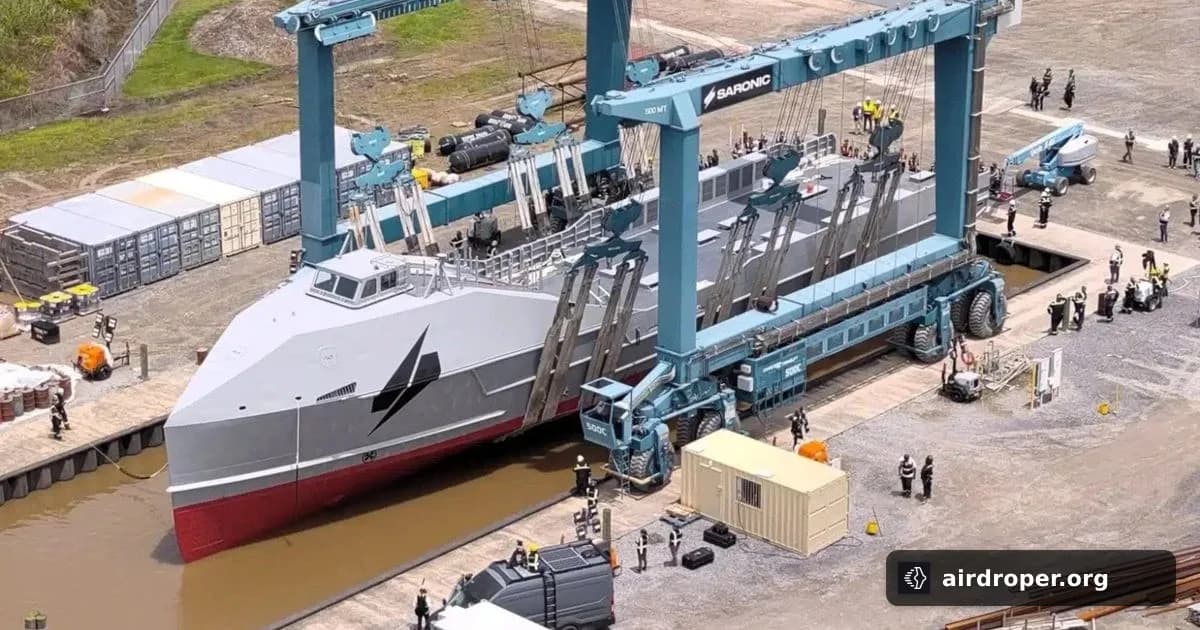
Navy Orders 30 Drone Ships to Push USV Ambitions Forward
A bigger USV push from the U.S. Navy
The U.S. Navy has taken a notable step toward expanding its fleet of uncrewed surface vessels by ordering 30 drone ships. On paper, that sounds like a straightforward procurement move. In practice, it signals an attempt to move a long-running USV effort beyond isolated trials and into something closer to regular fleet use.
For years, the Navy has explored how medium-size uncrewed vessels could fit into its future force structure. That effort has been important, but also uneven. Programs in this space have often faced delays, shifting requirements, and the broader challenge of proving that autonomous maritime systems can work reliably outside controlled demonstrations.
Why medium uncrewed ships matter
Medium USVs sit in an interesting space. They are larger and more capable than small robotic boats, but they do not carry the cost, complexity, and personnel burden of crewed ships. That makes them attractive for missions where endurance and persistence matter more than human presence onboard.
In a modern naval context, that can include roles such as surveillance, patrol, reconnaissance, and support tasks. The appeal is obvious: more hulls in the water, fewer people exposed to risk, and the possibility of distributing capability across a wider area.
But the promise has always come with technical and operational hurdles. A reliable medium USV fleet needs:
- dependable autonomy at sea;
- resilient communications and navigation;
- integration with existing naval command structures;
- a production pathway that can scale.
That is why the Navy’s order matters. It suggests the service is still committed to finding a practical formula for medium uncrewed vessels rather than treating them as a side experiment.
A signal, not a finished answer
A purchase of 30 vessels does not mean the problem is solved. It does, however, show that the Navy is trying to move from ambition to implementation. For defense planners, that shift is important because it creates a more realistic test bed for doctrine, logistics, and fleet integration.
For the wider defense industry, the order is also a useful indicator. Interest in medium USVs remains alive, and the supporting ecosystem — sensors, autonomy software, mission systems, and control hardware — is likely to remain relevant as programs mature.
The key question now is whether this step becomes the start of a durable procurement path. If it does, the Navy may finally turn a long-discussed concept into an operational capability with real fleet value.
Related Posts
Comments
Sign in to leave a comment