
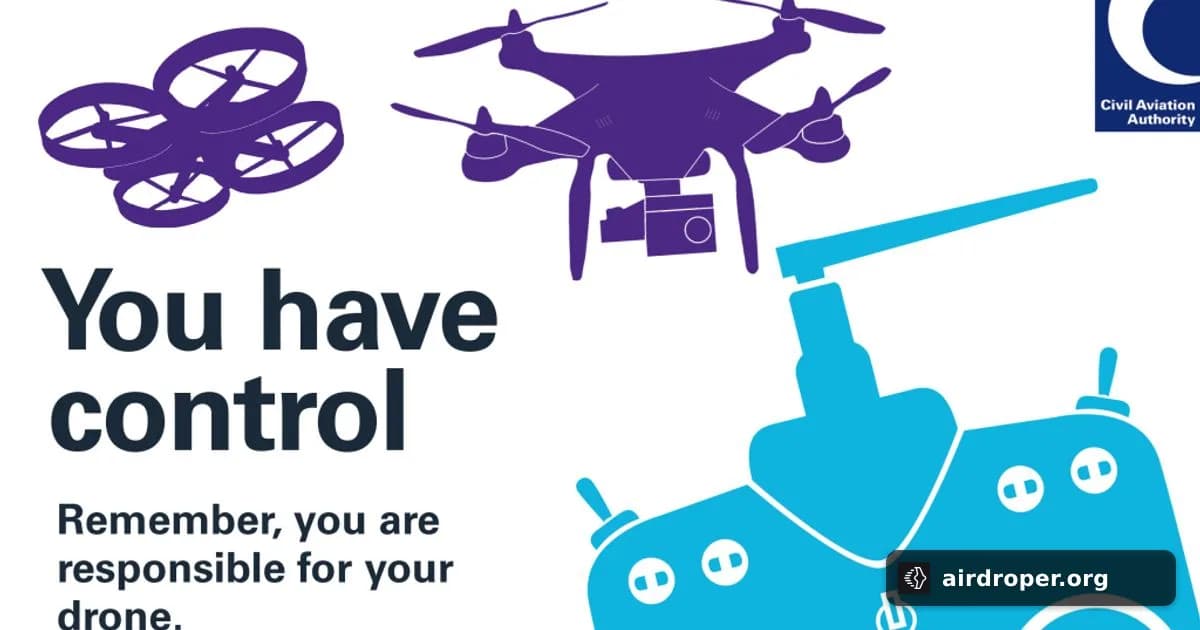
Managing Noise in New Aviation Technologies
Noise is becoming a design issue
As drones and other electric aviation platforms move from niche tools to regular operational assets, noise is no longer just a side effect. It is becoming a core part of how these systems are designed, approved, and accepted in real-world environments.
That shift matters because emerging aviation technologies often operate closer to people, lower to the ground, and more frequently than traditional aircraft. In cities and near critical infrastructure, even small changes in acoustic behavior can affect whether a mission is considered practical.
What makes these aircraft sound different
Unlike conventional aircraft, drones and electric vehicles generate noise from multiple sources at once. The acoustic profile depends on several factors:
- rotor count and rotor size;
- motor speed and operating mode;
- frame geometry and airflow interaction;
- flight phase, especially takeoff, hover, and landing.
This means noise is not fixed. A platform can sound relatively quiet in one mission profile and significantly louder in another. For operators and manufacturers, acoustic performance should therefore be part of the initial system concept, not just a test-flight metric.
Why regulators are paying attention
Noise affects how public and commercial users view emerging aviation technology. For delivery, inspection, and monitoring missions, a lower acoustic footprint can improve acceptance and reduce friction with local communities.
Regulators are facing a balancing act. They need to support innovation while keeping aircraft operations safe and manageable for people on the ground. As a result, future rules are likely to look beyond airspace access alone and place more emphasis on actual operational noise.
How manufacturers can respond
Reducing noise is not a single fix. It usually comes from a series of engineering choices, including:
- rotor and propeller optimization;
- vibration reduction in the airframe;
- flight-mode tuning for quieter operation;
- testing across realistic mission scenarios.
For UAV developers, this is also a systems-level issue. A quieter platform can be better suited for urban use, longer deployments, and tasks where repeated operations near people are unavoidable.
Final take
Emerging aviation technologies bring clear operational value, but they also raise new expectations around noise. For drones and electric aircraft, acoustics are now part of product design, mission planning, and regulatory discussion. Teams that address noise early are more likely to build systems that can scale beyond the test phase and into practical deployment.
Related Posts
Comments
Sign in to leave a comment