Navy Tests SEALs and Underwater Drone Teaming
A new layer for underwater special operations
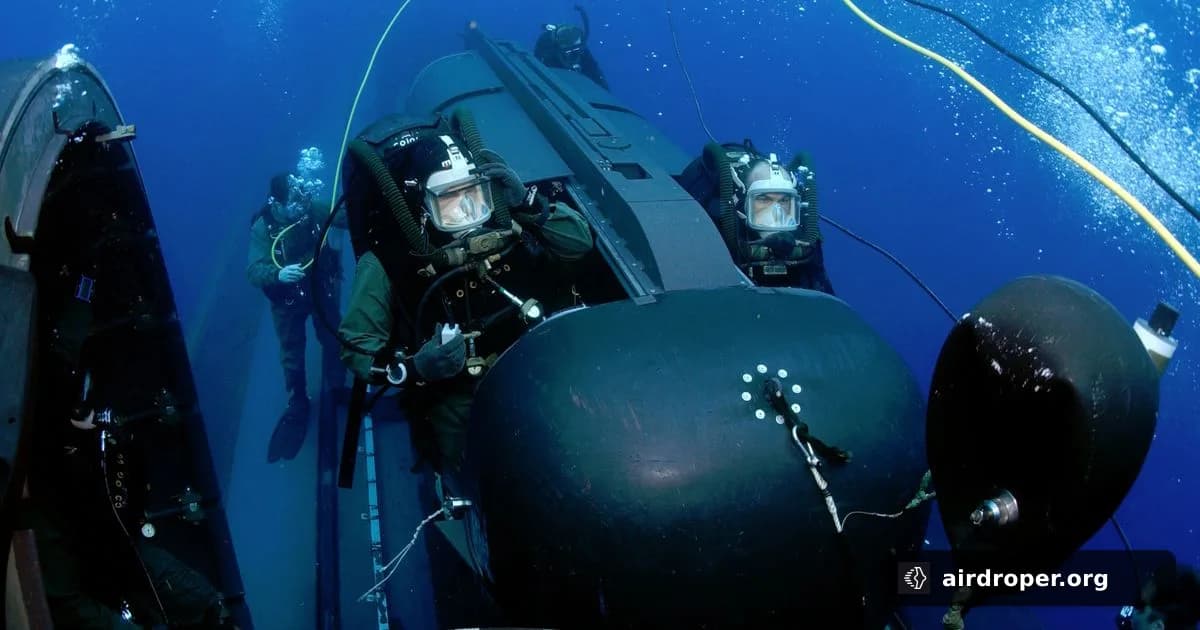
The U.S. Navy is exploring a concept that pairs uncrewed underwater vehicles with mini-submarines carrying SEAL teams. The idea is straightforward: let machines handle some of the sensing, scouting, and route-checking work before people move deeper into the mission area.
That direction fits a broader military trend. Across domains, autonomous systems are being used to take on tasks that are dangerous, repetitive, or better handled at a distance. Underwater operations are especially suited to this logic because visibility is limited, communications are difficult, and mistakes can quickly compromise an entire mission.
Why the combination matters
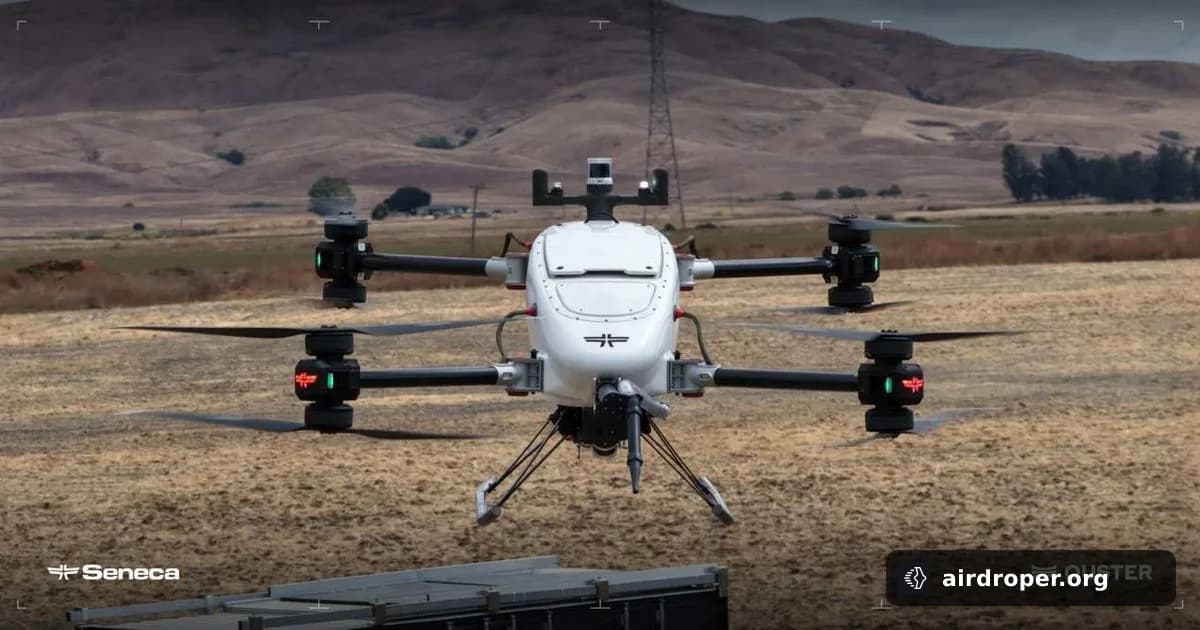
A mini-submarine plus an underwater drone could create a more flexible insertion package. In practice, the drone could:
- scout ahead of the crew;
- identify obstacles or possible threats;
- help map a route through complex waters;
- provide extra situational awareness before the team commits to an approach.
For special operations forces, that matters because every additional data point can improve timing and reduce exposure. If a vehicle can inspect the route first, the human team can make decisions with a clearer picture of the environment.
The technical and operational hurdles
The concept is promising, but it is not simple. Underwater communications are inherently limited, and coordinating a crewed vehicle with an uncrewed one requires reliable control, clear procedures, and strong trust in the system’s behavior.
There are also practical questions around endurance, stealth, navigation, and how the drone should be launched, recovered, and managed during a mission. In underwater warfare and special operations, even small integration problems can become major risks.
That is why concepts like this usually move slowly from discussion to testing. A vehicle may work well on paper, but real-world conditions are harsher: currents shift, sensors degrade, and mission timelines leave little room for error.
What this signals for future maritime warfare
Even at an early stage, this work shows how underwater drones are moving closer to the center of naval planning. They are no longer only support tools for inspection or mapping; they are increasingly being viewed as part of the mission chain itself.
If the Navy can make this pairing reliable, it could change how special operations teams approach covert insertion and reconnaissance. The likely future is not about replacing humans underwater, but about giving crews smarter tools that extend reach, improve awareness, and lower risk before the main action begins.
Related Posts
Comments
Sign in to leave a comment