
Portable UAV-Based SIGINT: What Sky Spy and Orqa Showed
Portable signals intelligence from the air
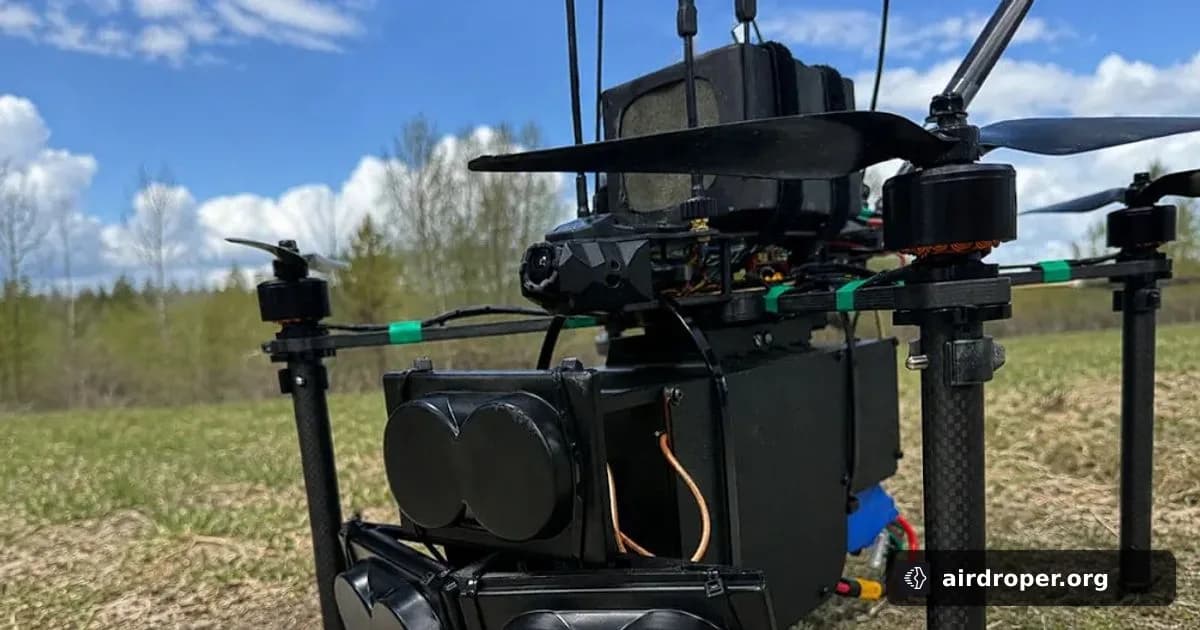
At a major NATO exercise in Estonia, Sky Spy and Orqa presented a portable SIGINT system built around a UAV platform. The idea is straightforward: combine a drone with signal interception and analysis tools to gather intelligence quickly, without relying on heavy ground-based infrastructure.
That approach matters because modern operations often demand mobility, speed, and the ability to work in changing conditions. A portable airborne SIGINT setup can be deployed where a traditional system would take longer to position, connect, and protect. This is one reason demonstrations like this attract attention at multinational exercises — they show how electronic intelligence is becoming more flexible and more integrated with unmanned platforms.
Why airborne SIGINT is gaining interest
Signals intelligence remains a core part of situational awareness. When the collection platform is airborne, operators gain practical advantages:
- faster deployment;
- more flexible observation points;
- support for dynamic mission profiles;
- reduced exposure for some ground teams.
In broader ISR terms, a UAV can act as more than a flying camera. With the right payload, it becomes a carrier for electromagnetic sensing and data collection, adding another layer to battlefield awareness. For commanders and analysts, that can mean shorter decision cycles and a clearer picture of the environment.
What the demonstration signals
Showing a portable UAV-based SIGINT concept during a NATO exercise suggests growing interest in pairing drones with electronic reconnaissance tasks. The key point is not just that the system exists, but that it is being tested in a realistic joint-operations setting.
This also reflects a wider shift in the UAV sector. Drones are moving beyond surveillance and transport roles and are increasingly becoming modular platforms for communications, sensing, and specialized mission payloads. The more adaptable the airframe and mission architecture, the easier it is to expand what a UAV can do in the field.
Bottom line
Sky Spy and Orqa’s demonstration points to a clear direction in SIGINT development: smaller, more mobile, and more modular systems. A portable UAV-based solution will not replace every existing capability, but it can be a valuable addition wherever speed, flexibility, and rapid intelligence collection matter most.
Related Posts

Comments
Sign in to leave a comment