
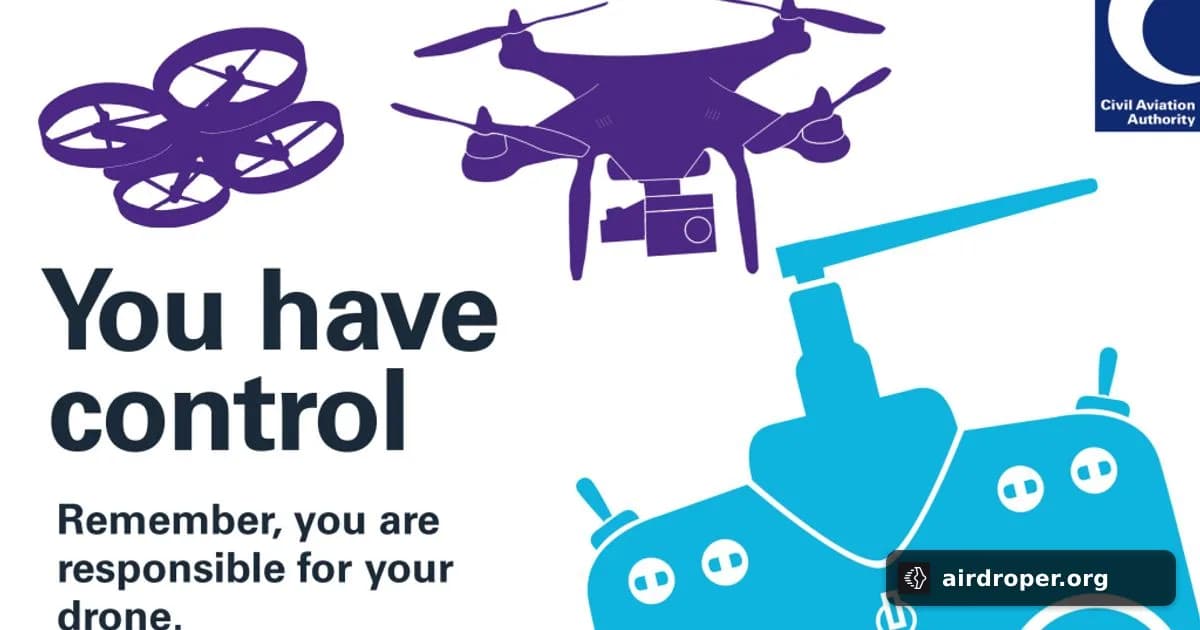
UK regulator maps path to scalable drone operations
The UK is building a framework for drone growth
The UK Civil Aviation Authority has published its Airspace Architecture Concept of Operations, outlining how drone activity could be integrated more safely and at greater scale across UK airspace. The document is not about one specific product or platform. Instead, it presents a broader framework for how unmanned aircraft operations may evolve from isolated use cases into a more connected part of the aviation system.
Why this matters
As drone activity expands, the main challenge is no longer just flight capability. It is coordination. More aircraft in shared airspace require rules that are clear enough for operators, flexible enough for innovation, and robust enough for safety. A concept-of-operations document is typically where that future structure starts to take shape.
For the drone sector, these early policy signals are important because they influence how standards, procedures and technical requirements are developed later. In practice, that affects everything from navigation and communications to how operators plan routine missions in commercial environments.
What the industry should take from it
Scaling drone operations usually depends on three foundations:
- clear access rules for shared airspace
- consistent safety procedures
- technical compatibility across systems
When a regulator sketches out the architecture for those elements, manufacturers and operators can align product development and deployment plans more confidently. That matters especially for services that need repeatable, reliable operations rather than occasional flights.
The wider signal is also notable: mature aviation markets increasingly move from ad hoc approvals toward structured integration. That shift is essential if drones are to become part of everyday civil aviation rather than remain a separate layer on top of it.
What comes next
The publication of the concept is only the starting point. The market will now watch for how the vision is translated into practical rules, technical guidance and operational procedures. Those details will determine how easily drone systems can coexist with other airspace users and how quickly the ecosystem can scale.
For the UAV industry, the message is straightforward: the future of growth depends not only on better aircraft, but also on a clearer airspace model that supports safe, repeatable operations.
Related Posts


Comments
Sign in to leave a comment