
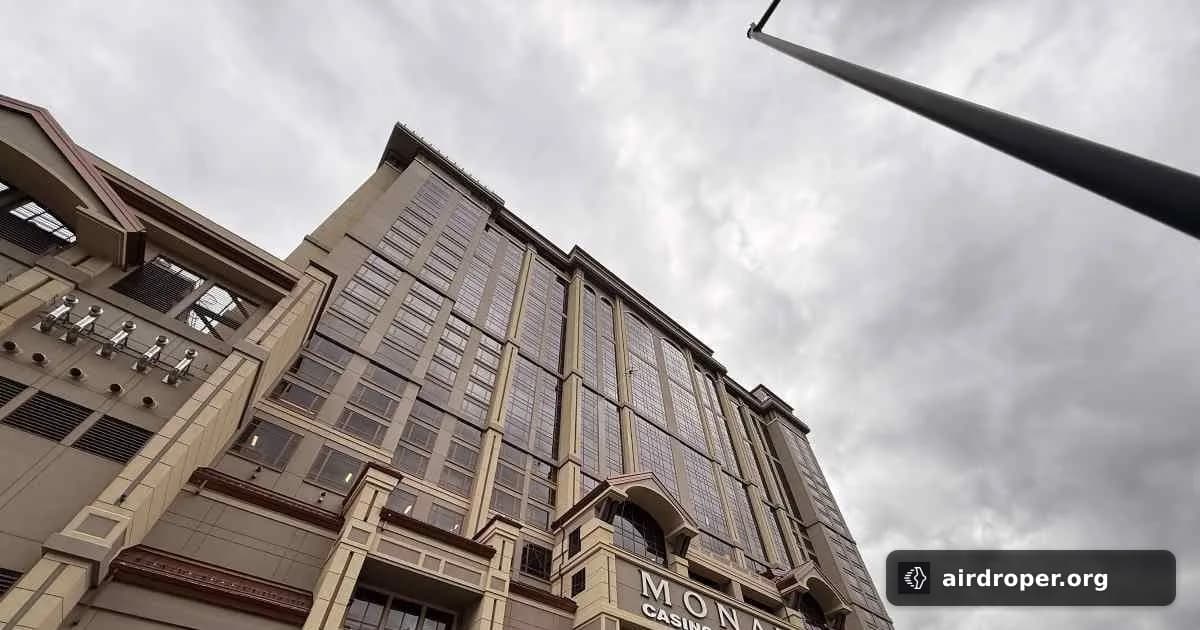
Pulley System Changes How Cleaning Drones Work
A small infrastructure change can reshape cleaning drones
Cleaning drones for tall buildings are moving toward a more practical operating model. Instead of forcing the aircraft to carry the full load of a heavy cleaning hose, a rooftop-mounted system now takes on part of that burden. The result is a different balance between the drone and the ground or roof equipment supporting it.
Lucid Bots is applying this approach to its Sherpa cleaning drone. In the older setup, the drone had to manage not only its own hardware but also the weight and drag of the hose used for cleaning. That adds pressure to the aircraft, especially when the job involves long reaches, vertical surfaces, and extended operating time.
Why the rooftop pulley matters
By moving some of the load to a system installed on the roof, the drone is no longer the only component responsible for holding and guiding the hose. A pulley-style arrangement helps support the line so the aircraft can focus more on positioning and spraying, rather than compensating for the hose’s mass.
For operators, that can mean a more workable cleaning setup:
- less strain on the aircraft itself;
- improved hose management near the facade;
- better efficiency in demanding vertical work;
- a setup that may be easier to adapt for taller structures.
A practical trend in commercial UAVs
This is a good example of a broader trend in commercial drone operations: sometimes the best way to improve performance is not to make the drone bigger, but to change the support system around it. In service applications, especially on buildings, the ecosystem matters as much as the airframe.
Cleaning drones are a niche, but a useful one. They need to stay stable, repeatable, and efficient while working close to walls and over significant heights. Reducing the mechanical burden on the drone can make those missions more realistic and more predictable.
What this signals for the sector
Solutions like this suggest the cleaning-drone market is maturing. The next step is not only better flight control or stronger motors, but smarter integration between airborne platforms and rooftop or ground-based support hardware. That kind of systems thinking is likely to shape the next generation of professional UAV tools.
Related Posts
Comments
Sign in to leave a comment