
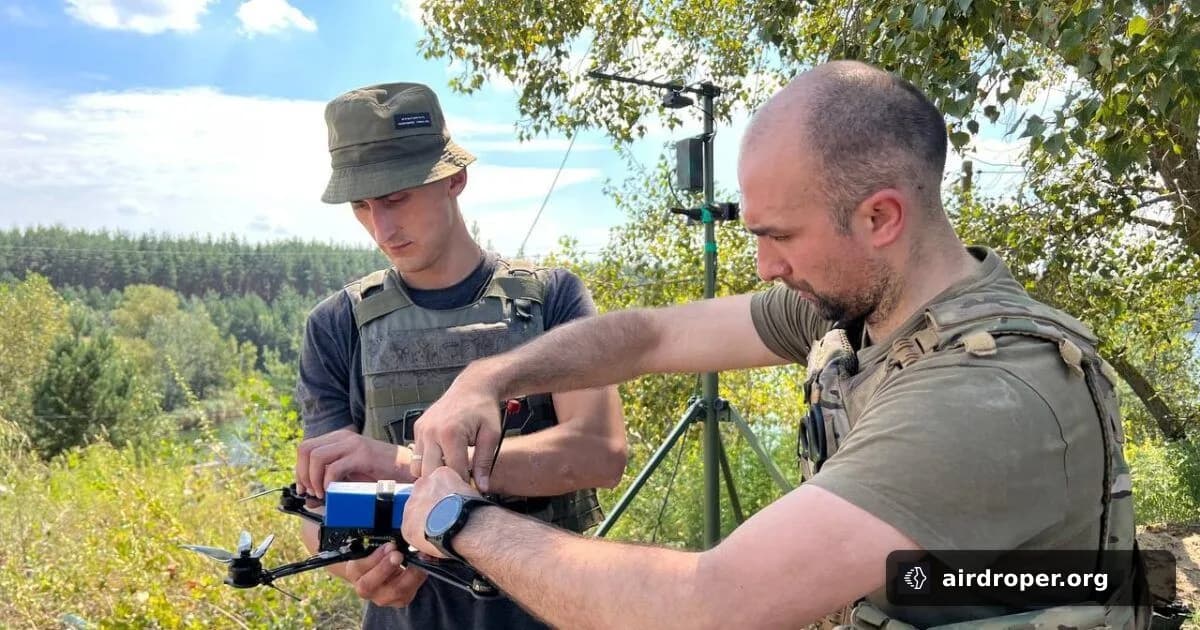
Rogue Cortex and UAS Nexus Launch FPV Kit
A modular path for FPV development
Rogue Cortex and UAS Nexus have announced a partnership built around a simple idea: make FPV development faster by removing the repetitive setup work that usually surrounds it. Their new modular developer kit combines the Platform One airframe with an SDK and a structured developer program.
What the kit is meant to solve
In many drone projects, a large share of time goes into integration rather than innovation. Teams spend hours matching parts, building the platform, and making sure the hardware stack is ready before the real work can begin. This kit is designed to reduce that friction.
Instead of assembling a one-off environment from scratch, engineers and researchers get a production-oriented base that lets them focus on software development right away. The main areas highlighted by the partnership are:
- autonomy;
- perception;
- swarming and multi-vehicle behavior;
- experimentation with new control logic.
That shift matters because it changes the role of the airframe. The platform is no longer just a vehicle to fly; it becomes a development foundation for testing advanced capabilities.
Why modularity matters
A modular system can shorten the path from concept to prototype. For teams working in defense, industrial inspection, or public safety, that speed is often as important as raw performance. Those sectors need reliable hardware, but they also need software that can evolve without forcing a complete rebuild every time requirements change.
The appeal of a developer kit like this is that it creates a more predictable environment. Researchers can concentrate on sensor behavior, navigation, or coordinated flight instead of spending time on the plumbing of a drone build. That can make it easier to compare results, repeat tests, and move promising ideas into practical use.
A sign of where the market is heading
The collaboration reflects a broader trend in UAV development: more standardized hardware, more extensible software, and less dependence on custom, from-scratch builds. For engineering teams, that can mean faster iteration and a lower barrier to entry.
If the platform delivers on its promise, it could help accelerate the next wave of autonomy-focused FPV work by giving developers a ready-made base and a clearer software path forward.
Related Posts
Comments
Sign in to leave a comment