
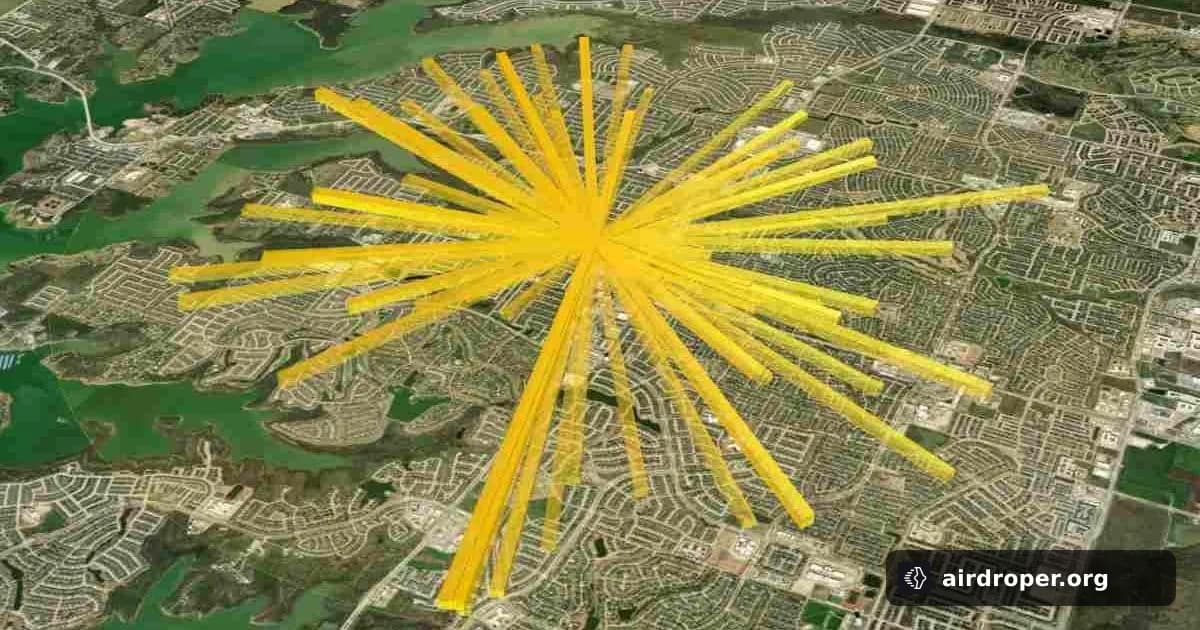
Shared Airspace Could Unlock Drone Delivery
The real bottleneck
Drone delivery has never been held back by a single issue. Batteries, payload limits, weather, regulation, and public trust all matter. But one of the most overlooked problems is also one of the most important: how do multiple companies operate in the same airspace without getting in each other’s way?
That question becomes especially relevant in suburban markets, where drone delivery is most likely to scale first. In those areas, routes can become crowded quickly as more operators enter the same neighborhoods and try to serve overlapping demand.
A real-world answer
Flytrex says it has now shown a practical way to handle that overlap. The key point is not just that drone flights can happen, but that they can coexist when different operators need access to the same skies. If that holds up beyond a single test environment, it could remove one of the biggest barriers to wider adoption.
This matters because delivery networks are not built on isolated flights. They depend on density, coordination, and repeatable operations. A system that allows shared use of airspace could help move drone delivery from scattered pilots to something closer to a real logistics layer.
Why it matters for scaling
If drone delivery is going to expand across American suburbs, several things need to line up at once:
- operators need predictable access to routes;
- airspace conflicts need to stay manageable;
- services need to scale without becoming inefficient;
- different platforms need a way to operate side by side.
That last point may be the most important. A market with only one drone delivery provider is easier to manage, but it is not a mature market. Real scale means multiple players, shared infrastructure, and rules that keep traffic moving.
More than a technical problem
The challenge here is not only about aircraft performance. It is also about how the system is organized. Drone delivery will advance faster if the industry can build operating models that support coexistence instead of forcing companies into isolated zones.
Flytrex’s result suggests that the industry may be closer to that stage than many expected. If shared-airspace operations prove reliable in practice, the biggest obstacle to drone delivery growth may shift from hardware and autonomy to coordination.
That would be a meaningful step toward a broader commercial network — and a sign that the drone delivery model is starting to mature.
Related Posts
Comments
Sign in to leave a comment