
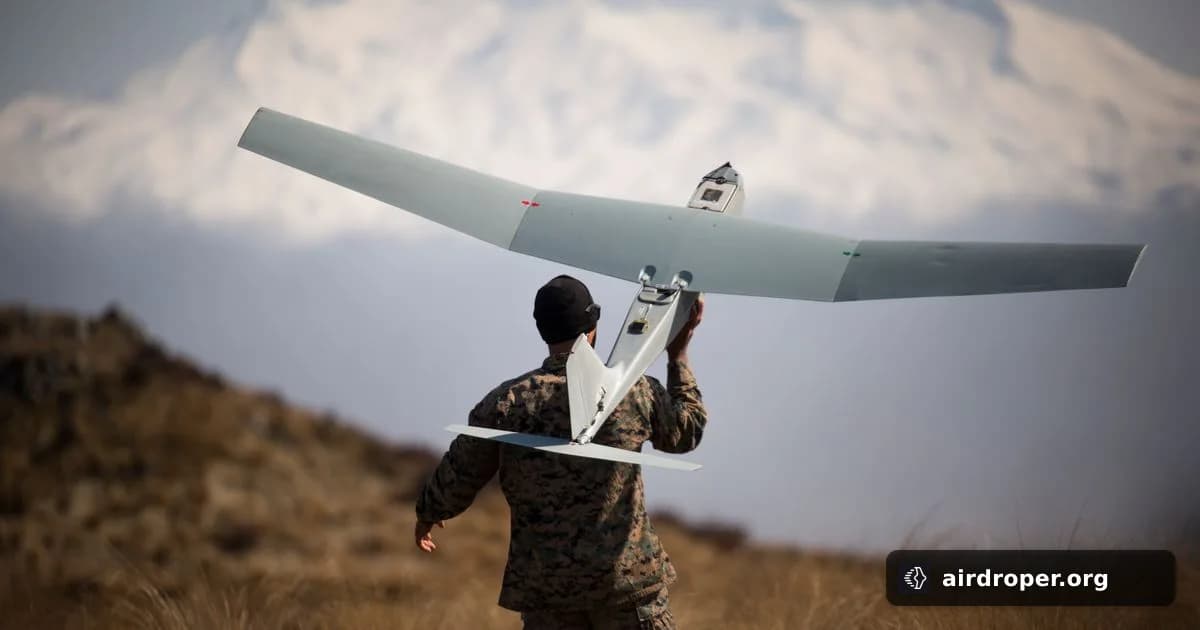
Small UAVs for First Responders: Faster Adoption
Why small UAVs matter in physical security
For first responders, small unmanned aircraft systems are becoming more than a convenience. They are increasingly part of the core toolkit for improving physical security, especially when situations are urgent, uncertain, or too dangerous to approach directly.
The value is straightforward: a drone can provide an immediate aerial view before personnel enter a scene. That early picture helps teams understand what is happening, identify possible hazards, and choose a safer and more effective response.
Where small drones add the most value
Small UAVs are most useful when speed and visibility matter. Common use cases include:
- checking large areas or perimeters;
- searching for people in hard-to-reach locations;
- supporting operations involving elevated risk;
- monitoring a situation without direct exposure to danger.
In these roles, the drone acts as the first set of eyes. It does not replace responders on the ground, but it gives them better information before they move in.
Adoption speed is part of the outcome
The source of the benefit is not only the aircraft itself, but how quickly it becomes part of day-to-day operations. Faster adoption means teams can train earlier, build repeatable procedures, and use the platform consistently instead of treating it as a special-case tool.
That depends on several practical factors:
- dependable hardware;
- predictable control;
- fast deployment in the field;
- fit with existing operational workflows.
When those pieces are in place, a small UAV can move from being an occasional asset to a reliable part of the response chain.
What this means for the sector
The small-UAV market for public safety is increasingly focused on practical performance rather than abstract technical claims. For first responders, the key questions are simple: does the system launch quickly, fly reliably, transmit clearly, and support better decisions under pressure?
That is why small drones are now seen as a force multiplier for physical security. They give responders more information at the start of an incident, help reduce risk for personnel, and improve control over fast-moving situations.
Related Posts


Comments
Sign in to leave a comment