
UAE Builds Giant Drone Shields for Energy Sites
UAE strengthens protection around energy assets
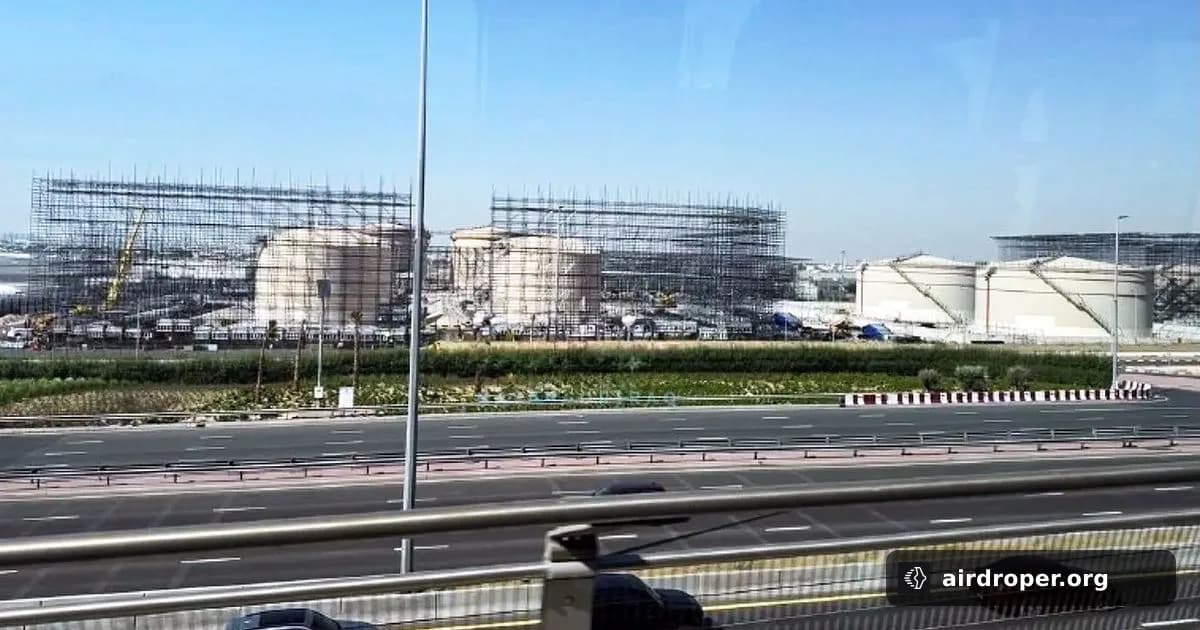
The United Arab Emirates is moving to harden parts of its energy infrastructure with large protective structures designed to reduce the threat from drones and missiles. These metal frameworks are meant to make it harder for incoming weapons to strike vulnerable equipment and critical points inside oil and gas facilities.
The step follows repeated attacks that have damaged parts of the country’s energy system. When infrastructure becomes a target, the issue is no longer limited to security alone — it quickly turns into a broader question of economic resilience and continuity of supply.
Why these structures matter
The nickname “cope cages” refers to improvised or semi-permanent protective measures that can be used to shield exposed equipment. They are not a perfect answer, but they can still help by disrupting impact angles, reducing the effect of fragments, or partially covering sensitive assets from direct hits.
That matters for energy sites, where tanks, pipelines, pumps and other components often sit in open areas. Even a modest layer of protection can make a difference when facing small drones that are capable of precise strikes.
What this says about drone warfare
The UAE example reflects a wider shift: critical infrastructure is increasingly treated as a frontline target in modern conflict. Defending it is becoming a standard requirement, not an optional extra. Unlike military positions, energy facilities are usually spread across large open spaces, which makes them harder to protect with traditional defenses alone.
As a result, countries are combining active air defense with passive measures such as barriers, hardened shelters and better dispersion of equipment. In a sustained threat environment, even simple engineering fixes can become an important layer in a larger protection strategy.
Bottom line
The UAE’s move shows how counter-drone defense is moving beyond the battlefield. Energy, transport and industrial sites are now part of the same security equation, where adaptation and practical engineering matter as much as weapons themselves.
Related Posts


Comments
Sign in to leave a comment