
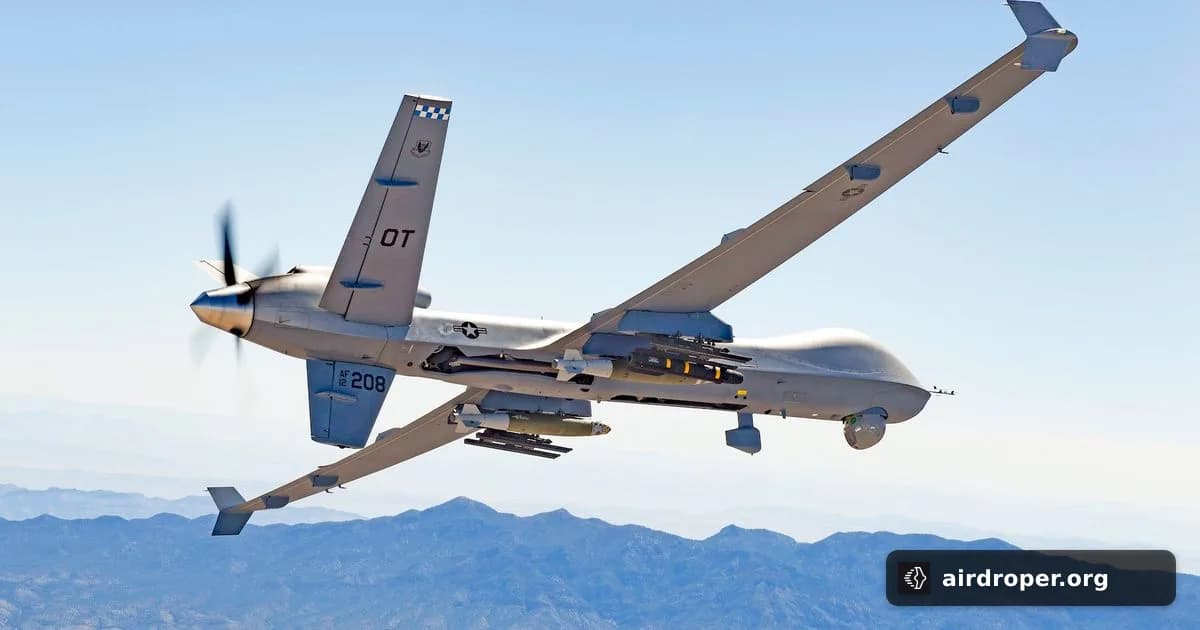
What MQ-9 Reaper Replacement Means for Drones
A different logic for a new UAV
The search for a successor to the MQ-9 Reaper points to a clear shift in how the U.S. Air Force is thinking about large drones. Instead of making survivability the top priority, the new requirements lean toward lower cost, broader mission flexibility, and the ability to produce the aircraft at scale.
Built to be used differently
That does not mean the next aircraft will be disposable in a casual sense. It means the platform is expected to be affordable enough that commanders can accept more risk when planning missions. In other words, the drone should be capable, but not so expensive that every sortie becomes a major financial gamble.
This is a meaningful change in design philosophy. Rather than building a heavily protected system that is difficult and expensive to replace, the emphasis moves toward a system that can be fielded in larger numbers and employed more aggressively across a wider set of roles.
Cost, scale, and mission mix
A lower unit price opens the door to mass production. That matters because large fleets give military planners more options: more coverage, faster replacement, and the ability to assign aircraft to different mission profiles without treating every airframe as a scarce asset.
At the same time, price usually comes with trade-offs. A cheaper drone may carry less protection, less endurance, or fewer advanced onboard systems. The challenge is to find the point where those compromises do not undermine the aircraft’s usefulness.
What the shift signals
The MQ-9 replacement effort reflects a broader trend in military UAV development. For many programs, quantity is becoming nearly as important as quality, especially when the operating environment is more contested and attrition is part of the planning picture.
For operators, that means future drones may be judged less by whether they can survive every threat and more by whether they can be produced quickly, deployed widely, and kept affordable enough to lose if necessary. That is a very different standard — and one that could shape the next generation of medium-altitude unmanned aircraft.
Related Posts


Comments
Sign in to leave a comment