
UK Bets Big on Drones Across Land, Sea and Air
Britain is reshaping how it plans to fight
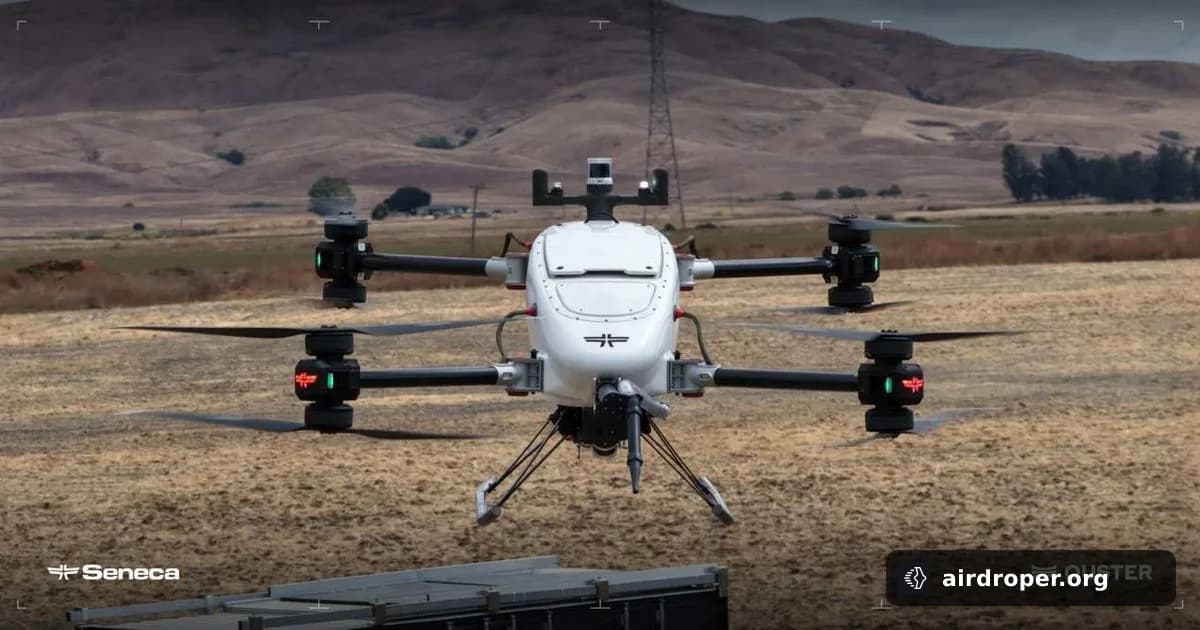
The UK is moving toward a force structure in which uncrewed systems sit at the center of operations on land, at sea, and in the air. This is more than adding a few drones to existing units. It signals a broader shift in how military power is being designed, procured, and used.
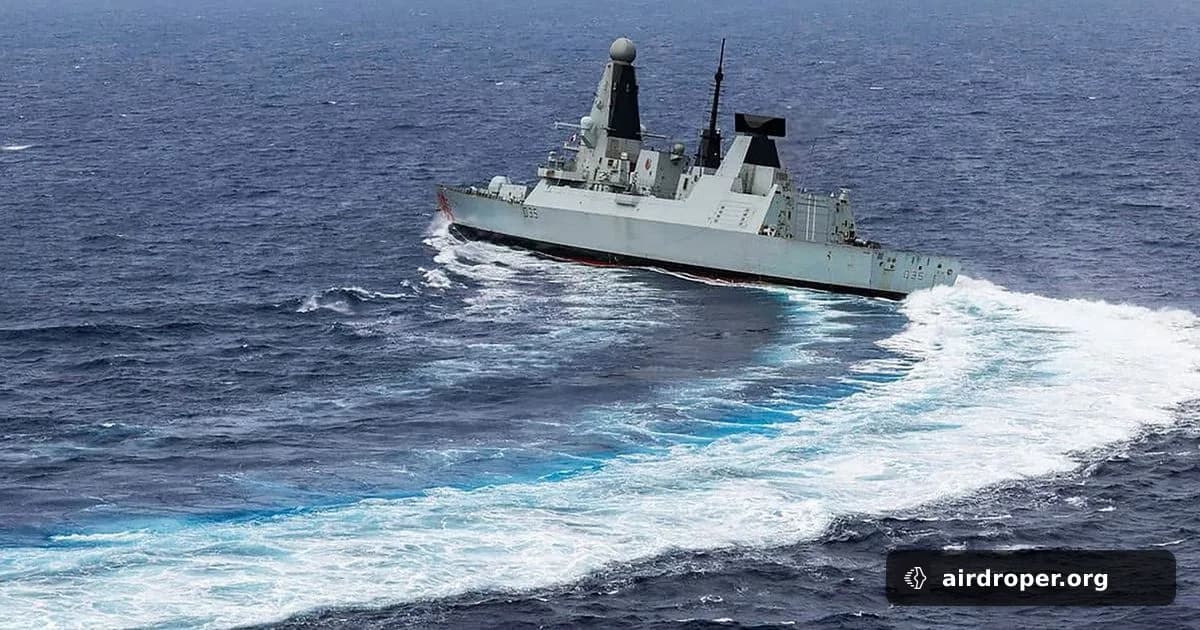
One of the clearest signs of that shift is the pressure on traditional naval programs. Future surface combatants are no longer being treated as untouchable priorities if uncrewed platforms and related technologies can deliver capability faster or with greater flexibility. In practice, that means some established plans may be reduced or reshaped to make room for a drone-heavy future.
Why this matters
The logic behind the move is straightforward. Uncrewed systems have already proven their value in reconnaissance, surveillance, and strike roles at the tactical level. The UK’s direction suggests a belief that those advantages can be expanded across the force, not just in isolated missions.
Several factors help explain why defense planners are drawn to this model:
- faster fielding than major crewed platforms
- greater adaptability across different missions and environments
- lower exposure of personnel in high-risk tasks
- relevance to modern warfare, where scale, cost, and survivability all matter
Naval trade-offs and broader implications
For the Royal Navy, the challenge is balancing long-term shipbuilding ambitions against a rapidly changing technological landscape. Cutting back or slowing one major program can be politically difficult, but it may free resources for systems that are easier to iterate and deploy in large numbers.
The bigger story is that the UK appears ready to treat autonomy as a core capability rather than a niche add-on. That has implications for force design, training, logistics, and command structures. It also points to a future in which uncrewed platforms do not simply support operations — they help define them.
If the strategy holds, the British armed forces could become one of the more visible examples of how drones are moving from a supporting role to a central place in military planning.
Related Posts


Comments
Sign in to leave a comment