
How Ukraine’s AI Drones Hit Russian Logistics
Ukraine’s drone campaign is moving deeper
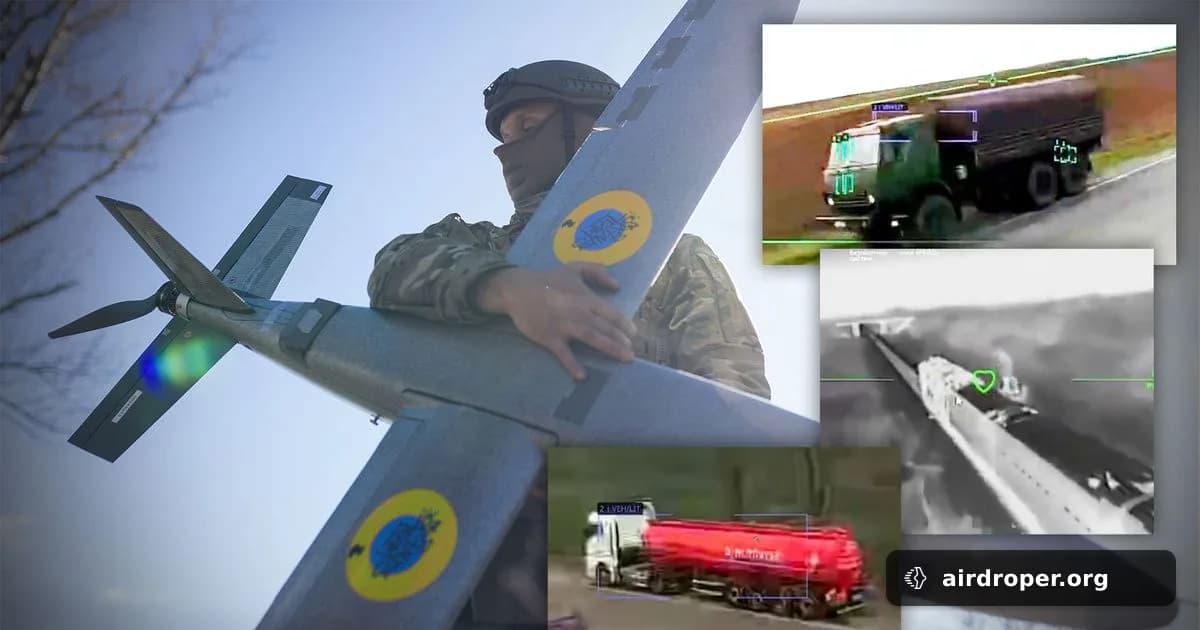
Ukraine’s drone warfare is increasingly focused not only on frontline targets, but also on the logistics systems that keep Russian forces supplied. Rail hubs, storage sites, transfer points, and other rear-area nodes are becoming a growing part of the target set because they shape how quickly fuel, ammunition, and equipment can move.
The source describes an officer connected to the so-called mid-range drone effort, offering a rare look at how these strikes are being used against Russian logistics far behind the front. The key point is not a single dramatic mission, but a sustained campaign aimed at infrastructure that supports combat operations.
Why AI matters
Artificial intelligence is becoming one of the enabling layers in this kind of mission. In practical terms, it can improve navigation, help drones cope with electronic warfare pressure, and raise the chances of reaching a target after a long flight. That is especially important when drones operate deep in rear areas, where the route is more complex and defenses are stronger.
AI does not replace the operator. Instead, it extends what the operator can do, improving efficiency and making limited platforms more useful. In a war where every sortie has to count, that matters as much as raw range.
The effect of striking logistics
Logistics attacks often do not produce immediate visible results, but they accumulate over time. If transfer points are disrupted, storage is damaged, or deliveries are delayed, the impact spreads through the supply chain. That can affect repair cycles, rotations, and the overall pace of operations.
This is why drone strikes on logistics are strategically important. They do more than destroy isolated assets; they force an opponent to defend a much larger rear area and stretch resources across more locations.
A broader shift in drone warfare
The model described in the source reflects a wider trend in modern conflict: drones are no longer limited to tactical reconnaissance or short-range strikes. With longer reach and better onboard assistance, they can become tools for sustained pressure on the enemy’s support network.
That shift changes how war is fought. Instead of chasing only high-value battlefield targets, drone campaigns can now target the systems that make the battlefield possible in the first place.
Related Posts
Comments
Sign in to leave a comment