
Ukraine’s Interceptor Drones Are Changing Air Defense
A low-cost answer to mass drone attacks
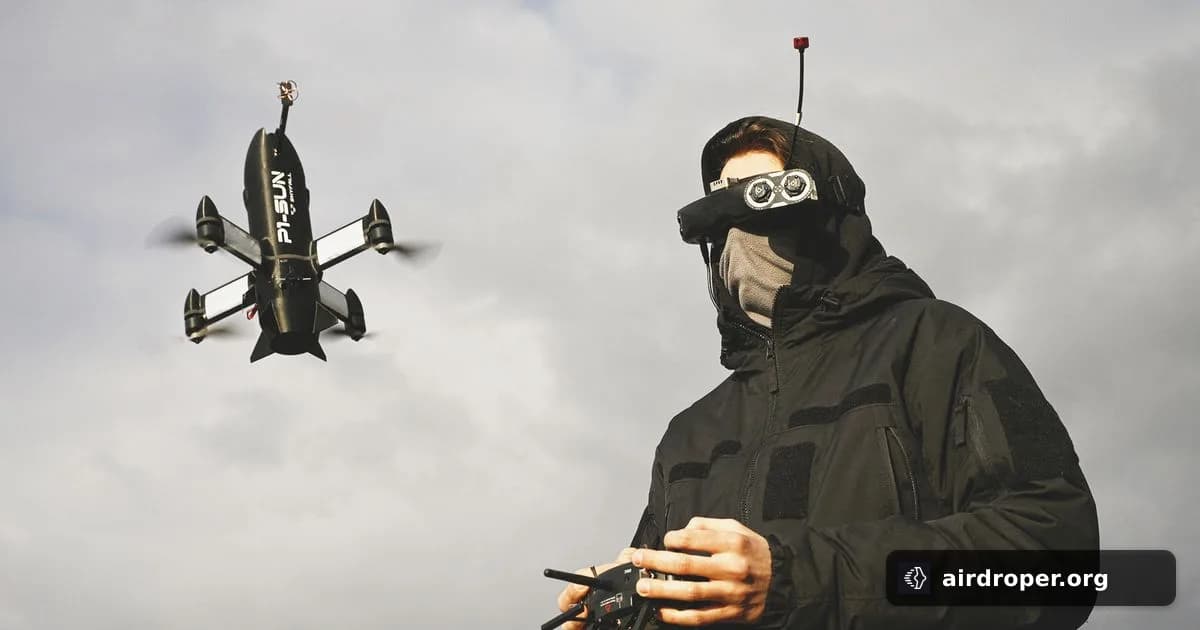
Ukraine is increasingly relying on interceptor drones to counter Russian Shahed loitering munitions. This is not just another layer of air defense; it is a practical response to a battlefield where the opponent can launch large numbers of relatively inexpensive attack drones. In that kind of war, the cost of interception matters almost as much as range or reaction time.
Why interceptors make sense
Traditional air defense remains essential, but it is not always the most economical tool against repeated drone raids. Interceptor drones offer a way to defend parts of the airspace with cheaper assets instead of spending high-value missiles on every target. For Ukraine, that matters because Shahed attacks are often designed to saturate defenses and force a drain on interceptors, radar time, and operator attention.
What this technology changes
A dedicated interceptor category is emerging: fast launch, autonomous or semi-autonomous operation, integration with surveillance and detection systems, and the ability to scale production. Scale is the key point. A system can be technically impressive, but if it cannot be manufactured and deployed in meaningful numbers, it will not solve the problem of repeated mass attacks.
Battlefield pressure is shaping development
Ukraine’s drone sector is evolving under direct combat pressure. Concepts that began as prototypes are now being refined for operational use. Interceptors are part of that shift: engineering teams are optimizing airframes and control systems for real conditions, where reliability, maintainability, and rapid deployment matter just as much as headline performance.
Why this matters for air defense
Interceptor drones will not replace conventional air defense systems, but they are becoming a useful complement to them. Combined with radar detection, mobile fire teams, and other defensive assets, they create a more flexible protection network. For Ukraine, that means a better chance of absorbing attack waves while using resources more intelligently.
Bottom line
Ukraine’s interceptor drone experience shows how quickly war accelerates innovation. When one side relies on volume, the other responds with engineering, production, and lower-cost interception. That combination is shaping the next stage of drone warfare and modern air defense.
Related Posts


Comments
Sign in to leave a comment