Why U.S. nuclear bases need DJI drones
A defensive role for a familiar drone
The U.S. Air Force is reportedly preparing to purchase several Chinese-made DJI drones for an unexpected mission: helping defend one of America’s most sensitive military sites from the very kind of drones officials have spent years warning about.
This is not about combat use. It is about counter-drone protection. On high-security installations, even a brief unidentified aircraft pass can become a serious concern — from perimeter reconnaissance to testing gaps in base security.
Why this platform still matters
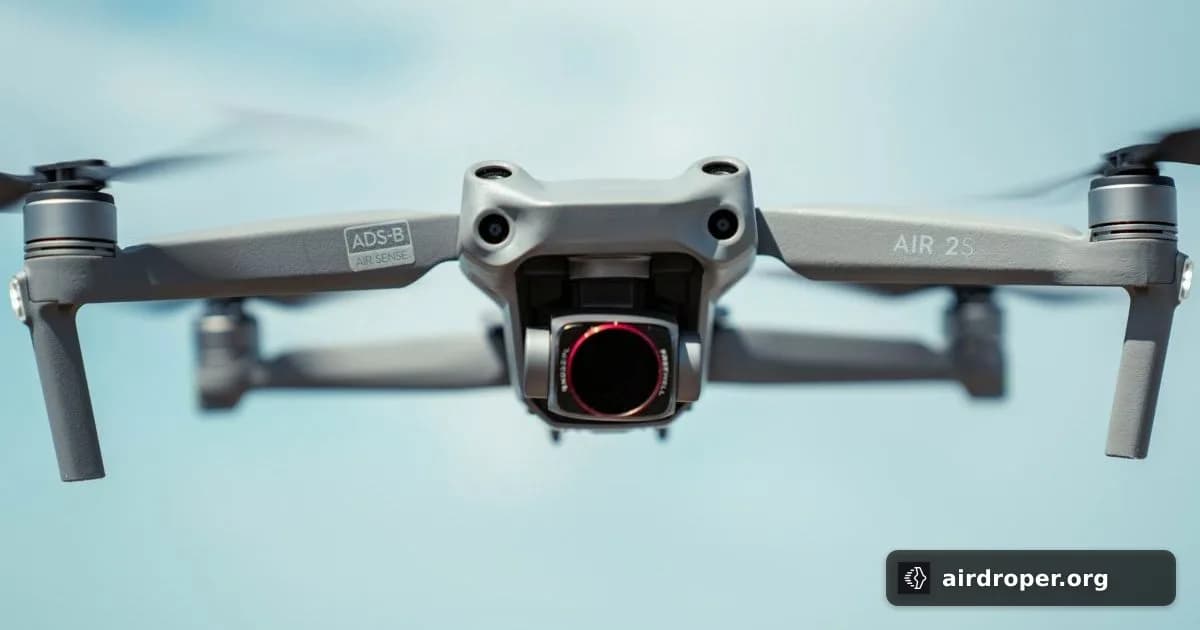
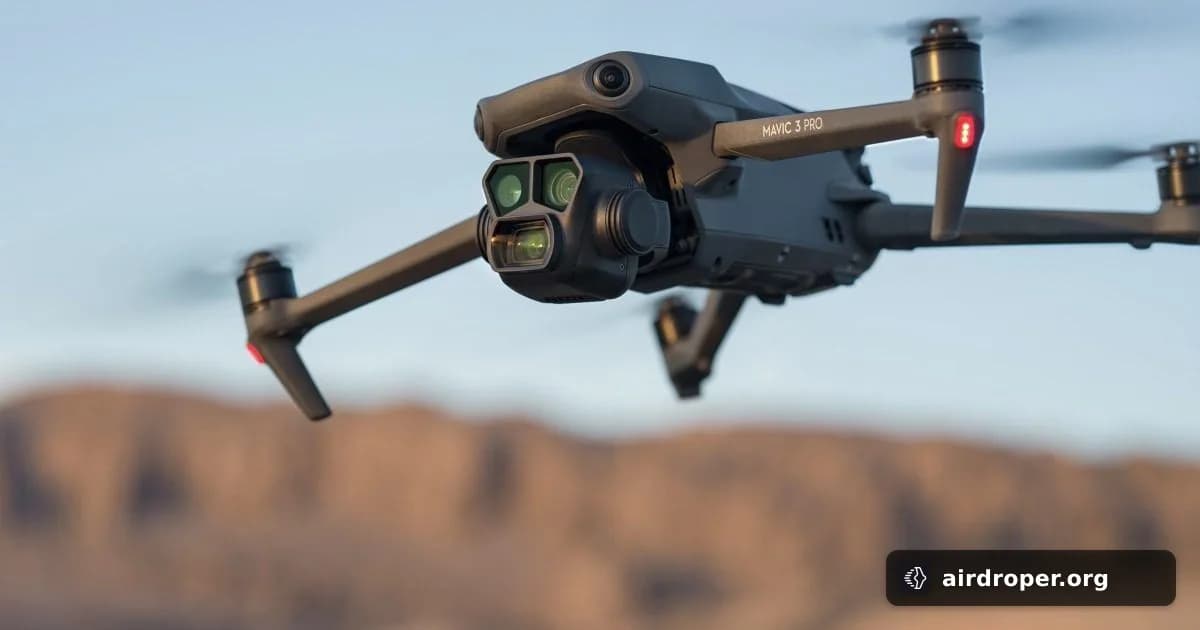
DJI drones became the default choice in much of the civilian market because they are easy to deploy, stable in flight, and capable of delivering useful video quickly. Those same traits matter in security work, where response time is often more important than technical elegance.
For a military base, a small drone can be useful when operators need to:
- inspect a perimeter quickly;
- track a suspicious aircraft;
- estimate launch direction or origin;
- capture visual evidence during an incident.
The counter-drone paradox
The situation highlights a broader shift in base security. Protecting critical infrastructure in the drone era is no longer just a matter of radar, sensors, or signal jamming. Teams also need mobile visual tools that can fill situational-awareness gaps fast.
That is why a platform surrounded by political and supply-chain concerns can still find a place in defense operations. In this case, the question is not brand loyalty — it is whether the drone solves an immediate operational problem.
What it says about the market
This move also reflects a practical reality in defense procurement: the most useful drone is not always the most politically comfortable one. When a unit needs rapid aerial observation against a small airborne threat, availability and speed can outweigh almost everything else.
For the wider market, the message is clear. Counter-drone defense is pushing militaries to rethink where small UAVs fit — not only as targets, but also as tools for monitoring, response, and verification.
Related Posts
Comments
Sign in to leave a comment