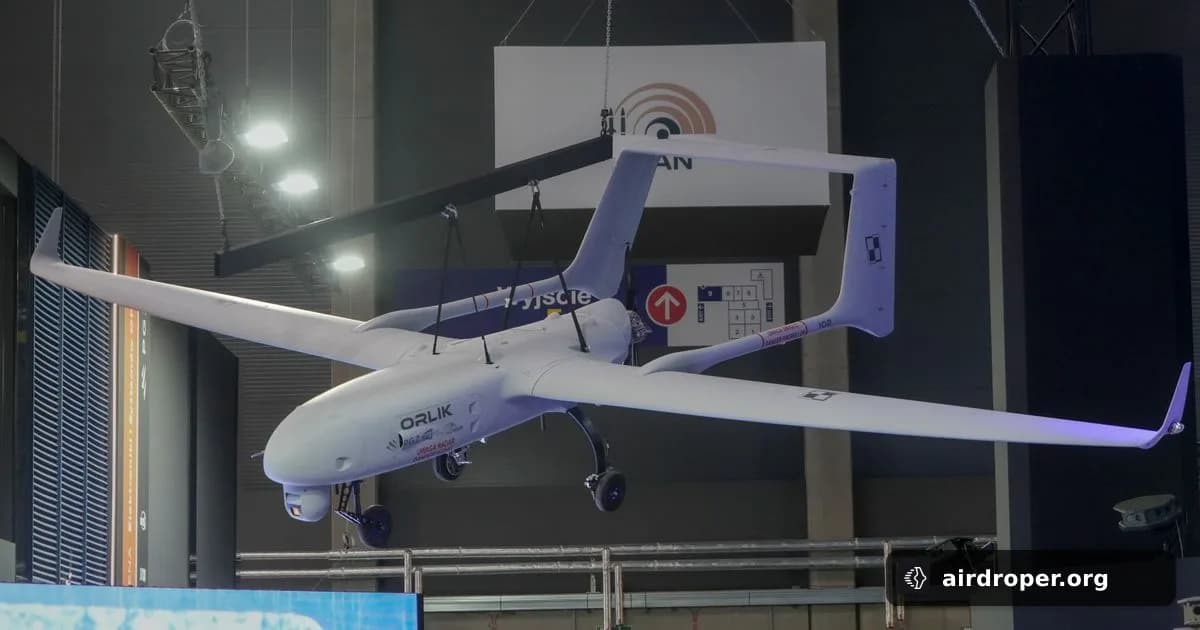
ASX-1: A UAV Platform Built for the Mission
Mission comes first
In today’s UAV market, the most valuable platforms are not always the most specialized ones — they are often the most adaptable. A system that can be configured around the task gives operators more room to respond to changing requirements, payload demands, and field conditions.
The ASX-1 reflects that direction. The core idea is straightforward: the aircraft should not force the mission to fit a rigid airframe. Instead, the platform should be designed so it can support different operational needs with less friction and fewer redesigns.
Why adaptability matters
For UAV teams, adaptability is more than a convenience. It affects how quickly a system can be prepared, how easily it can be upgraded, and how well it can support different payloads and workflows. In practical terms, that can mean:
- easier integration of sensors and mission equipment;
- better flexibility for changing operational roles;
- simpler maintenance and field handling;
- a clearer path to future expansion.
This is especially relevant when a single platform must serve multiple use cases without requiring a complete rebuild of the system.
A modular direction for UAV design
The ASX-1 also fits a broader industry shift toward modular architecture. Rather than treating the drone as a fixed product with limited variation, developers are increasingly building platforms that can evolve with the mission.
That approach makes sense in a field where requirements change quickly. Payloads, operating profiles, and integration needs are rarely static, so a platform that can be adjusted more easily is naturally more useful over time.
What this means for operators
For operators and integrators, the value of a mission-driven platform is clear: less time spent working around design limits and more time focused on the actual task. A flexible UAV architecture can reduce configuration bottlenecks and make upgrades more manageable.
That does not replace sound engineering or careful planning. But it does give teams a stronger foundation for building systems that match real-world demands rather than forcing compromises from the start.
As the market continues to mature, platforms built around mission needs are likely to become the default expectation, not the exception.
Related Posts
Comments
Sign in to leave a comment