Bali tests drone food delivery in populated areas
Bali begins food delivery drone trial
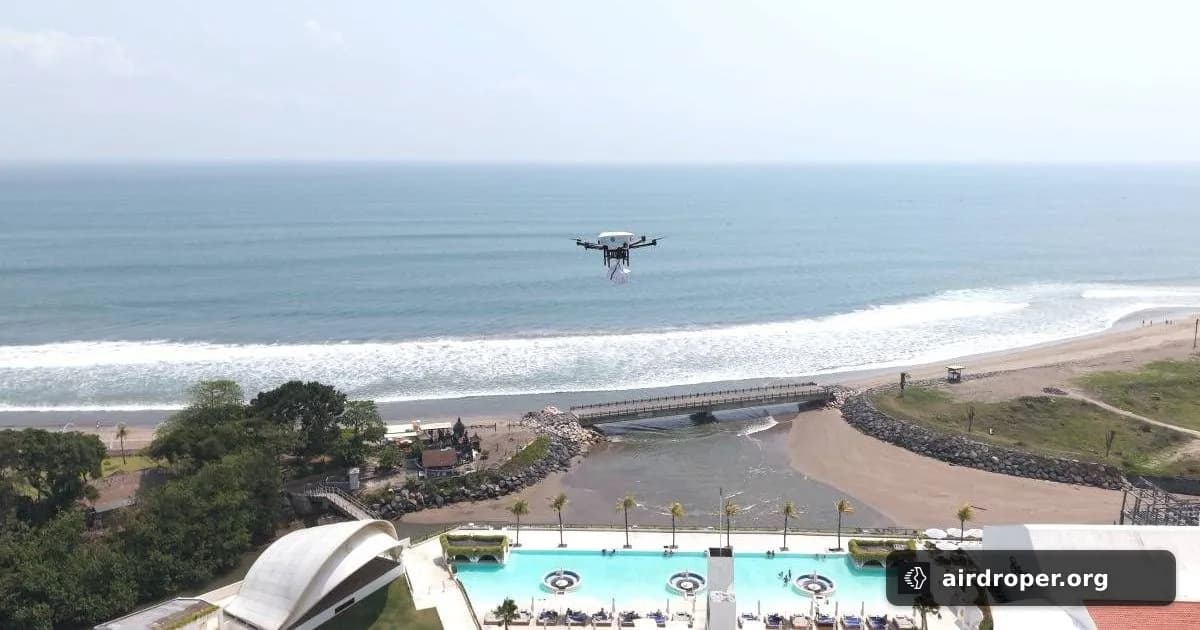
Bali has launched a small but meaningful pilot project to test whether autonomous aircraft can transport food orders between two points on the Indonesian island. The trial is focused on delivery over populated areas, which makes it a useful case study for commercial UAV operations.
The key question is not whether drones can fly from one location to another. It is whether they can do so reliably, safely, and within the constraints of a real operating environment. Once a drone moves from an open test zone into a populated setting, the requirements for navigation, route planning, and system stability become much stricter.
Why this matters
Drone delivery has long been presented as a way to speed up short-range logistics. In practice, however, the hardest part is often not the delivery itself but the airspace around it. Flights over occupied areas demand careful attention to:
- route safety;
- navigation accuracy;
- autopilot performance;
- compliance with local rules and limitations.
That is what makes the Bali trial notable. It is taking place in a setting where drone operations must be dependable enough to fit into everyday life, not just a controlled demo. For that reason, even a limited pilot can reveal a lot about how far the technology has matured.
What to watch next
Projects like this help move drone delivery from concept to practical use. They also show where the current boundaries are: payload handling, route consistency, and safe operation above populated zones.
If the trial proves workable, it could support broader discussions about how autonomous drones may eventually fit into urban and semi-urban logistics. For now, the Bali project is another sign that food delivery by drone is no longer a distant idea — it is being tested in real conditions.
Related Posts
Comments
Sign in to leave a comment