
Belgium's €50m Counter-Drone Scandal: When Emergency Procurement Goes Wrong
Counter-Drone Tech at the Centre of a Corruption Probe
Belgium is facing a fresh defence procurement scandal after a €50 million emergency purchase of counter-drone systems triggered a judicial investigation into the country's Ministry of Defence. Prosecutors are examining allegations of corruption and the circumvention of mandatory public tendering procedures.
The affair is drawing uncomfortable comparisons to the infamous Agusta-Dassault scandal of the 1990s — a landmark case involving bribes linked to military helicopter and aircraft contracts. Observers suggest the current case could ultimately surpass it in financial and political significance.
Why Emergency Procurement Is a High-Risk Zone
The Belgian case reflects a broader, systemic tension in defence procurement: urgency, large budgets, and reduced oversight rarely mix well. When governments respond quickly to a perceived security threat — such as the proliferation of commercial drones near critical infrastructure — standard competitive procedures tend to get compressed or bypassed entirely.
This is precisely what investigators appear to be probing. The question is not whether counter-drone capability is needed — it clearly is — but whether the process used to acquire it met basic standards of accountability.
The C-UAS Market: High Demand, Low Standardisation
Demand for Counter-UAS (C-UAS) systems across Europe has surged in recent years. Governments are investing in:
- radar and RF-based detection of small UAVs
- electronic warfare and signal jamming solutions
- kinetic and directed-energy interceptors
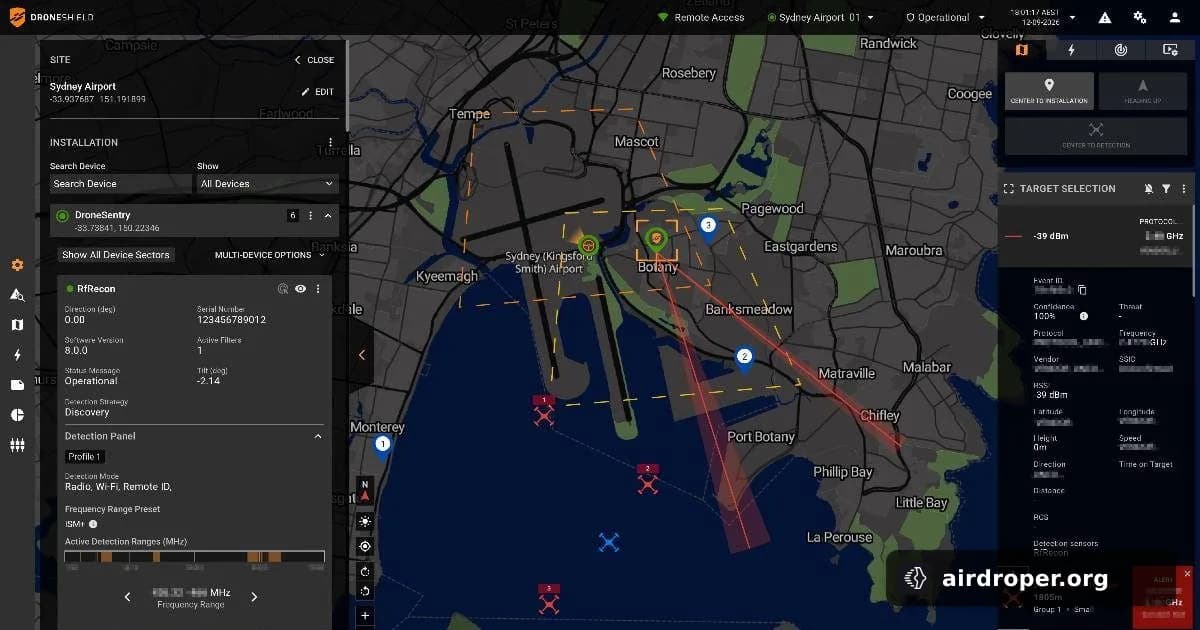
- integrated command-and-control platforms
The challenge is that the C-UAS market remains relatively immature. Performance benchmarks are still evolving, independent testing is limited, and verifying real-world effectiveness before deployment is genuinely difficult. These conditions make the sector particularly susceptible to vendor manipulation and inflated contract values.
Accountability Cannot Be an Afterthought
The Belgian situation serves as a reminder that procurement integrity is not optional — even in domains where speed genuinely matters. Bypassing tenders doesn't just invite corruption; it erodes the public trust that defence institutions depend on to function effectively.
For the broader industry, the lesson is clear: investment in counter-drone technology must be matched by institutional rigour. Technical capability and procurement transparency are not competing priorities — they are equally essential to building genuine security.
Related Posts


Comments
Sign in to leave a comment