YFQ-44 Fury: Fighter Drone Completes Contested Operations Testing
Testing Under Real-World Threat Conditions
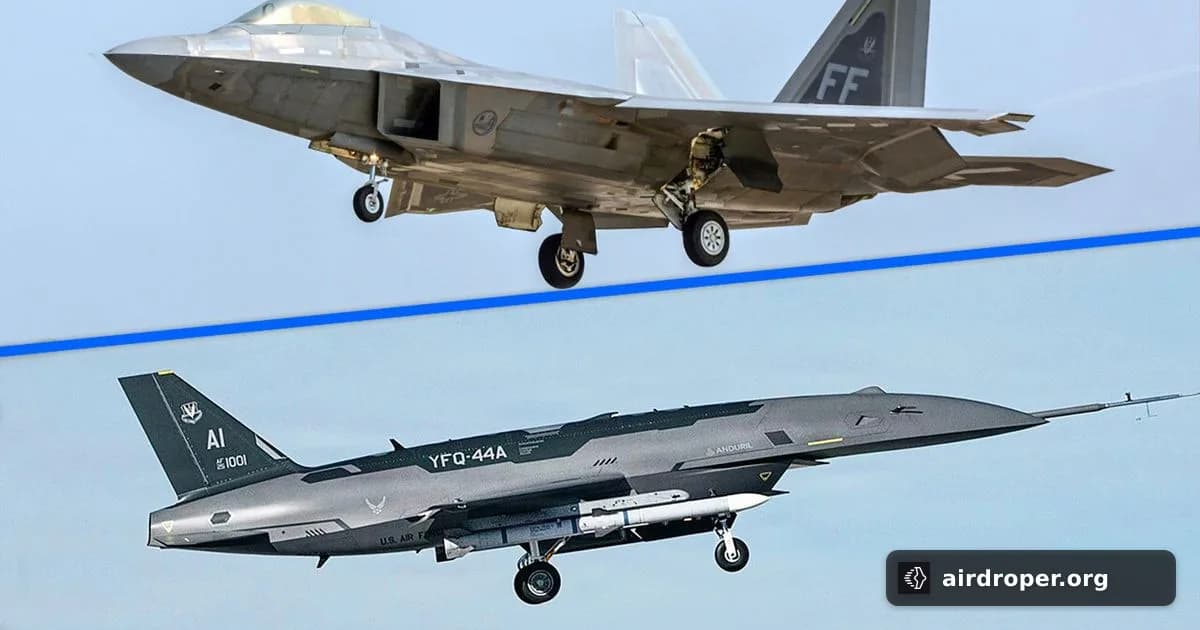
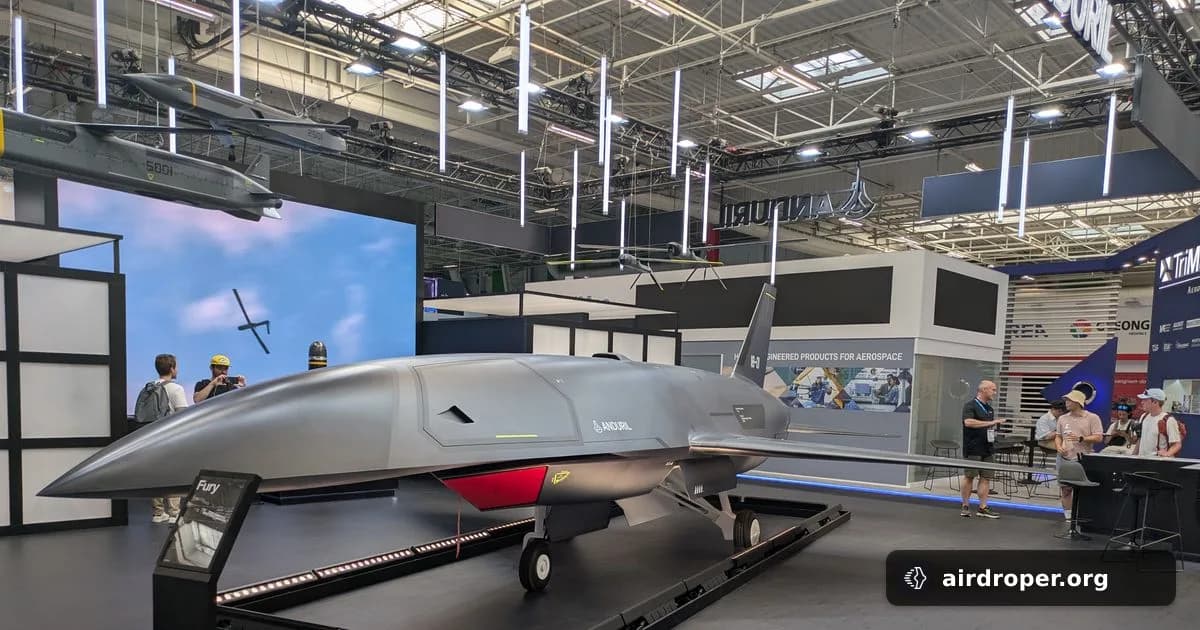
The YFQ-44 Fury, the US Air Force's unmanned fighter prototype, has completed a critical phase of flight testing conducted under contested conditions — meaning the aircraft was evaluated against electronic warfare threats and other simulated combat scenarios designed to replicate actual battlefield environments.
Successful completion of this test phase could significantly shorten the drone's path to operational fielding, sending a strong signal to the broader unmanned systems industry.
The '85 Percent Solution' Philosophy
A key idea driving the YFQ-44 program — and increasingly shaping military drone development worldwide — is what might be called the '85 percent solution' mindset: a system that is largely ready and deployable today is worth far more than a theoretically perfect system that remains perpetually on the drawing board.
This philosophy translates into concrete development priorities:
- Speed of deployment over exhaustive pre-fielding refinement
- Iterative improvement based on real operational feedback
- Operator experience driving future software and hardware updates
What Makes a 'Fighter Drone' Different
The YFQ-44 Fury falls into the emerging category of Collaborative Combat Aircraft (CCA) — autonomous wingmen designed to fly alongside manned fighters. Their role includes penetrating heavily defended airspace, drawing enemy fire, conducting reconnaissance, and executing strikes.
Unlike conventional strike UAVs, CCA-class platforms demand a significantly higher degree of autonomy, including the ability to operate effectively when communications are degraded or cut off entirely.
Implications for the UAV Industry
The Fury program is one of several indicators that leading military powers are fundamentally rethinking combat aviation. Unmanned platforms are no longer support tools — they are becoming primary combat assets.
For developers of avionics and flight control systems, this shift creates growing demand for:
- Autopilots robust enough to operate under active electronic jamming
- Modular flight controllers designed for rapid software iteration
- Secure communication architectures with resilient autonomous fallback modes
The compression of development-to-fielding timelines is becoming the new industry standard — and component manufacturers must be prepared to match that pace.
Related Posts
Comments
Sign in to leave a comment