
BVLOS Unlocked: How Satellite Connectivity Is Shaping the Future of Drone Operations
The BVLOS Challenge Is Being Solved — One Flight at a Time
Beyond Visual Line of Sight operations represent one of the most technically demanding frontiers in commercial drone deployment. Without a reliable, resilient data link between ground control and the aircraft, scaling drone operations beyond short-range tasks remains extremely difficult. A collaborative programme involving Viasat, Thales, and the European Space Agency (ESA) is working to change that.
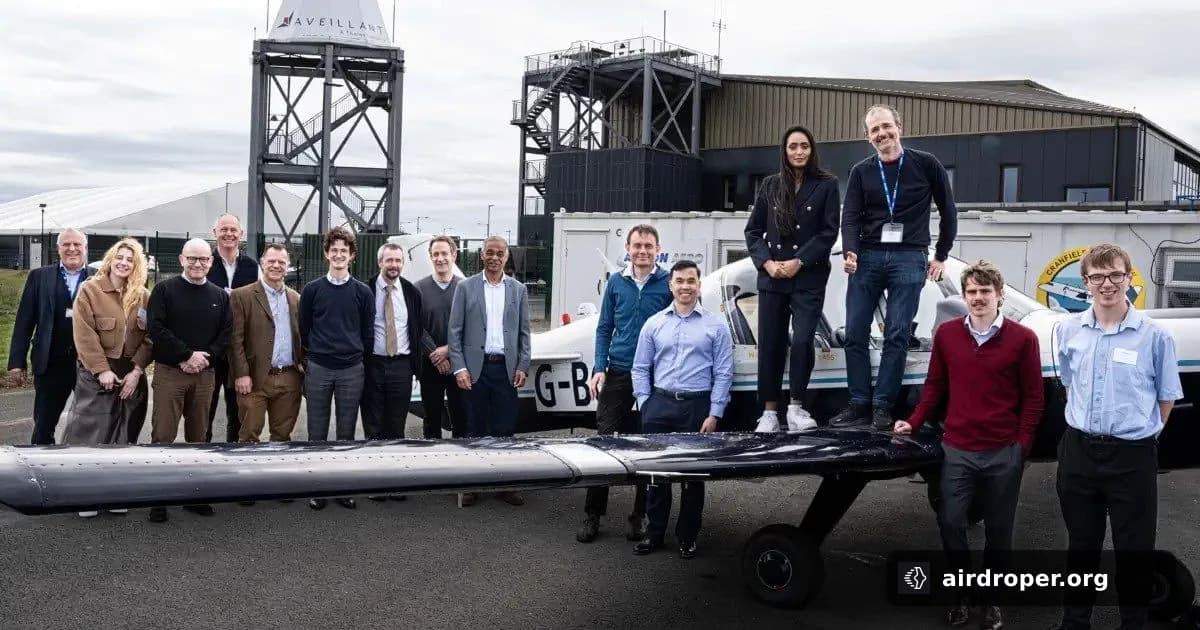
The partners recently completed a series of flight trials under the Iris RPAS programme at Cranfield University in the UK. The tests validated how combining satellite and terrestrial communication networks creates a robust command-and-control link capable of supporting safe BVLOS flights.
Why Multi-Link Connectivity Matters
Conventional drone control systems rely heavily on ground-based radio links, which have limited range and are vulnerable to interference from terrain, buildings, or other signals. A multi-link architecture addresses this by seamlessly switching between available communication channels — if the terrestrial link degrades, the system falls back on satellite connectivity, and vice versa.
For drone operators, this translates into:
- Uninterrupted command-and-control across longer distances;
- Greater system resilience against signal loss or jamming;
- The ability to plan extended missions without deploying complex ground relay infrastructure.
Building the Evidence for Regulators
One of the most significant aspects of the Cranfield trials isn't just the technology itself — it's the real-world data they generate. Aviation authorities around the world require documented evidence of how drone systems behave under realistic conditions before approving commercial BVLOS operations. Flight trials like these are a direct pathway toward that regulatory approval.
The Iris programme is specifically focused on integrating remotely piloted aircraft into shared airspace — the same airspace used by manned aviation. This demands not only reliable connectivity but also compatibility with existing air traffic management (ATM) systems.
What This Means for the Drone Industry
The successful demonstration signals that large-scale, long-range commercial drone operations are becoming technically feasible. Sectors such as logistics, infrastructure inspection, and Urban Air Mobility stand to benefit significantly once regulatory frameworks catch up with the technology.
For hardware manufacturers and system integrators, the broader message is clear: future drone platforms must be designed with hybrid communication architectures in mind, where satellite connectivity is a primary capability — not just a fallback option.
Related Posts
Comments
Sign in to leave a comment