
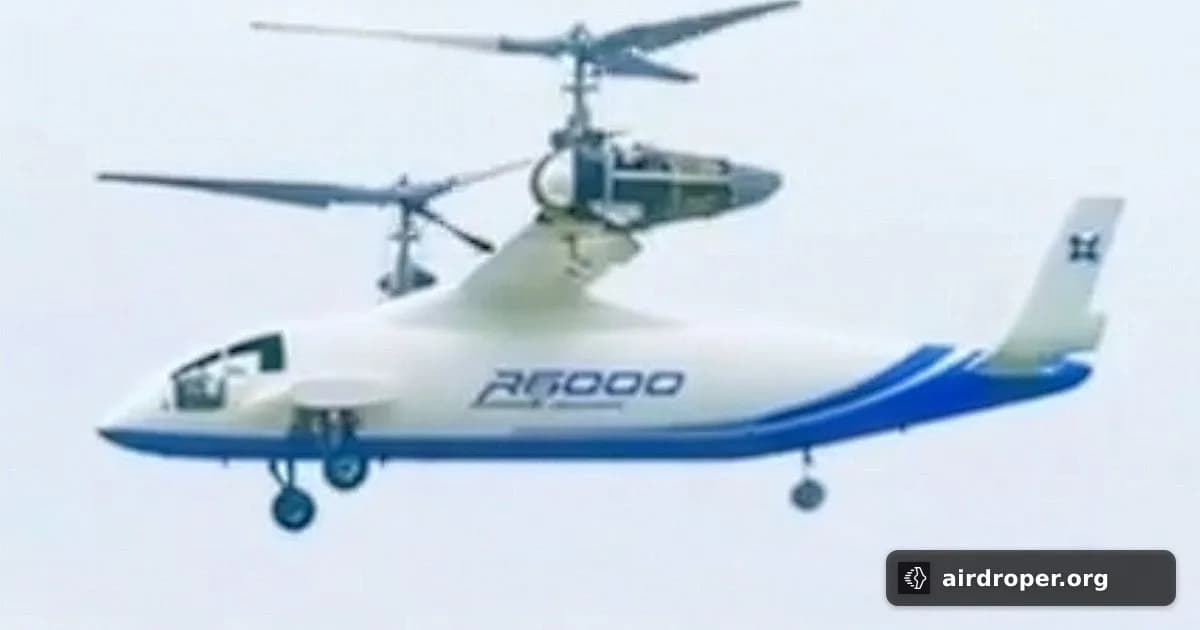
China’s R6000 Tiltrotor Drone Enters Flight Testing
China’s R6000 moves beyond hover tests
Fresh footage indicates that the large R6000 uncrewed tiltrotor has progressed from tethered hover trials to full flight testing. That shift matters because a tiltrotor is only truly tested when it can operate freely, not just hold position in a controlled hover.
Why tiltrotors draw attention
Tiltrotor aircraft combine vertical takeoff and landing with the speed and range advantages of fixed-wing flight. For unmanned systems, that opens the door to a wider set of missions, especially where a runway is unavailable or impractical.
In broad terms, platforms like this are attractive for:
- vertical takeoff and landing;
- long-range movement without a runway;
- patrol or transport roles;
- missions that require both hovering and forward flight.
The move from tethered hover testing to free flight is an important milestone. Hover trials are useful for checking basic stability, but they only tell part of the story. The real challenge starts when the aircraft has to transition between flight modes.
What this milestone suggests
The new footage suggests the R6000 program is leaving the early demonstration phase and entering a stage focused on handling, transition behavior, and overall flight control. For a large uncrewed aircraft, that is a demanding process. Designers need to manage lift, balance, and control authority as the aircraft shifts from vertical to horizontal flight.
That transition is where tiltrotors earn their reputation — or expose their weaknesses. A successful test campaign would show that the aircraft can do more than simply lift off vertically. It would indicate that the platform is becoming operationally relevant, not just visually impressive.
The bigger picture
The R6000 is a reminder that tiltrotor concepts continue to move forward in the unmanned space. The appeal is clear: fewer infrastructure constraints, more flexibility, and the ability to combine hover capability with efficient forward flight.
The key question now is not whether the aircraft can hover, but how consistently it performs across modes. If testing continues successfully, the R6000 could become another notable example of how tiltrotor design is shifting from prototype interest toward practical utility.
Related Posts


Comments
Sign in to leave a comment