
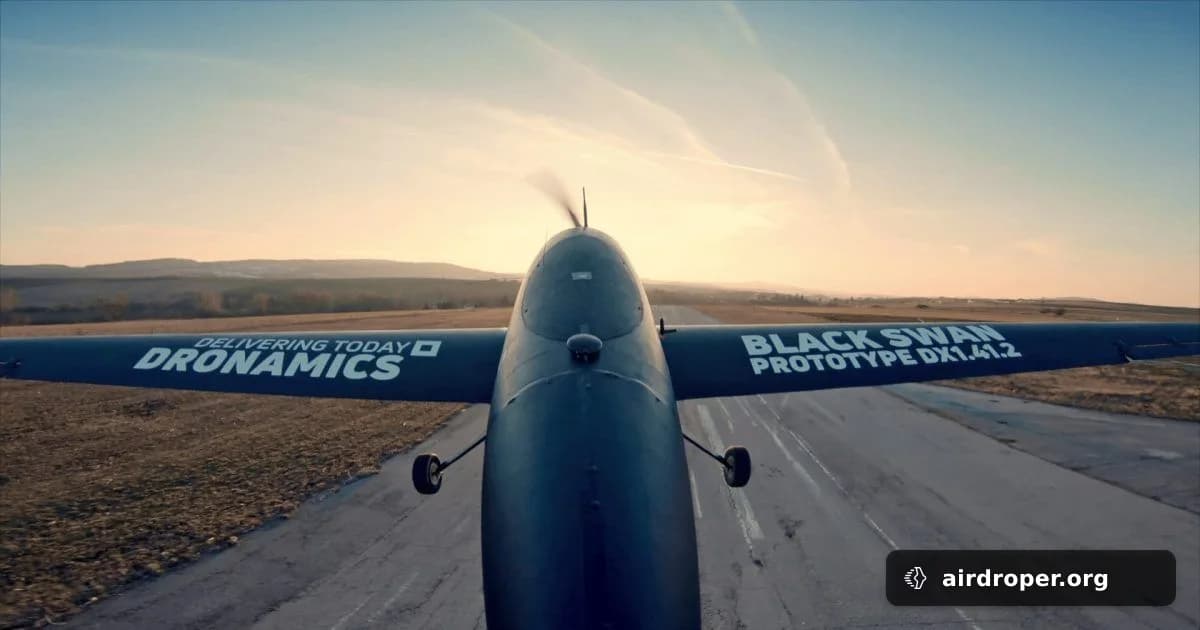
Europe prepares its skies for large drones
Large UAVs are moving into shared airspace
Europe is steadily shifting from isolated drone trials to the structured integration of large unmanned aircraft into shared airspace. That transition matters because large UAVs are no longer limited to demonstration flights or niche experiments — they are increasingly being designed for commercial and logistics use.
This shift is not only about airframes or payload capacity. It also depends on the rules that govern access to airspace, the safety procedures that support mixed traffic, and the technical systems that keep aircraft connected, tracked, and controlled. Without a reliable framework around them, even an advanced platform cannot operate consistently at scale.
What integration really requires
For large drones, predictable operating conditions are essential. That includes approved corridors, altitude limits, coordination procedures, and a clear path for operating alongside crewed aviation. In other words, integration is both a regulatory and an engineering challenge.
The practical outcome is broader mission potential, including:
- medium-range cargo transport;
- recurring commercial drone routes;
- logistics between remote sites;
- specialized missions that need greater endurance and payload.
Why the market is paying attention
As large UAVs become easier to integrate, the sector begins to move from one-off showcases to a repeatable operating model. For manufacturers, that means attention must go beyond aerodynamics and payload to include flight control reliability, communication redundancy, and compatibility with digital air-traffic services.
For operators, the main priority is trust. If large drones are to share airspace with other aircraft, they need clear technical standards and predictable procedures. That applies not just to the hardware, but also to the autopilot logic and the systems that manage flight behavior in real time.
Infrastructure will shape the next stage
Europe’s work on large-drone integration shows that the future of the sector will be defined as much by infrastructure as by aircraft design. Standards, procedures, and interoperability will determine how quickly large UAVs become a normal part of the airspace.
In the coming years, this kind of work will help build a more flexible and connected aviation logistics model — one that is increasingly autonomous, scalable, and ready for broader commercial use.
Related Posts
Comments
Sign in to leave a comment