
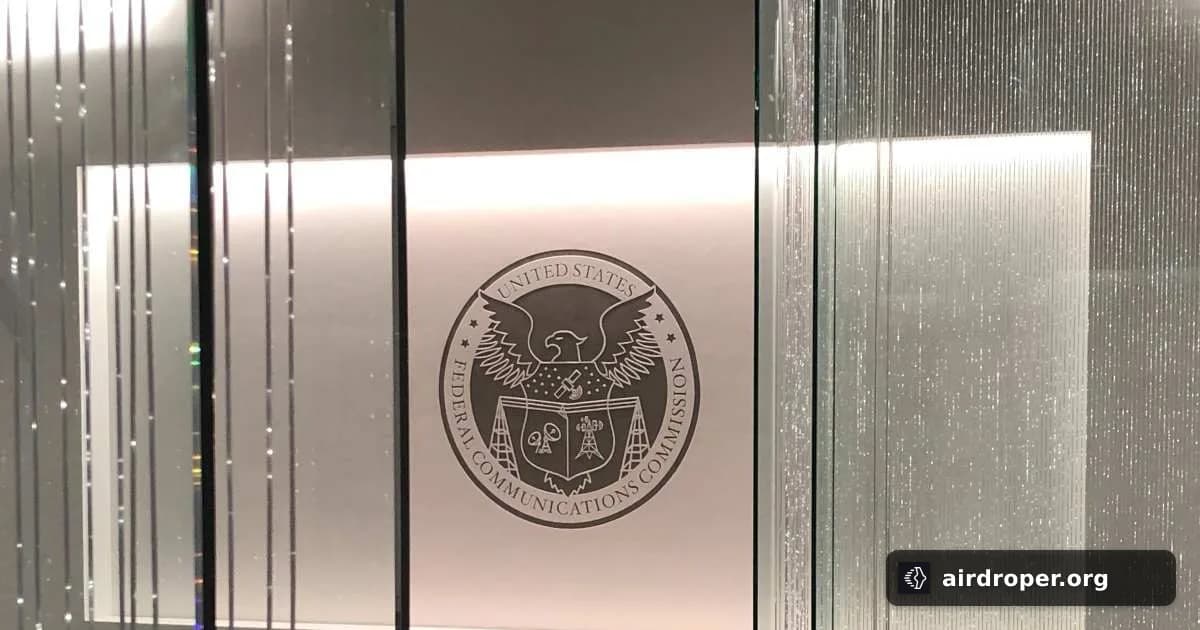
FCC Prepares New Limits on Foreign Drones
FCC Signals a Tougher Line on Drone Imports
The U.S. Federal Communications Commission is weighing its most expansive drone sales limits to date. The proposal would target the commercial import and sale of certain foreign-made drones, while at the same time giving trusted manufacturers a clearer path to keep operating in the American market.
That combination matters. It suggests the FCC is not only focused on restricting equipment it sees as risky, but also on creating more predictability for companies already considered acceptable under U.S. rules. For the drone industry, that means the regulatory environment is shifting from broad caution to more selective access.
What the Proposal Could Change
If the plan moves forward, distributors and resellers may face a more demanding review of supply chains, radio equipment, and compliance status. For manufacturers, the issue goes beyond product performance. Market access could depend just as much on regulatory standing, documentation, and how closely a platform aligns with U.S. security expectations.
That is especially relevant for commercial buyers. Procurement teams often look at price, payload, endurance, and support. Under tighter rules, they may also need to consider whether a drone can be imported, sold, and serviced without regulatory friction.
Why the Industry Is Paying Attention
A broader import and sales ban would likely reshape competition in several ways:
- higher barriers for foreign brands entering the U.S.
- more scrutiny of components and sourcing
- greater advantage for manufacturers with established compliance
- more uncertainty for commercial buyers and resellers
For integrators and operators, the message is clear: hardware specifications are no longer the only factor. Legal status, spectrum compliance, and supply-chain transparency are becoming part of the buying decision.
Selective Access Is Becoming the New Normal
The FCC’s move reflects a wider pattern in U.S. policy. Rather than treating all drones the same, regulators are increasingly separating trusted platforms from those that raise security concerns. That trend puts pressure on manufacturers to prove reliability not just in the air, but also in the paperwork, sourcing, and communications architecture behind the aircraft.
For the drone market, the next stage will depend on how far the FCC goes and how the final rules are written. But the direction is already clear: access to the U.S. market is becoming more selective, and compliance is turning into a competitive advantage.
Related Posts
Comments
Sign in to leave a comment