
Why the Navy Wants a Drone Mothership
A new kind of naval platform
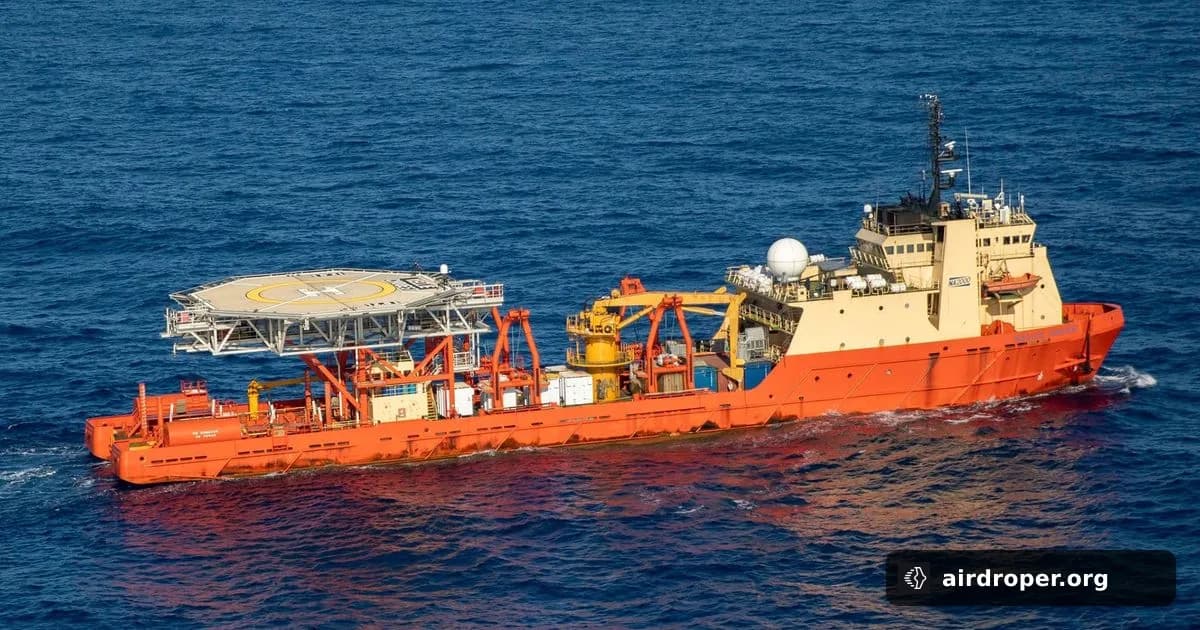
The U.S. Navy is looking at a ship that would act as a floating base for operations in the Southern Command area. The idea is not a traditional combatant, but a flexible support platform that can keep multiple systems operating at sea.
What the ship is expected to do
According to the concept, the vessel would be able to:
- launch and recover helicopters;
- operate drones;
- deploy and retrieve small boats;
- support sustained maritime operations from a sea base.
That makes the ship more than a transport asset. It becomes a mobile hub that can bring aviation, unmanned systems, and surface craft into one operational package. For the Navy, that kind of setup offers more flexibility than relying on separate platforms for each task.
Why it matters
Southern Command covers a broad maritime environment where surveillance, reconnaissance, rapid response, and coastal monitoring are all important. In that setting, systems that can stay forward-deployed without returning to shore every time are especially valuable.
A mothership concept fits that need. It allows the Navy to combine air and surface capabilities around a single platform, improving persistence and operational reach. Instead of a one-off launch point, the ship becomes an on-water base that can support repeated sorties and recoveries.
What the request signals
This request points to a broader shift in naval planning. Modern maritime operations increasingly favor integrated platforms over isolated systems, especially in coastal and expeditionary missions.
For unmanned systems developers, that is an important signal. The demand is moving toward platforms that are not just airborne or afloat, but designed to work inside a larger mission chain — with launch, recovery, servicing, and redeployment all built into the concept.
Related Posts



Comments
Sign in to leave a comment