
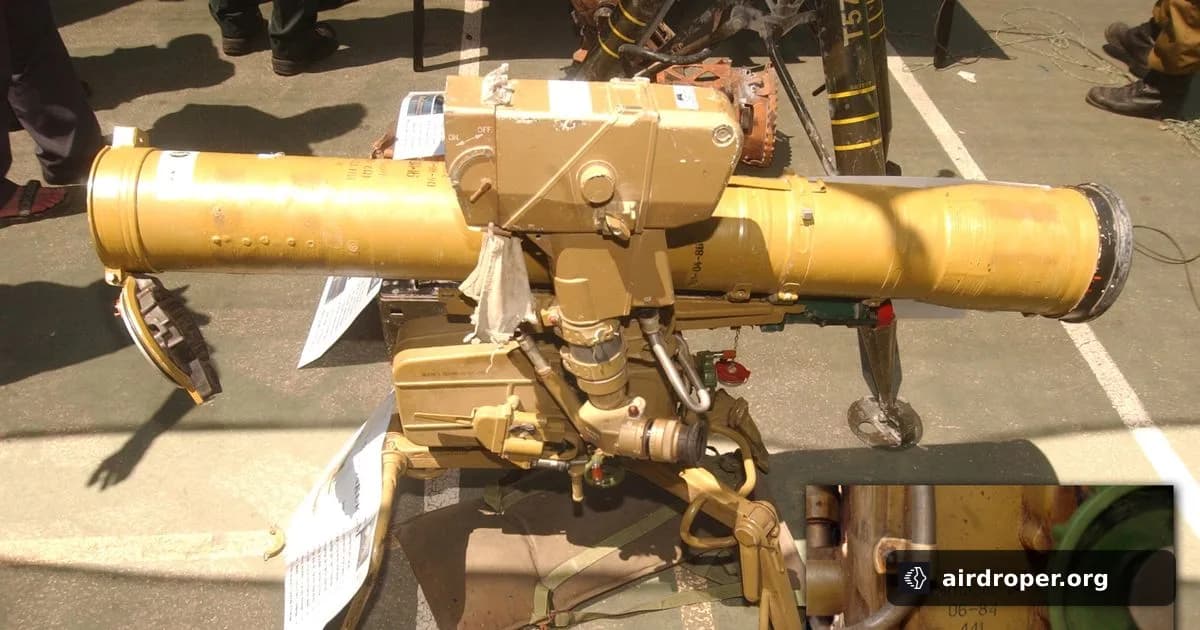
Hezbollah Drones: An Underrated Battlefield Threat
Small drones, large consequences
In modern warfare, small drones are no longer a side note. They have become a tool that can force an army to spend more, move differently, and operate under constant pressure. In the case of Hezbollah, drones appear to serve exactly that role: a relatively low-cost way to create losses, complicate defense, and keep Israeli forces on edge.
Their value is not in sophistication alone. It is in the combination of affordability, repeatability, and the difficulty of detecting them early enough. A small platform can trigger a response that is far more expensive than the drone itself. That imbalance is one reason these systems matter so much on the battlefield.
Why the threat is effective
Drones used by irregular forces can affect operations even when they do not destroy major targets. They change the daily routine of military units and force adaptation in several areas:
- routes and movement timing become less predictable;
- concealed deployment becomes harder;
- electronic warfare systems face a heavier workload;
- vehicles, command posts, and supply lines remain at risk.
Another challenge is flight profile. Small drones may appear suddenly, fly low, and operate in terrain that makes detection and interception difficult. In those conditions, reaction time becomes critical, and even a capable defense system can be tested.
Why it is easy to underestimate
Drone strikes are sometimes treated as less serious than missiles or artillery. That view misses the larger picture. Even if each individual attack is limited, a steady stream of drone activity can wear down defenses, consume interceptors, and create psychological pressure on troops.
This is why counter-drone defense cannot rely on a single layer. Early warning, electronic suppression, kinetic interception, and fallback procedures all need to work together. A small drone may be inexpensive, but defending against it is rarely simple.
Bottom line
The Hezbollah drone threat highlights a broader trend: low-cost UAVs can have an outsized impact when used repeatedly and intelligently. For modern armies, the lesson is clear. Small drones should not be treated as a secondary concern, because on the battlefield they can produce persistent and costly pressure far beyond their size.
Related Posts


Comments
Sign in to leave a comment