
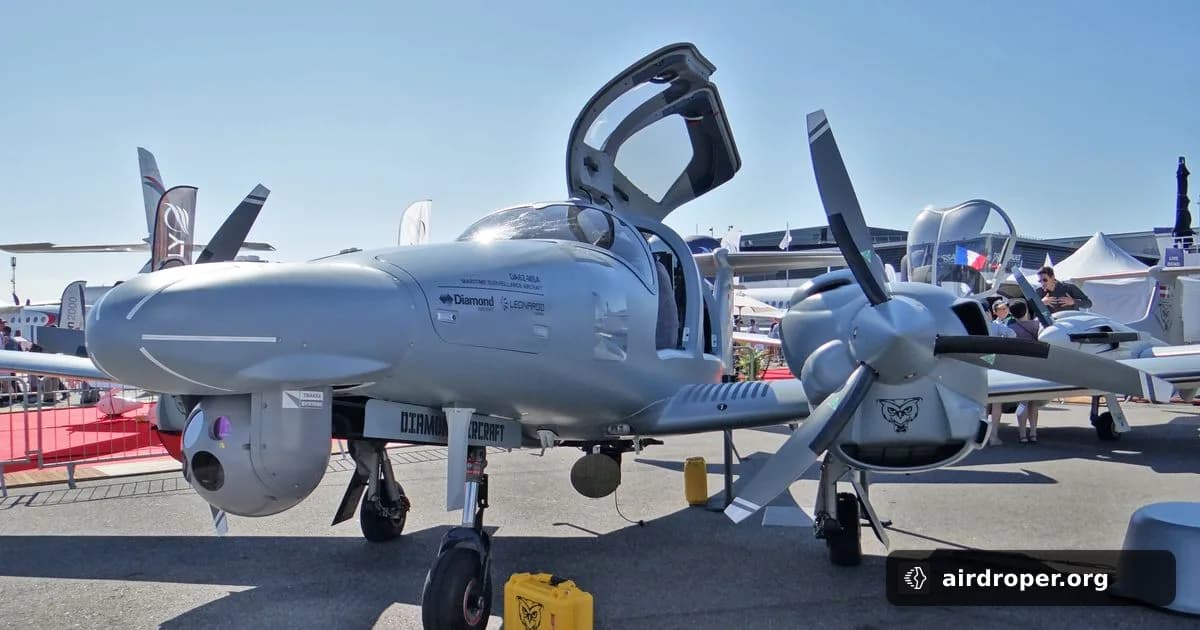
How Public Agencies Can Build a Drone Program
Building a drone program is an operations task, not just a hardware purchase
As drones become more common in government work, agencies are discovering that the hardest part is not choosing an aircraft. It is building a program that can be used consistently, legally, and with public trust.
That is the value behind updated policy templates such as the Oregon Public Agency UAS Operations and Policy Manual: they help agencies turn a drone idea into an operational framework.
Start with purpose and rules
Any public agency planning to use UAS should define the basics first:
- mission scope — what tasks the drone program is allowed to support;
- operational rules — who can fly, when missions are allowed, and under what conditions;
- legal compliance — especially around safety, privacy, and airspace use;
- transparency — clear internal procedures and public-facing accountability;
- training — standardized instruction for every operator.
Without these elements, drone adoption often becomes uneven: one team uses the aircraft one way, another team uses it differently, and leadership has little visibility into the program.
Why structure matters more than fleet size
Public agencies often begin with a specific use case, such as infrastructure inspection or emergency response. That can work well, but only if the agency also defines the operating model.
For public works, drones may support bridge surveys, road checks, or utility inspections. For public safety, they may assist incident assessment, search operations, or scene awareness. Each of those applications carries different rules, approvals, and risk levels.
A policy manual creates the framework that keeps those missions aligned with the agency’s responsibilities.
What a mature program delivers
A well-designed UAS program gives agencies practical advantages:
- Lower compliance risk — documented procedures make it easier to stay within policy and law.
- Faster deployment — teams can launch missions without improvising every step.
- Better public confidence — transparency helps explain how and why drones are used.
- Easier expansion — new missions can be added without rebuilding the program from scratch.
Bottom line
For public agencies, a drone program is not just a procurement decision. It is a governance decision. Updated manuals and templates give teams a starting point for building something safer, more consistent, and easier to explain to stakeholders — whether the mission is public works or public safety.
Related Posts


Comments
Sign in to leave a comment