
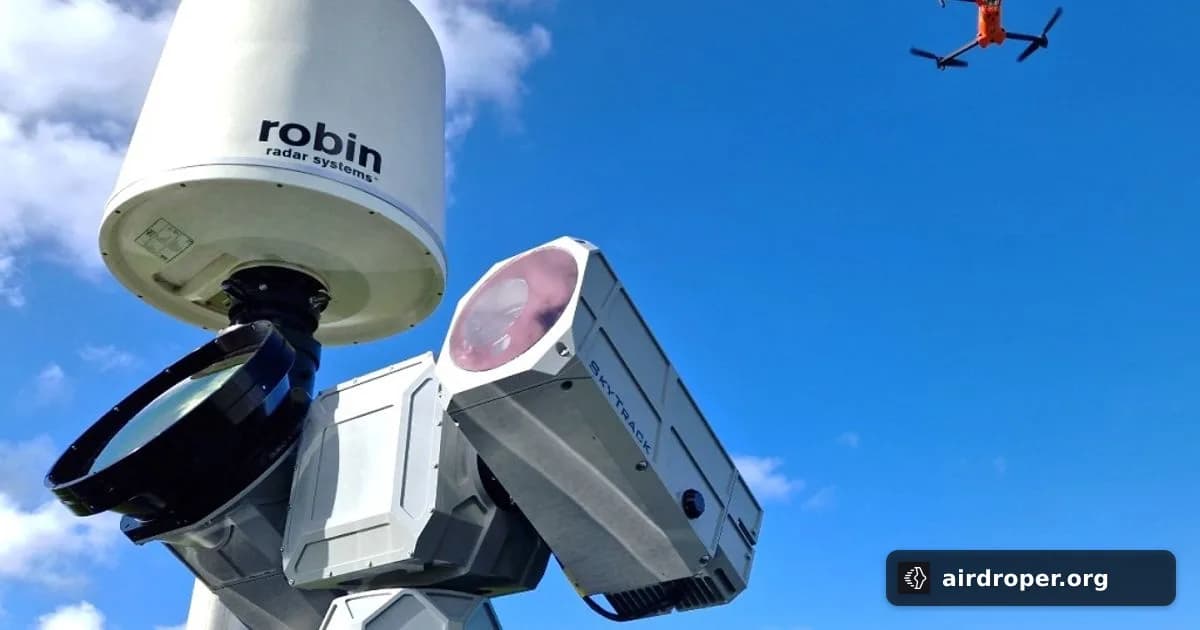
IRIS Drone Detection Radars Reach the Gulf Region
Why drone-detection radar matters
Drone detection has moved far beyond a niche topic. As more countries and operators look for ways to protect airspace and sensitive sites, radar-based sensing has become a practical part of modern security planning. The delivery of IRIS drone detection radars to the Gulf region is another sign that demand for these systems is spreading well beyond their original markets.
IRIS belongs to the category of radars designed specifically to detect drones. In most real-world deployments, these radars are not used alone. They work alongside other sensors to improve awareness of small, low-flying targets that can be difficult to track in busy airspace. For security teams, that means more time to assess a threat and respond appropriately.
What this delivery tells us
The accelerated delivery into the Gulf region points to several broader trends:
- stronger demand for anti-drone tools around infrastructure, industrial sites, and security-sensitive areas;
- a shift toward layered detection, where radar is combined with optical and other sensing systems;
- interest in compact systems that can operate in complex, high-traffic environments.
This is another example of how drone detection is becoming part of everyday security infrastructure rather than a test project. Buyers are no longer focused only on whether a system can see a drone. They also want reliability, fast deployment, and integration with existing security workflows.
Why the market should pay attention
A single delivery does not redefine the industry, but it does highlight where the market is headed. Counter-drone systems are increasingly viewed as standard equipment for critical infrastructure protection, and radar makers are competing not just on range or precision, but on usability, integration, and deployment speed.
For UAV developers, this trend is equally important. As radar detection becomes more common, stealth characteristics, flight planning, and multi-layer system design matter more than ever.
Related Posts

Comments
Sign in to leave a comment