
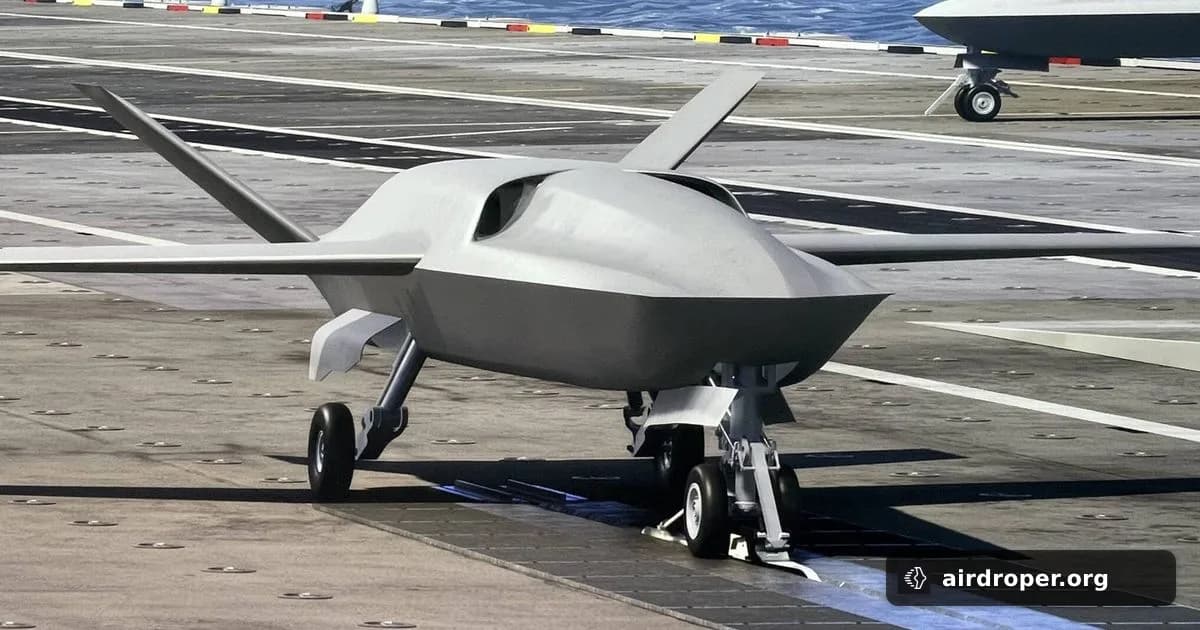
Navy Targets 1,000-Mile Radius for Carrier Drones
A First Look at the Navy’s Drone Ambition
The U.S. Navy has taken an important step toward defining what it wants from its future carrier-based tactical drones. The headline requirement is a 1,000-mile combat radius for aircraft that will operate from carriers.
That figure matters because range is not just a technical detail. For naval aviation, it shapes how far a carrier strike group can project power while staying outside unacceptable risk. A drone with that kind of reach could take on missions that once depended more heavily on crewed aircraft or forward operating locations.
Why the Range Requirement Matters
For carrier aviation, a range target often reveals how the service expects a system to be used. In the case of tactical UAVs, a 1,000-mile radius suggests several possibilities:
- operating at long distance from the carrier;
- expanding reconnaissance and surveillance coverage;
- supporting strike or escort-type missions;
- reducing reliance on manned aircraft in contested airspace.
Reaching that distance is not simple. Designers have to balance fuel load, payload capacity, aerodynamics, communications, and resilience against electronic warfare. On a carrier-capable platform, those challenges are even tougher because launch and recovery impose strict size and weight limits.
What This Suggests About Future Programs
The requirement is still only an early indicator, but it shows where the Navy’s thinking is headed. Carrier drones are being treated less as niche support tools and more as a distinct aviation category built for maritime operations.
That points toward mixed air wings where crewed aircraft and drones each handle different parts of the mission. For the military, that means more flexibility. For industry, it means higher demands on autonomy, onboard electronics, and control systems.
What to Watch Next
The key question is whether this range target becomes a formal technical baseline for contractors or remains an early planning marker. If it does turn into a program requirement, range will likely shape everything from airframe design to onboard system architecture.
For the broader market, it is another sign that demand for naval UAVs is moving beyond surveillance and toward longer-range, more autonomous platforms.
Related Posts


Comments
Sign in to leave a comment