
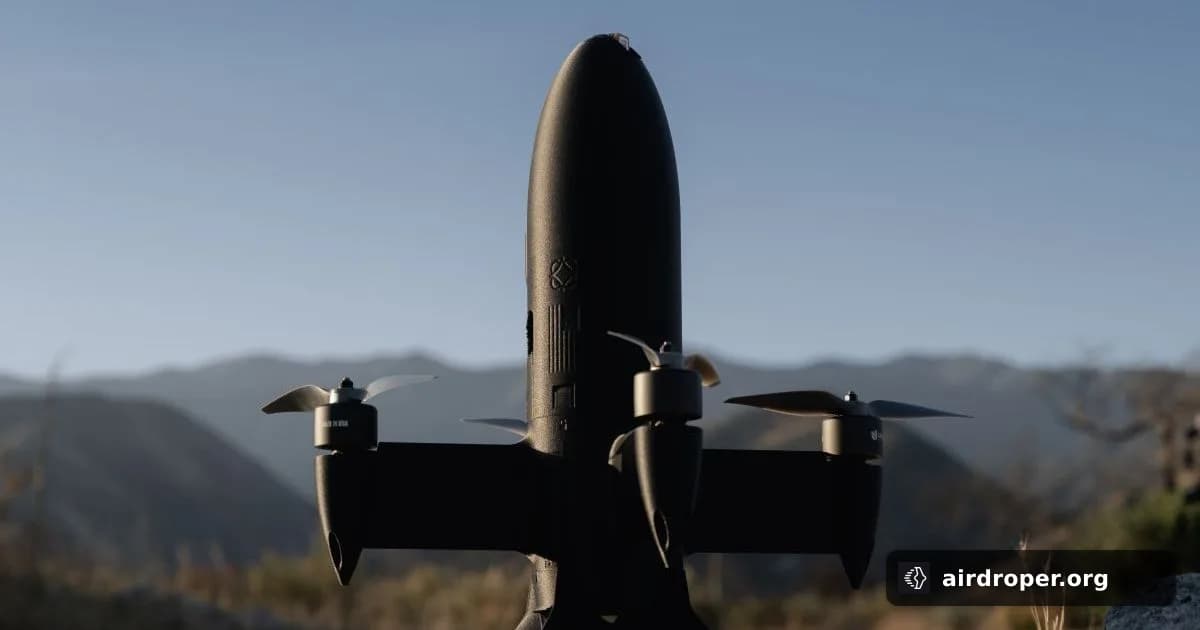
Powerus unveils the autonomous Guardian-3 interceptor
A new step in autonomous counter-drone defense
Powerus has introduced Guardian-3, a new interceptor described as a fully autonomous system for countering unmanned aircraft. The launch reflects a broader shift in the counter-drone market, where the priority is moving from manual response toward systems that can detect and react with minimal human input.
Why autonomy matters
In counter-UAS operations, autonomy usually means the system can identify a target, assess the situation, and execute an interception workflow without an operator controlling every step. That matters when response time is measured in seconds.
Guardian-3 appears to follow that model. A platform built for autonomous operation can be especially useful around critical infrastructure, military sites, and other locations that require constant protection.
Why the market is heading this way
Counter-drone technology has been evolving quickly as UAVs become more accessible, faster, and harder to track. In many scenarios, the window to respond is shrinking, and human-operated tools alone may not be enough.
That is one reason autonomous interceptors are gaining attention. They promise faster reaction and more consistent coverage, particularly in environments where threats may appear suddenly or in numbers. At the same time, they place higher demands on sensors, software, and decision-making reliability.
What Guardian-3 signals for the industry
Guardian-3 is another sign that counter-drone solutions are moving toward products built around automatic detection and neutralization rather than optional automation add-ons. For developers, that raises the bar for integration, accuracy, and system resilience.
For customers, the requirement is straightforward: they need tools that can operate reliably under time pressure, in complex environments, and when the cost of a missed interception is high. That is why autonomous interceptors are increasingly becoming part of layered short-range air defense and perimeter security architectures.
Related Posts

Comments
Sign in to leave a comment