
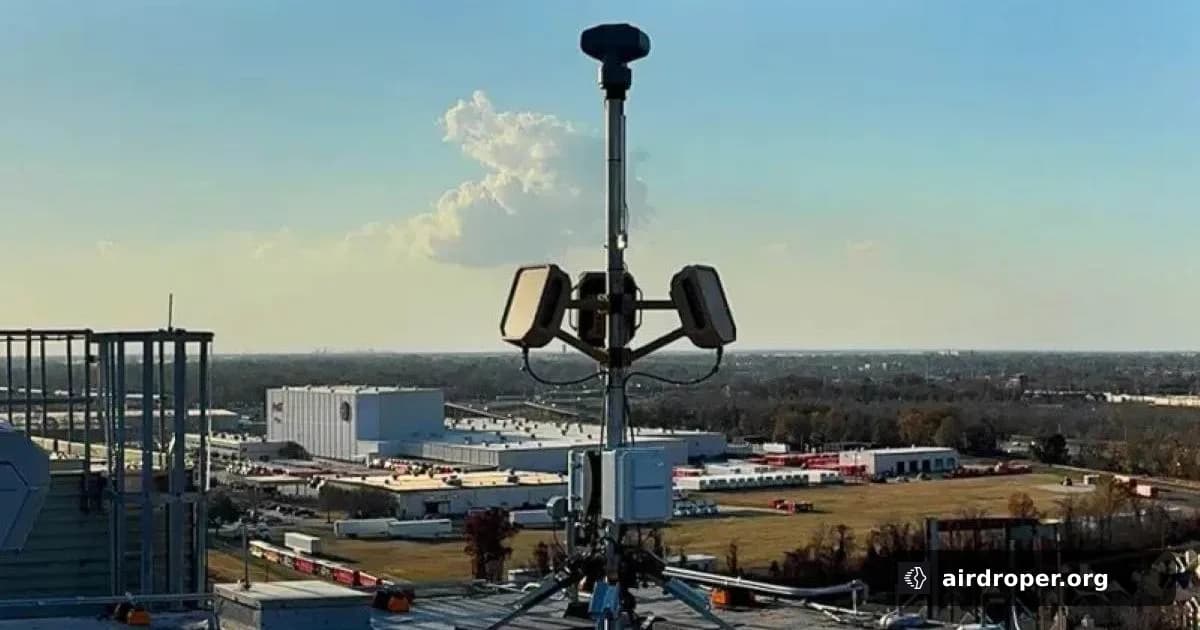
Radar Tech Could Speed Up Police Drone Programs
Police drone programs are moving into a busier sky
Across the United States, law enforcement agencies are expanding drone use for patrol, emergency response, and incident support. As these programs grow, one problem is becoming harder to ignore: the low-altitude airspace above cities and critical sites is getting crowded.
That matters because police drones no longer operate alone. In the same area, agencies may need to account for authorized public-safety aircraft, temporary emergency-response flights, and other unmanned aircraft that may not belong there at all. For operators, the challenge is shifting from simply launching a drone to understanding everything moving overhead.
Why radar is entering the conversation
Drone programs for police have traditionally focused on speed, live video, and operational flexibility. Those capabilities remain important, but they are not enough when the mission also depends on awareness of nearby air activity. Radar is gaining attention because it can add a layer of detection that helps identify aerial objects beyond what the pilot can directly observe.
That is especially relevant near sensitive locations, major events, and emergency scenes where a single unexpected aircraft can complicate operations. Better airspace visibility can help agencies make faster decisions and reduce the chance of conflict between drones and other airborne traffic.
More than a drone, it is an operating system
The bigger takeaway is that public-safety drone programs are evolving into broader systems. Success is no longer just about the aircraft itself. It also depends on the tools around it: sensing, monitoring, communication, and coordination.
For agencies, that means future deployments will likely combine drones with airspace awareness tools and other infrastructure designed to support safer operations at scale. For the market, it signals demand for integrated solutions rather than standalone platforms.
What comes next
Police drone programs are clearly moving beyond pilot projects. The next phase will be about safe expansion in more complex airspace, where visibility is as important as speed.
Radar will not solve every challenge, but it may become a practical building block for agencies that want to scale drone operations without losing control of the sky around them.
Related Posts
Comments
Sign in to leave a comment